
Showing the single result
-
-24%IN STOCK
 IN STOCK
Jacks and Jack Stands, Auto Parts, Tools and Equipment
Original price was: 249,99 €.189,99 €Current price is: 189,99 €. Add to basket
Showing the single result
Essential Lifting Equipment for Every Vehicle Owner
Every driver in Cyprus should have access to quality lifting equipment. Whether you’re dealing with a flat tire on the Nicosia-Limassol highway or performing regular maintenance at home, jacks and jack stands provide the stability and height needed to work safely under your vehicle. From compact emergency jacks that fit in your boot to heavy-duty hydraulic models for your garage, choosing the right equipment depends on your specific needs and vehicle type.
Types of Jacks: Finding Your Perfect Match
Hydraulic Floor Jacks
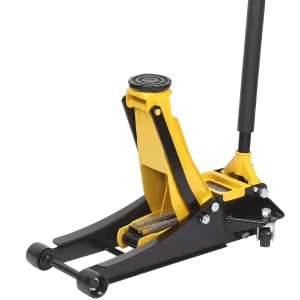
Hydraulic floor jacks are the professional’s choice for garage work. These robust units feature a long handle and wheeled base, making it easy to position them precisely under your vehicle’s jacking points. With lifting capacities typically ranging from 2 to 4 tons, they handle most passenger vehicles, SUVs, and light commercial vehicles common on Cyprus roads. The hydraulic mechanism provides smooth, controlled lifting with minimal physical effort.
Bottle Jacks
Compact and powerful, bottle jacks are ideal for tight spaces and emergency situations. Their vertical design offers impressive lifting capacity in a small footprint, making them perfect for keeping in your vehicle for roadside emergencies. While they require a flat, stable surface to operate safely, their portability and strength make them invaluable for Cyprus drivers who frequently travel between cities or into mountainous areas.
Scissor Jacks
Most vehicles come equipped with a basic scissor jack for emergency tire changes. These mechanical jacks use a simple screw mechanism and are lightweight enough to store permanently in your car. While they’re not suitable for extended maintenance work, they’re perfectly adequate for quick roadside tire changes, especially when paired with proper jack stands for added safety.
Why Jack Stands Are Non-Negotiable
Never work under a vehicle supported only by a jack. Hydraulic jacks can fail, and mechanical jacks can slip. Jack stands provide redundant safety support, distributing weight across a stable base. Always use jack stands rated for your vehicle’s weight, position them at designated support points, and ensure they’re on level ground before sliding underneath your car.
Quality jack stands feature wide bases, adjustable heights, and secure locking mechanisms. Look for pairs or sets of four, as many repairs require lifting the entire front or rear end of your vehicle.
Choosing the Right Equipment for Your Needs
Consider Your Vehicle Type
Sedans and hatchbacks typically require 2-ton capacity equipment, while SUVs and vans need 3-ton or higher ratings. Check your vehicle’s manual for the exact weight and recommended jacking points. If you own multiple vehicles or plan to work on friends’ cars, invest in equipment with higher capacity for versatility.
Assess Your Usage Pattern
For occasional tire changes, a bottle jack and pair of jack stands suffice. Regular DIY mechanics benefit from a quality hydraulic floor jack with a matching set of four jack stands. Professional mechanics or enthusiasts working on multiple vehicles should consider heavy-duty professional-grade equipment with extended warranties.
Height Requirements Matter
Low-profile jacks are essential for sports cars and lowered vehicles common among Cyprus car enthusiasts. Standard height jacks work for most vehicles, while SUVs and trucks may require high-lift jacks to achieve adequate working clearance. Adjustable jack stands should offer a height range matching your typical tasks.
Safety Guidelines for Proper Use
Always work on level, solid ground. The island’s varied terrain means you might need to find appropriate surfaces or use wheel chocks. Engage the parking brake, place the transmission in park (or first gear for manuals), and position jack stands at manufacturer-specified points. Never rush the process, and always test stability by gently rocking the vehicle before working underneath.
Inspect your equipment regularly for hydraulic leaks, rust, bent components, or worn locking mechanisms. Cyprus’s coastal humidity can accelerate corrosion, so store your equipment in a dry location and consider protective coatings for long-term reliability.
Maintenance and Care Tips
Keep hydraulic jacks properly filled with hydraulic oil and bleed air from the system periodically. Clean and lubricate moving parts to ensure smooth operation. Store jacks in the lowered position to reduce stress on seals and pistons. Jack stands require minimal maintenance but benefit from occasional cleaning and inspection of locking pins and adjustment mechanisms.
Frequently Asked Questions
What weight capacity jack do I need for my car?
Check your vehicle’s manual for the gross weight, then choose a jack rated at least 50% higher. For most passenger cars in Cyprus, a 2-ton jack works well, while SUVs require 3-ton capacity or more.
Can I use just a jack without jack stands?
Never work under a vehicle supported only by a jack. Jacks are for lifting; jack stands are for supporting. Always use both for any work that requires going underneath your vehicle.
How do I know where to place the jack under my car?
Your vehicle’s owner manual shows designated jacking points, typically reinforced areas on the frame or subframe. Look for notches, markings, or reinforced sections along the vehicle’s underside near each wheel.
What’s the difference between a floor jack and a bottle jack?
Floor jacks have a horizontal design with wheels, making them easier to position and ideal for garage use. Bottle jacks have a vertical design, are more compact, and work better for emergency roadside situations or tight spaces.
How often should I inspect my jacks and jack stands?
Inspect before each use for visible damage, leaks, or rust. Perform thorough maintenance every six months, including checking hydraulic fluid levels, testing locking mechanisms, and ensuring all moving parts operate smoothly.
Are low-profile jacks necessary?
If you own a sports car, lowered vehicle, or any car with minimal ground clearance, a low-profile jack is essential. Standard jacks won’t fit under these vehicles without first driving onto ramps or boards.
Can I lift my entire car with one jack?
Single jacks lift one corner or one end of a vehicle. To lift the entire front or rear, use the appropriate central jacking point if available, then immediately support with jack stands on both sides before working underneath.
What maintenance do hydraulic jacks need?
Check and top up hydraulic fluid regularly, bleed air from the system if lifting becomes inconsistent, keep the jack clean, and store it in the lowered position. Lubricate pivot points and wheels periodically for smooth operation.