
Showing the single result
-
-50%IN STOCK
 IN STOCK
Tools & Home Improvement, Grinders, Power & Hand Tools, Power Tools
Original price was: 139,99 €.69,99 €Current price is: 69,99 €. Add to basket
Showing the single result
Angle Grinders and Bench Grinders for Cutting, Grinding, and Surface Preparation in Cyprus
Angle Grinders: One Tool, Many Applications
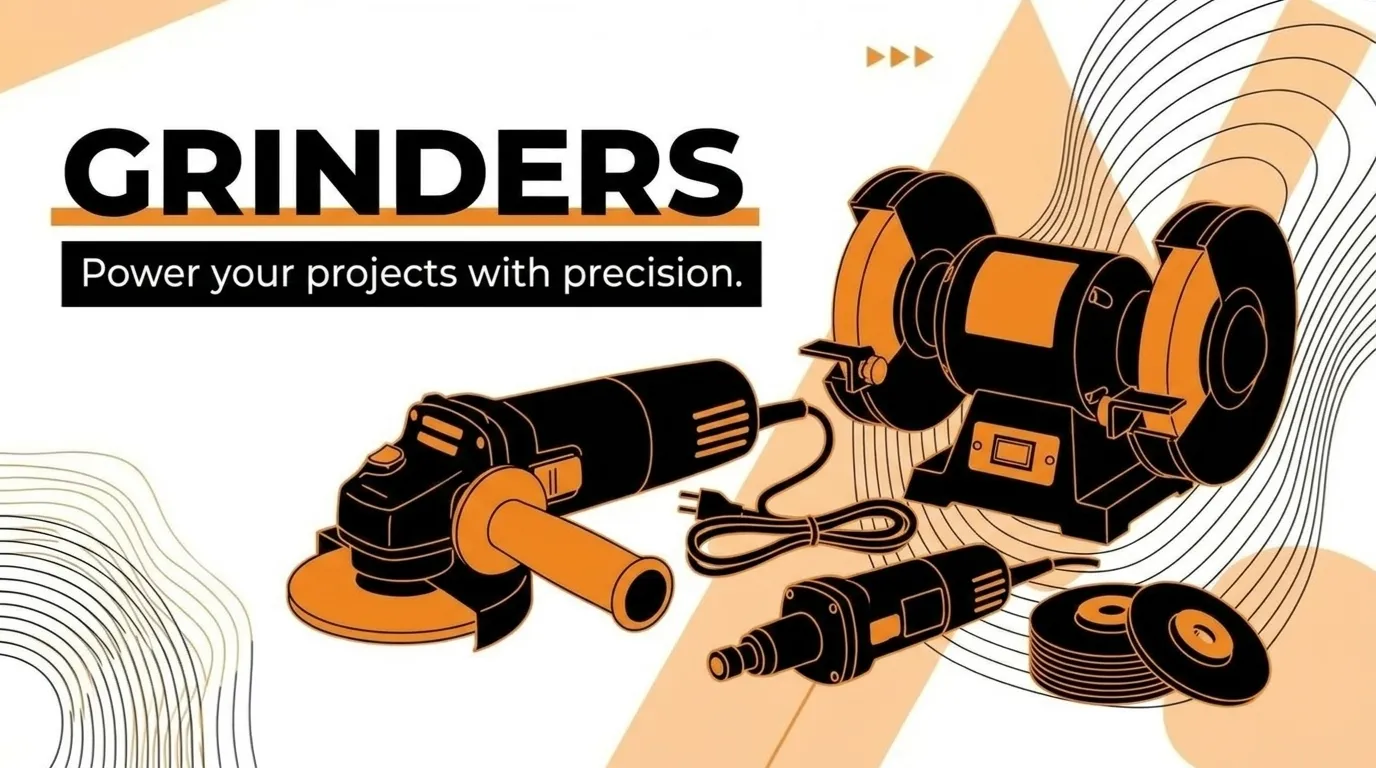
Angle grinders for cutting and grinding are defined by their flexibility more than any single capability. Fitted with a cutting disc, a 115mm or 125mm angle grinder cuts through steel bar, pipe, sheet metal, and ceramic tile cleanly and quickly. Swap to a grinding disc and the same tool removes weld spatter, smooths rough cuts, and levels uneven metal surfaces. A flap disc turns it into a surface preparation tool for removing paint, rust, and mill scale from steel before coating or welding. Diamond cup wheels handle grinding back concrete, screeds, and masonry surfaces, which is a common requirement in Cypriot construction where render and concrete finishes are standard across both residential and commercial builds. A 230mm large-angle grinder steps up for heavier cutting through thicker steel sections, concrete block, and stone, where a smaller disc would labour or wear rapidly.
Matching Power and Disc Size to the Work
Grinders are available across several disc diameter sizes, and the right choice depends on the depth of cut, the material, and the duration of use. A 115mm or 125mm angle grinder is the most common choice for general trade and DIY use, light enough to handle comfortably overhead or in tight spaces while still delivering enough power for most cutting and grinding tasks. A 180mm grinder covers heavier stock removal and more demanding cutting applications where a 125mm disc reaches its limits. The 230mm class is the choice for serious site work, cutting large-format tile, thick steel, and heavy masonry where disc longevity and motor stamina matter more than portability. Bench grinders sit outside this size conversation entirely, operating on a fixed axis with two wheels and suited to precision sharpening of chisels, drill bits, and tool steel rather than material removal at scale. Cy Deals stocks electric grinders across all of these categories, giving you the option to match the tool to the task properly rather than compromising on a single mid-range size.
Cordless Grinders for Site and Outdoor Work
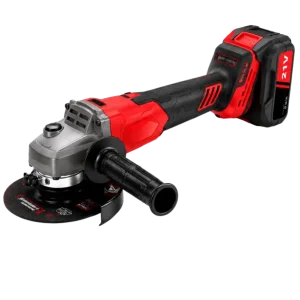
Battery-powered angle grinders have become a genuine option for trade use following improvements in brushless motor efficiency and battery cell capacity. A cordless grinder removes the cable management problem entirely, which matters most when working on scaffolding, in roof spaces, underneath vehicles, or in any outdoor setting where running a lead is impractical. For construction and renovation work in Cyprus, where jobs frequently move between indoor and outdoor areas and power access is not always straightforward, cordless grinding tools give you continuous working capability without interruption. The cordless models in this range are drawn from battery platforms shared with other tools in the power tools category, so existing battery investments carry across without duplication.
Safety, Control, and Disc Compatibility
Grinders operate at high disc speeds and generate sparks, debris, and significant reactive force when a disc catches in a cut, which makes the control features of the tool as important as its raw power output. Variable speed settings allow you to match disc surface speed to the material, which is particularly relevant when working with polishing pads, wire brushes, and flap discs that have lower maximum speed ratings than cutting and grinding wheels. Paddle switches and lock-off triggers reduce the risk of accidental start-up, and vibration-dampened handles reduce fatigue on longer grinding sessions. Anti-kickback features, now standard on better-quality angle grinders, detect sudden disc resistance and cut power before the reactive torque can cause the tool to twist out of control. For anyone using grinding tools regularly in Cyprus, across construction sites, workshops, and vehicle maintenance, these are the features that separate a tool worth trusting from one that is simply cheap.