
Variable Dumbbells
Experience the future of strength training with our premium collection of variable dumbbells, the intelligent weight solution that adapts to every exercise in your routine. These innovative adjustable systems combine multiple weight options into one streamlined design, eliminating clutter while maximizing your training potential. From rehabilitation exercises to advanced muscle building, variable dumbbells provide instant weight adjustments that keep your workouts flowing smoothly. Explore our carefully curated selection of variable weight systems that deliver gym-quality training in the comfort of your Cyprus home, proving that compact equipment can deliver powerful results.
Showing all 3 resultsSorted by popularity
-
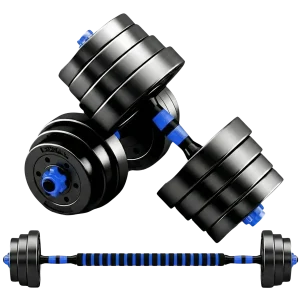
Adjustable Dumbbells, Home Gym Equipment, Weights
Original price was: 279,99 €.199,99 €Current price is: 199,99 €. Add to cart -
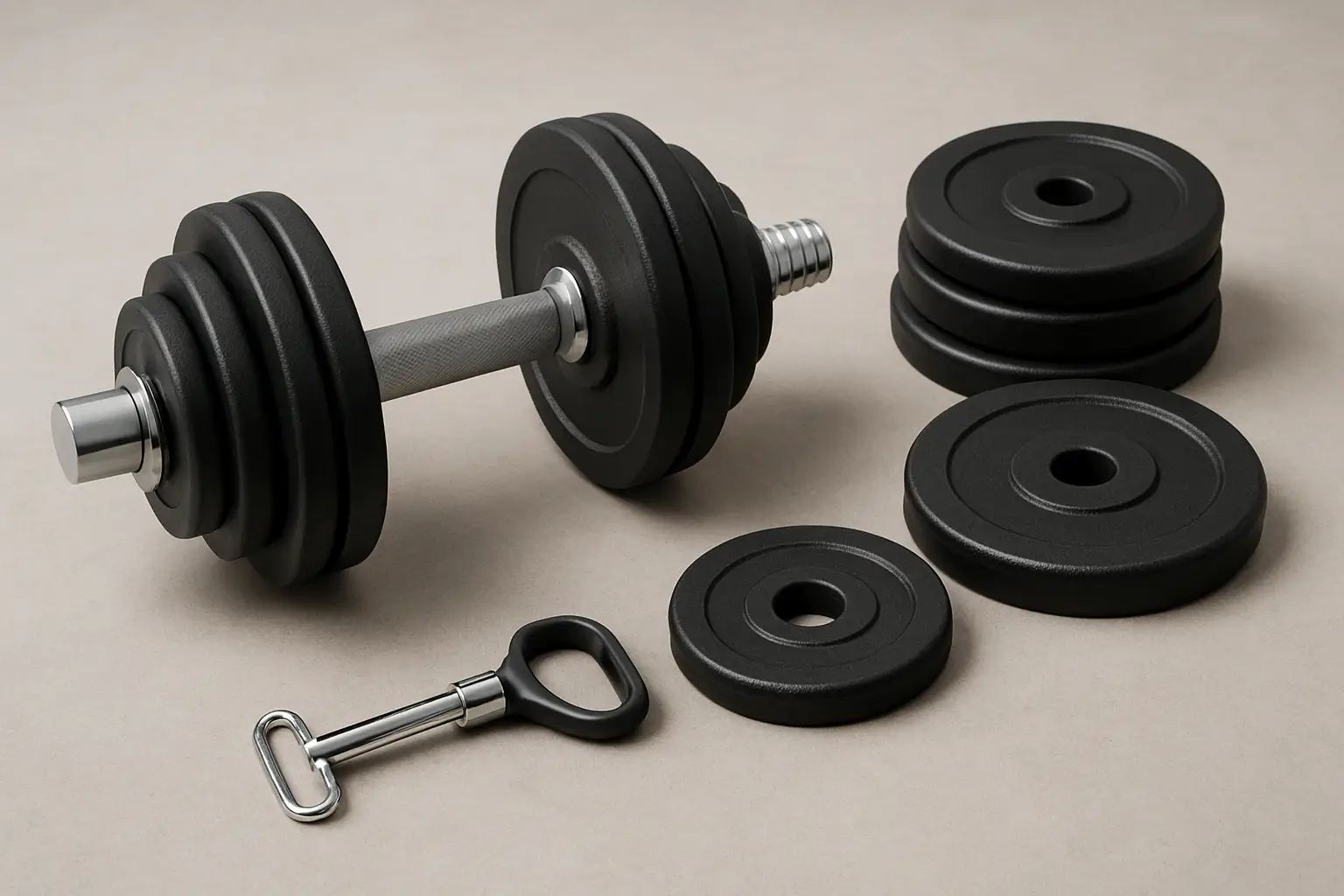
Adjustable Dumbbells, Home Gym Equipment, Weights
Original price was: 139,99 €.99,99 €Current price is: 99,99 €. Add to cart -
Adjustable Dumbbells, Home Gym Equipment, Weights
Original price was: 349,99 €.249,99 €Current price is: 249,99 €. Add to cart


Showing all 3 resultsSorted by popularity
The Ultimate Resource for Understanding Variable Dumbbells
Building an effective home gym doesn’t mean sacrificing precious living space or spending a fortune on equipment. Variable dumbbells have emerged as the cornerstone of smart home fitness setups, offering a sophisticated solution that combines versatility, convenience, and professional-grade training capability in one compact package.
Understanding Variable Dumbbells: The Basics
Variable dumbbells represent an evolution in weight training equipment design. Unlike conventional fixed-weight dumbbells that remain at a single weight, variable dumbbells allow you to modify resistance levels on demand. This variability is achieved through clever engineering – typically involving a base station with weight plates that can be selected or deselected using dials, pins, levers, or other adjustment mechanisms.
The concept is elegantly simple yet profoundly practical. Instead of owning 15 or 20 pairs of traditional dumbbells spanning from 5kg to 40kg, you own one pair of variable dumbbells that covers that entire spectrum. When you need 10kg for lateral raises, you select 10kg. When you need 25kg for chest presses, you adjust to 25kg. The transition takes mere seconds, keeping your heart rate elevated and your workout momentum strong.
What sets modern variable dumbbells apart from earlier adjustable designs is the refinement of the adjustment mechanism. Today’s variable dumbbells feature engineered systems that lock securely, adjust smoothly, and feel balanced during use. The weight plates are precision-manufactured to ensure even distribution, and the locking mechanisms provide confidence that weights won’t shift or detach during your most intense sets.
Why Variable Dumbbells Have Become Essential Home Gym Equipment
The transformation in how people approach fitness – particularly the shift toward home-based training – has elevated variable dumbbells from niche equipment to mainstream essentials. Several factors explain this evolution. The modern lifestyle demands efficiency, and variable dumbbells deliver exactly that. Your training time becomes more productive when you’re not constantly switching between different dumbbell pairs or waiting for equipment at crowded gyms.
Space optimization drives many equipment decisions in Cyprus homes where every square meter counts. A traditional dumbbell set suitable for serious training requires dedicated storage – often a multi-tier rack occupying significant wall or floor space. Variable dumbbells condense all that into a footprint smaller than a laptop, freeing up space for other activities or simply maintaining a cleaner, more organized living environment.
The economic argument for variable dumbbells becomes compelling when you calculate costs. Quality fixed-weight dumbbells aren’t cheap, and building a comprehensive collection represents a substantial investment. When you multiply the cost per dumbbell pair by the number of weight increments you need, the total often exceeds what you’d pay for premium variable dumbbells. Additionally, variable dumbbells hold their value remarkably well, making them a sound long-term investment.
Beyond practical considerations, variable dumbbells genuinely enhance training effectiveness. The ability to implement drop sets – reducing weight immediately after reaching failure to continue the set – becomes effortless. You can smoothly transition between exercises targeting different muscle groups without workout interruption. This continuity elevates training intensity and potentially accelerates results.
What Types of Variable Dumbbell Systems Are Available?
The variable dumbbell market offers several distinct design approaches, each with characteristics that appeal to different users. Dial-based variable dumbbells have become perhaps the most recognized type. These systems feature rotating dials at each end of the dumbbell that you turn to select your desired weight. The dials engage with specific weight plates, which lock into place when you lift the handle from the base. Users appreciate these for their intuitive operation and quick adjustments, though the dial mechanism requires occasional maintenance to maintain smooth operation.
Pin-selector variable dumbbells employ a straightforward concept borrowed from gym plate-loaded machines. You insert a pin through the weight stack at your chosen resistance level, and only the selected plates lift with the handle. This design is valued for its simplicity and durability – fewer moving parts mean less that can potentially malfunction. The pin system provides positive, unmistakable feedback when properly engaged, giving users confidence in their selection.
Some variable dumbbells use slide or switch mechanisms that combine speed with security. These often feature lever systems that engage locking bars through multiple weight plates simultaneously. While perhaps less common than dial systems, these designs can offer excellent durability and very secure weight retention during dynamic movements.
Newer innovations include smart variable dumbbells that incorporate digital weight tracking, automatic form analysis, and workout guidance. While these high-tech options come at premium prices, they represent where the category is heading for users who value integrated technology in their training.
How Do You Choose the Right Variable Dumbbells for Your Goals?
Selecting variable dumbbells that serve you well for years requires considering multiple factors beyond just price. The maximum weight capacity should align with where you’ll be in your fitness journey one to two years from now, not just your current strength level. If you’re currently pressing 15kg dumbbells, choosing variable dumbbells that max out at 20kg leaves no room for progression. Instead, consider models extending to 30kg or 40kg per hand to accommodate future strength gains.
Equally important is the minimum weight available. If you’re recovering from injury, new to strength training, or planning exercises like shoulder rehabilitation movements, you’ll want variable dumbbells that start light – perhaps 2.5kg or 5kg. The ability to start conservatively and progress gradually is fundamental to safe, effective training.
Weight increment size determines your progression options. Variable dumbbells adjusting in 2.5kg jumps throughout the range provide more flexibility than those with larger increments. This granularity matters significantly for certain exercises. Adding 5kg to your lateral raise weight might be too aggressive, while a 2.5kg increase allows progressive overload without compromising form.
The adjustment mechanism’s reliability and ease of use warrant careful evaluation. Read authentic user reviews focusing on long-term performance – do the mechanisms remain smooth after months of daily use? Are there reports of weights failing to lock properly? Quality variable dumbbells should adjust effortlessly every time without jamming or requiring excessive force.
Handle characteristics dramatically impact workout comfort and safety. Assess the handle diameter – too thick and your grip fatigues prematurely, too thin and it may dig uncomfortably into your hands. The handle surface should provide adequate texture or knurling to prevent slipping without being so aggressive it damages your skin. If you have larger or smaller hands than average, pay extra attention to whether the handle suits your anatomy.
Do Variable Dumbbells Work as Well as Traditional Dumbbells?
This question surfaces frequently among those considering variable dumbbells, often from people worried they’re compromising effectiveness for convenience. The reality is that your muscles cannot distinguish between variable and fixed-weight dumbbells – they only recognize resistance and tension. If you’re lifting 20kg, whether that comes from a solid 20kg dumbbell or a variable dumbbell set to 20kg makes no meaningful difference to muscle stimulus.
That said, there are nuanced considerations. High-quality variable dumbbells with properly engineered weight distribution and secure locking mechanisms feel virtually identical to traditional dumbbells during use. Lower-quality models might have slight weight imbalances or allow minor plate movement, which can feel different. This is why investing in reputable variable dumbbells matters – the premium you pay translates to better training experience.
For explosive movements like snatches or clean-and-presses, fixed-weight dumbbells have an advantage because they’re designed as single solid units. Variable dumbbells, having multiple components, can experience more stress during high-impact movements. However, for the vast majority of exercises – presses, rows, curls, extensions, lunges, and hundreds of others – quality variable dumbbells perform identically to traditional options.
One area where variable dumbbells excel is exercise variety within a single workout. The rapid weight changes enable training techniques that would be impractical with fixed weights. Pyramid sets, drop sets, and supersets become more feasible, potentially making your variable dumbbell workouts more effective than traditional dumbbell training simply because you can implement advanced techniques more easily.
Which Exercises Work Best With Variable Dumbbells?
Variable dumbbells accommodate nearly every dumbbell exercise in existence, but certain movements particularly benefit from the variable weight format. Compound pushing movements like flat dumbbell presses, incline presses, and shoulder presses work magnificently with variable weights. You might use heavier loads for flat presses, reduce weight for inclines where you’re biomechanically weaker, and drop lighter still for isolation movements – all without interrupting workout flow.
Pulling movements including single-arm rows, chest-supported rows, and bent-over rows take full advantage of variable dumbbell versatility. Back training often incorporates various angles and grips, each requiring different resistance levels for optimal stimulus. Having instant weight adjustment means you can thoroughly work every back muscle in one efficient session.
Isolation exercises for arms and shoulders particularly benefit from variable dumbbells. These muscle groups respond well to various rep ranges and training techniques. You might start with heavy hammer curls for 6-8 reps, immediately reduce weight for concentration curls at 10-12 reps, then finish with light high-rep work – all using the same pair of variable dumbbells.
Leg training with dumbbells centers largely on unilateral movements – lunges, step-ups, Bulgarian split squats, and single-leg Romanian deadlifts. Variable dumbbells excel here because you can load appropriately for these demanding exercises. As your leg strength develops, simply adjust the weight upward to continue challenging these large muscle groups.
Core and functional training movements like Turkish get-ups, woodchoppers, and various carry variations work well with variable dumbbells. The ability to precisely match weight to exercise difficulty ensures you’re challenged appropriately without being overwhelmed or under-stimulated.
How Should You Maintain Variable Dumbbells for Longevity?
Proper care ensures your variable dumbbells remain functional and safe throughout years of training. The adjustment mechanism represents the most critical maintenance area. Depending on your model, this might involve periodically cleaning dust and debris from dials, pins, or levers. A soft brush or compressed air can remove particles that might interfere with smooth operation. Follow manufacturer guidelines regarding any lubrication – some systems benefit from occasional light oil application on moving parts, while others are designed to operate dry.
The weight plates themselves require minimal maintenance but benefit from regular inspection. Check for any cracks, chips, or deformation, particularly if you’ve accidentally dropped the dumbbells. Metal plates should be wiped clean of sweat and moisture after intense workouts to prevent any potential corrosion. In Cyprus’s coastal areas where salt air is present, this becomes even more important.
Handle grips, whether rubber-coated or knurled metal, need attention to maintain comfort and safety. Rubber grips can accumulate sweat and oils, becoming slippery over time. Clean them with mild soap and water, ensuring they dry thoroughly before storage. Metal handles with knurling should be brushed occasionally to clear any buildup in the texture grooves that provide grip.
Storage practices significantly impact longevity. Always return variable dumbbells to their base trays when not in use. This protects the mechanism from accidental damage and keeps all components properly aligned. Store them in a temperature-stable area away from direct sunlight, which can degrade plastic components and rubber grips over time. If your workout space experiences high humidity, consider a dehumidifier to protect metal components.
Perform regular functionality checks – cycle through all weight settings monthly to ensure every selection locks properly. This practice helps you catch any developing issues before they become serious problems. If you notice sticking, unusual resistance, or incomplete engagement, address it promptly. Most manufacturers offer excellent customer support for mechanical issues, particularly within warranty periods.
Are Variable Dumbbells Safe for All Fitness Levels?
Variable dumbbells are actually exceptionally suitable for all fitness levels, from complete beginners to advanced athletes. For beginners, the ability to start with very light weights and progress incrementally is invaluable. Learning proper movement patterns with appropriate resistance prevents injury and builds confidence. As beginners gain strength, adding weight becomes a simple adjustment rather than a barrier requiring new equipment purchases.
The critical safety consideration with variable dumbbells – regardless of fitness level – is ensuring weights are properly locked before every set. This becomes habitual quickly, taking just a moment to verify the mechanism has fully engaged. Quality variable dumbbells provide clear visual and often audible feedback when properly locked. Never lift the dumbbell from its base until you’re certain the selection is secure.
Intermediate trainees find variable dumbbells perfect for implementing progressive overload systematically. The precise weight increments available enable you to follow structured programs that call for specific loading. You can progress according to your programming without being limited by available equipment.
Advanced lifters sometimes question whether variable dumbbells can support their strength levels, but modern systems extending to 40kg per hand accommodate most training needs. Even if you can press heavier than the maximum available, variable dumbbells remain valuable for volume work, accessory exercises, and unilateral movements where extreme loading isn’t the goal.
Older adults and those with medical conditions benefit from variable dumbbells’ flexibility. Starting light and progressing cautiously aligns perfectly with medical recommendations for strength training in these populations. The compact design also reduces tripping hazards compared to having multiple dumbbells scattered about.
What’s the Price-to-Value Relationship for Variable Dumbbells?
Understanding what you’re paying for helps make smart purchasing decisions. Entry-level variable dumbbells typically range from modest to moderate prices and feature plastic-encased weight plates and basic adjustment mechanisms. These can serve light-to-moderate training adequately but may not withstand years of heavy use. The mechanisms might feel less refined, and weight distribution can be less balanced. For casual exercisers training a few times monthly, these might suffice.
Mid-tier variable dumbbells represent where most serious home exercisers should focus. These feature metal weight plates, refined adjustment mechanisms, comfortable handles, and better overall construction. They’re designed for regular use and typically come with multi-year warranties. The feel during exercise is substantially better than budget options – more balanced, quieter operation, and smoother adjustments. This category offers the best value proposition for committed home trainers.
Premium variable dumbbells command higher prices but deliver noticeable quality differences. Expect exceptional build quality with precision-machined components, ergonomically optimized handles, whisper-quiet operation, and innovative features. Some include digital integration, automatic workout tracking, or smart features. These are investments that can last decades with proper care.
When evaluating price, calculate cost-per-weight increment. If variable dumbbells covering 5-40kg cost a certain amount, and individual dumbbell pairs would cost another amount each, the break-even point usually favors variable dumbbells once you need more than 4-5 different weight pairs. Factor in space savings and convenience, and the value proposition strengthens further.
Warranties provide insight into manufacturer confidence. Quality variable dumbbells typically include multi-year warranties covering mechanical defects. This protection adds value and peace of mind, particularly important for equipment you’ll use intensively. Extended warranties, when reasonably priced, can be worthwhile for premium models.
Can You Build Significant Strength Using Only Variable Dumbbells?
Absolutely – the implement matters far less than how you use it, and variable dumbbells provide all the resistance needed for substantial strength development. Strength fundamentally comes from progressive tension and proper programming. As long as you’re consistently challenging your muscles with increasing demands, they’ll adapt by becoming stronger.
Dumbbell training actually offers certain advantages for strength development. The stability requirement when pressing or rowing dumbbells engages more stabilizing muscles compared to barbell movements. This creates comprehensive strength that transfers well to real-world activities and sports. Unilateral dumbbell work also prevents strength imbalances where one side compensates for the other.
For upper body strength, variable dumbbells extending to 30-40kg per hand provide sufficient resistance for years of progress. Consider that pressing 40kg dumbbells (80kg total) for reps represents impressive strength by any standard. Lower body development with dumbbells focuses more on unilateral movements and higher-rep work, which builds excellent functional leg strength even without extremely heavy loads.
The key to building strength with variable dumbbells is implementing progressive overload consistently. Follow structured programs that gradually increase demands on your muscles – whether through heavier weights, more reps, additional sets, or reduced rest periods. Track your workouts to ensure you’re progressing. The precise weight increments available with quality variable dumbbells facilitate this systematic progression.
While powerlifters pursuing maximum one-rep-max lifts might eventually want specialized equipment like barbells for squats and deadlifts, the vast majority of fitness enthusiasts can achieve their strength goals entirely with variable dumbbells. Combined with bodyweight exercises like pull-ups and push-ups, variable dumbbells form the foundation of a comprehensive strength program.
How Do Variable Dumbbells Support Different Training Philosophies?
The adaptability of variable dumbbells makes them compatible with virtually every training approach. Traditional bodybuilding programs emphasizing moderate weights and muscle pump work beautifully with variable dumbbells. You can quickly adjust resistance between exercises, implement drop sets to completely fatigue muscles, and perform supersets with minimal transition time. The workout efficiency aligns perfectly with bodybuilding’s volume-focused approach.
Strength training protocols using lower reps with heavier weights are equally well-served by variable dumbbells. You can follow programs like 5×5 or 3×8 with appropriate weights, progressively overloading muscles to build maximum strength. The ability to make small incremental increases matches perfectly with strength training’s methodical progression.
Metabolic conditioning and circuit training benefit from variable dumbbells’ quick adjustability. You can design circuits that alternate between upper and lower body movements, adjusting weight to match each exercise’s demands. The compact footprint means you’re not navigating around equipment during fast-paced workouts.
Functional fitness training emphasizing movement quality and real-world strength translates excellently to variable dumbbells. Exercises like thrusters, snatches, farmer’s carries, and complex movement patterns can all be performed with appropriate weight selection. The versatility supports the varied, adaptable nature of functional training.
Even sport-specific training incorporates variable dumbbells effectively. Athletes can perform explosive movements, unilateral exercises addressing sports-specific demands, and metabolic conditioning work that mimics their sport’s energy demands. The quick weight changes enable training sessions that smoothly transition between different athletic qualities.
What Role Do Variable Dumbbells Play in Small Space Fitness?
For Cyprus residents dealing with space constraints – whether in apartments, converted rooms, or shared living situations – variable dumbbells are often the difference between having a functional home gym and having no dedicated workout space at all. The space efficiency is remarkable: one set of variable dumbbells replaces what would require 1.5-2 meters of wall-mounted rack space with traditional dumbbells.
This compact design enables creative use of available space. You might store variable dumbbells in a bedroom closet, bringing them out for workouts and returning them afterward. They fit easily under beds, on bookshelves, or in cabinets – essentially invisible when not in use. This allows maintaining a clean, uncluttered living environment while still having serious training equipment available.
The portability of variable dumbbells adds another dimension to small-space fitness. You can move them easily between rooms, take them to a balcony or terrace for outdoor workouts, or transport them when traveling. This flexibility is particularly valuable in multi-purpose spaces where the “gym” area serves other functions throughout the day.
For those in temporary living situations or who move frequently – common in Cyprus’s rental market – variable dumbbells represent equipment that moves with you effortlessly. You’re not dealing with dismantling racks or transporting dozens of individual dumbbells. Everything packs into a single compact load.
Small space training doesn’t mean compromised results. With variable dumbbells, you have everything needed for comprehensive strength development in a footprint smaller than a yoga mat. Combined with bodyweight exercises and perhaps a resistance band set, you can achieve results rivaling fully-equipped commercial gyms.
How Long Do Quality Variable Dumbbells Last?
Longevity depends on build quality, usage frequency, and maintenance practices, but quality variable dumbbells should provide many years of service. Premium models with metal construction and robust mechanisms can last decades with proper care. Even mid-range options typically deliver 5-10 years of regular use when maintained appropriately.
The adjustment mechanism experiences the most wear over time since it engages with every weight change. Quality systems are engineered for thousands of adjustment cycles, but they do eventually show wear. Signs that mechanism maintenance or replacement might be needed include increased stiffness when adjusting, weights failing to lock consistently, or unusual sounds during adjustment. Many manufacturers offer mechanism service or replacement parts for their premium lines.
Weight plates themselves are highly durable, especially metal versions. Short of catastrophic damage from dropping or impact, they should last essentially forever. Plastic-coated plates can show cosmetic wear over years but typically remain functional. Handle components like grips may need replacement after extended use, particularly if they’re rubber or foam materials that naturally degrade over time.
Environmental factors impact longevity significantly. Variable dumbbells stored in climate-controlled, dry environments will outlast those in damp garages or outdoor sheds. Coastal Cyprus locations with salt air require more vigilant maintenance to prevent corrosion. Protecting your investment through appropriate storage adds years to functional life.
The warranty period provides a baseline expectation for longevity. A manufacturer offering a 5-year warranty signals confidence their product will last at least that long under normal use. Extended warranties or lifetime guarantees on certain components (often the frame or handle) indicate even greater durability expectations.
Final Thoughts on Incorporating Variable Dumbbells Into Your Fitness Journey
Investing in variable dumbbells represents more than just buying equipment – it’s making a commitment to accessible, effective strength training that fits your lifestyle. These ingenious tools have revolutionized home fitness by eliminating the traditional barriers of space and cost while maintaining the effectiveness that makes dumbbell training so valuable.
The decision to purchase variable dumbbells should be made thoughtfully, considering your current fitness level, future goals, space constraints, and budget. Look for models that will serve you well beyond your current abilities, with sufficient weight range to accommodate years of progression. Prioritize build quality and mechanism reliability, as these factors determine both safety and longevity.
For those building home gyms in Cyprus, variable dumbbells address the unique challenges of limited space while providing training versatility that supports various fitness goals. Whether you’re recovering from injury, building muscle, improving athletic performance, or simply maintaining health and fitness, variable dumbbells adapt to your needs rather than limiting them.
As you explore our variable dumbbell collection, think about which features matter most for your specific situation. Consider maximum weight capacity, adjustment mechanism type, build quality, and overall value. The right choice will serve as a cornerstone of your fitness routine, enabling effective workouts that deliver results without dominating your living space or overwhelming your budget.
Your investment in quality variable dumbbells is an investment in your health, strength, and well-being. With the right equipment and consistent effort, you’ll build the physique and capabilities you’re working toward – proving that effective fitness doesn’t require vast space or commercial gym memberships. It requires smart equipment choices and dedication, both of which variable dumbbells support perfectly.