
Dog Crates
Looking for a safe and comfortable space for your furry friend? Our collection of dog crates offers the perfect solution for training, travel, and creating a cosy den your pet will love. Whether you need a portable option for trips around Cyprus or a sturdy home crate for everyday use, we stock a variety of sizes and styles to suit dogs of all breeds. From wire crates with excellent ventilation to soft-sided carriers and stylish furniture-style options, find the ideal crate that keeps your dog secure while giving you peace of mind.
Showing the single result
-
-50%IN STOCK
 IN STOCK
Dog Cages, Dog Furniture, Pet Supplies
Original price was: 139,99 €.69,99 €Current price is: 69,99 €. Add to basket
Showing the single result
Everything You Need to Know About Choosing the Right Dog Crate
A dog crate is more than just a containment tool. It’s a personal space where your dog can feel safe, secure, and comfortable. Whether you’re housetraining a puppy, travelling with your pet, or simply providing a quiet retreat, the right crate makes all the difference. Our range includes options designed for every lifestyle, from compact travel crates to spacious home solutions that blend seamlessly with your décor.
Types of Dog Crates and Their Benefits
Wire Dog Crates
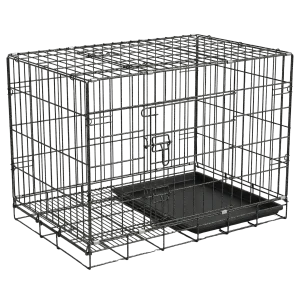
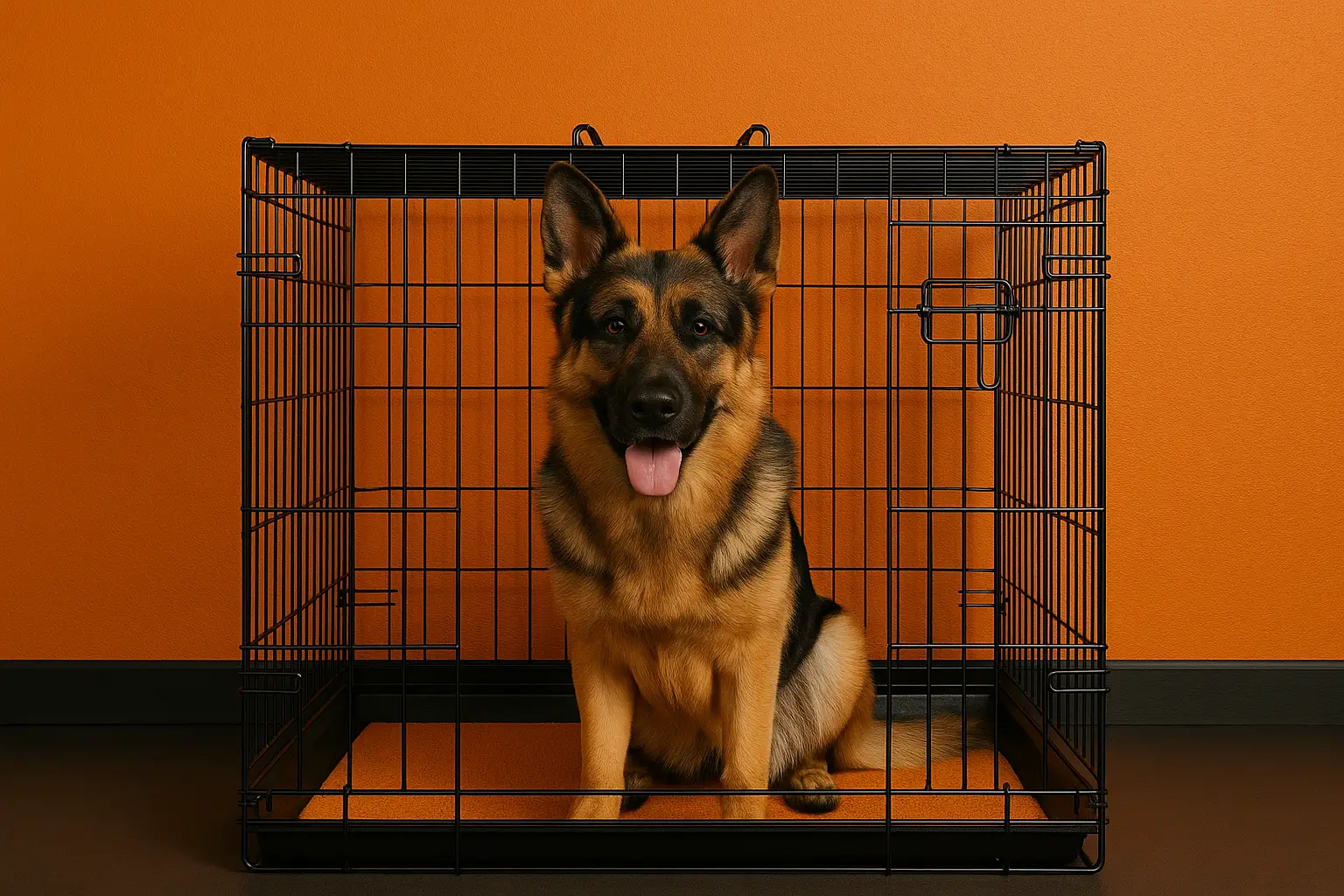
Wire crates are among the most popular choices for good reason. They offer excellent ventilation, which is particularly important in Cyprus’s warm climate. The open design allows your dog to see their surroundings, reducing anxiety and helping them feel connected to the family. Most wire crates fold flat for easy storage and transport, making them perfect for families who travel between cities or to the countryside. They’re also durable and easy to clean, with removable trays that slide out for quick maintenance.
Soft-Sided Crates
If you’re frequently on the move, soft-sided crates provide lightweight convenience without sacrificing comfort. These fabric crates are ideal for well-trained dogs who don’t chew or scratch excessively. They’re easy to carry, often featuring padded straps and multiple mesh windows for airflow. While they may not suit strong chewers or puppies still learning boundaries, they’re excellent for trips to the vet, beach outings, or visiting friends and family.
Plastic Travel Crates
Plastic crates, often called airline-approved kennels, are the go-to choice for air travel. They’re sturdy, secure, and provide more privacy than wire options, which can help anxious dogs feel calmer. The solid sides offer protection from the elements, making them suitable for outdoor use as well. If you plan to fly with your pet or need a robust crate for car journeys, a plastic travel crate is a reliable investment.
Furniture-Style Crates
For those who want functionality without compromising on style, furniture-style crates double as attractive home furnishings. These units often resemble end tables, benches, or cabinets, with the crate cleverly integrated inside. They’re perfect for living spaces where you want your dog’s crate to blend in rather than stand out. While typically more expensive, they offer a premium look that complements modern and traditional interiors alike.
Why Use a Dog Crate?
House Training Made Easier
Crates are invaluable tools for housetraining puppies. Dogs naturally avoid soiling their sleeping area, so a properly sized crate encourages them to hold their bladder until they’re let outside. Consistency and patience are key, but a crate provides structure that accelerates the learning process.
Safe Travel
Whether you’re driving to Limassol for the weekend or flying abroad, a crate keeps your dog secure during transit. It prevents them from roaming around the vehicle, which could be dangerous in the event of sudden stops. For air travel, an approved crate is often mandatory and ensures your pet meets airline regulations.
A Personal Sanctuary
Dogs are den animals by nature. A crate offers them a quiet, private space where they can retreat when they need rest or want to escape household activity. With the right bedding and a few favourite toys, your dog’s crate becomes their favourite spot in the home.
Managing Separation Anxiety
For dogs who struggle when left alone, a crate can provide comfort and security. It limits their access to the house, reducing the risk of destructive behaviour while giving them a familiar, enclosed space that feels safe.
How to Choose the Right Dog Crate
Size Matters
The most important factor when selecting a crate is size. Your dog should be able to stand up without hunching, turn around comfortably, and lie down fully stretched out. However, avoid going too large, especially for puppies. Excess space may encourage them to use one end as a bathroom. Many crates come with dividers that let you adjust the interior space as your puppy grows.
Consider Your Dog’s Behaviour
Is your dog a chewer? A wire or heavy-duty plastic crate will withstand determined jaws better than soft fabric. Does your dog get anxious easily? A plastic crate with solid sides might offer the privacy they need to feel secure. Think about your dog’s personality and habits when making your choice.
Portability vs Permanence
If the crate will stay in one place, weight and portability might not matter. But if you travel often or need to move the crate between rooms, look for lightweight designs or those with wheels and handles. Collapsible wire crates are particularly convenient for storage and transport.
Ventilation and Climate
Cyprus summers can be hot, so ventilation is crucial. Wire crates offer maximum airflow, keeping your dog cool and comfortable. If you choose a plastic or furniture-style crate, ensure it has adequate ventilation openings to prevent overheating.
Quality and Durability
Investing in a well-made crate saves money in the long run. Check for sturdy construction, secure latches, and smooth edges that won’t harm your pet. Read reviews and choose reputable brands known for durability and safety.
Tips for Crate Training Success
Introduce the crate gradually. Start by placing treats and toys inside with the door open, allowing your dog to explore at their own pace. Feed meals near or inside the crate to create positive associations. Never use the crate as punishment. It should always be a safe, happy place.
Keep initial crating sessions short and gradually increase duration as your dog becomes comfortable. Cover the crate with a blanket if your dog prefers a darker, den-like environment, but ensure ventilation isn’t blocked. Always remove collars before crating to prevent snagging hazards.
Caring for Your Dog Crate
Regular cleaning keeps the crate hygienic and pleasant. Remove and wash bedding weekly, or more often if accidents occur. Wipe down wire and plastic crates with pet-safe disinfectant. Check latches and hinges periodically to ensure everything functions smoothly and safely.
For soft-sided crates, follow the manufacturer’s washing instructions. Most covers are machine washable, but air drying is often recommended to maintain shape and durability.
Frequently Asked Questions
What size dog crate do I need for my puppy?
Measure your puppy at full adult size (research breed standards if unsure). The crate should allow them to stand, turn, and lie down comfortably. Use a divider panel to adjust the space as they grow, preventing housetraining setbacks.
Are dog crates safe to use overnight?
Yes, crates are safe for overnight use once your dog is properly crate trained. Ensure the crate is the right size, well-ventilated, and placed in a quiet area. Puppies may need nighttime bathroom breaks initially.
Can I use a dog crate for air travel within Cyprus or abroad?
Absolutely. Choose an airline-approved plastic crate that meets IATA regulations. Check with your specific airline for size restrictions and requirements. Ensure your dog is comfortable in the crate well before travel day.
How long can I leave my dog in a crate?
Adult dogs can typically stay crated for 4 to 6 hours during the day, though this varies by individual. Puppies need more frequent breaks. Never use a crate as all-day confinement. Dogs need exercise, social interaction, and bathroom breaks.
What’s the difference between wire and plastic dog crates?
Wire crates offer superior ventilation and visibility, ideal for warm climates and dogs who want to see their surroundings. Plastic crates provide more privacy and security, making them better for anxious dogs and air travel.
Do I need to put bedding in my dog’s crate?
Bedding adds comfort, but avoid it during initial housetraining if your puppy has accidents. Once trained, use washable blankets, cushions, or crate mats. Ensure bedding fits properly and won’t bunch up or create choking hazards.
Can multiple dogs share one crate?
It’s not recommended. Each dog should have their own crate to prevent conflict, ensure safety, and maintain their personal space. Even bonded pairs benefit from individual crates.
How do I stop my dog from barking in the crate?
Ensure basic needs are met (bathroom, exercise, food). Ignore attention-seeking barking but respond to genuine distress. Gradually increase crate time, reward quiet behaviour, and ensure the crate is associated with positive experiences. Consistency is essential.
Are furniture-style dog crates as secure as traditional ones?
Quality furniture crates are secure and functional, though they may not suit escape artists or aggressive chewers. Check construction quality, door latches, and interior space before purchasing. They work best for calm, crate-trained dogs.
Where should I place my dog’s crate at home?
Choose a quiet spot away from high-traffic areas but not completely isolated. Dogs are social and want to be near family. Avoid direct sunlight, drafts, and noisy appliances. The bedroom works well for nighttime crating, promoting bonding and reducing anxiety.