
Best Dog Crates
Discover the best dog crates designed to keep your furry friend safe, comfortable, and happy. Whether you’re house training a puppy, travelling across Cyprus, or simply providing a cozy retreat for your pet, our carefully selected collection offers premium quality crates in various sizes and styles. From collapsible wire crates to stylish furniture designs, each option combines durability with functionality. Find the perfect crate that matches your dog’s needs and your home’s aesthetic, ensuring peace of mind for you and security for your beloved companion.
Showing the single result
-
-50%IN STOCK
 IN STOCK
Dog Cages, Dog Furniture, Pet Supplies
Original price was: 139,99 €.69,99 €Current price is: 69,99 €. Add to basket
Showing the single result
Your Complete Guide to Finding the Perfect Dog Crate
A dog crate serves as much more than a containment tool. It becomes your pet’s personal sanctuary, a place where they feel safe, secure, and relaxed. The right crate supports effective training, protects your home from destructive behaviour, and provides a familiar space that reduces anxiety during stressful situations.
For dog owners in Cyprus, choosing a quality crate means considering our unique climate, living spaces, and lifestyle. Whether you live in a Nicosia apartment, a Limassol villa, or a coastal home in Paphos, the ideal crate seamlessly integrates into your daily routine while prioritizing your dog’s wellbeing.
Different Types of Dog Crates Explained
Wire Crates
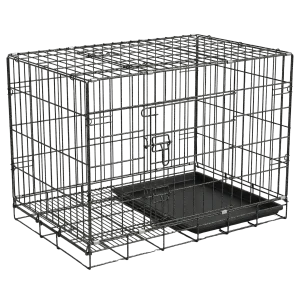
Wire crates remain the most versatile and popular option. Their open design ensures excellent airflow, crucial during Cyprus’s hot summer months. Most models fold completely flat within seconds, making storage effortless. The visibility they provide helps dogs feel connected to family activities while maintaining boundaries. Available in numerous sizes, wire crates suit everyone from Chihuahuas to Great Danes.
Plastic Travel Crates
Airlines approve these sturdy, enclosed designs for safe pet transport. Plastic crates offer more privacy than wire alternatives, which some dogs prefer. They’re ideal for road trips around Cyprus or ferry journeys. The enclosed structure provides extra security for nervous dogs, though ventilation is slightly reduced compared to wire options.
Soft-Sided Crates
Lightweight and portable, soft-sided crates work beautifully for well-trained, non-destructive dogs. They’re perfect for weekend getaways to the Troodos Mountains or beach visits. However, they’re not suitable for puppies or dogs who chew, as the fabric won’t withstand determined escape attempts.
Heavy-Duty Crates
Designed for powerful breeds or escape artists, these reinforced crates feature thicker bars, stronger latches, and enhanced construction. If your dog has successfully escaped standard crates or suffers from severe separation anxiety, heavy-duty models provide necessary security without compromising comfort.
Furniture-Style Crates
These aesthetic options double as functional home furniture. Crafted from wood or composite materials with attractive finishes, they blend into your décor while serving as end tables, benches, or decorative pieces. They’re perfect for living areas where you want style alongside practicality.
Core Benefits of Using a Dog Crate
Effective House Training
Crates leverage your dog’s natural instinct to keep their sleeping area clean. This biological tendency accelerates potty training significantly. Consistent crate training establishes predictable bathroom routines, reducing indoor accidents and creating structure for puppies learning household rules.
Safe Space During Unsupervised Time
When you cannot watch your dog directly, a crate prevents access to electrical cords, toxic plants, medications, or valuable items. It protects both your belongings and your pet from potential hazards lurking in typical homes.
Travel Security
A crate-trained dog travels with less stress. Whether visiting the veterinarian, taking road trips, or relocating, having a familiar crate provides comfort in unfamiliar environments. This is particularly valuable when navigating Cyprus’s busy roads or staying in pet-friendly accommodations.
Anxiety Management
Many dogs naturally seek enclosed spaces when overwhelmed. Crates provide retreat options during thunderstorms, fireworks displays common during celebrations, or when household activity becomes too stimulating. This personal den helps dogs self-regulate emotional responses.
Simplified Multi-Pet Households
In homes with multiple pets, crates create individual spaces that prevent conflicts during feeding times or when animals need separation. This boundary-setting reduces stress for all pets involved.
How to Select the Right Crate
Size Matters Most
Your dog should stand without crouching, turn around easily, and lie down with legs fully extended. Measure from your dog’s nose to tail base, adding 10-15cm. For height, measure floor to head-top when standing, plus 10cm clearance. Puppies require special consideration; choose based on expected adult size or use adjustable dividers.
Material and Construction Quality
Examine welds, joints, and latches carefully. Poor construction leads to bent bars, broken doors, and potential injuries. Powder-coated finishes resist rust better than plain metal, important in Cyprus’s humid coastal regions. Smooth edges prevent paw injuries and torn bedding.
Door Placement and Accessibility
Single-door crates work in corners or against walls. Double-door models offer flexibility for various room configurations. Top-loading options simplify placing small dogs inside. Consider your home layout when selecting door configurations.
Portability Requirements
Frequent travelers need lightweight, easily collapsible options. Handles, wheels, or carrying cases enhance convenience. If the crate stays stationary, weight becomes less critical than stability and durability.
Ventilation and Visibility
Adequate airflow prevents overheating, especially during warm months. Wire crates excel here, while plastic models require sufficient ventilation holes. Balance your dog’s need for visual connection with their preference for privacy.
Setting Up Your Dog’s Crate Successfully
Location influences how quickly your dog accepts their crate. Choose a quiet corner in a family room where your dog can observe household activity without being in the middle of chaos. Avoid isolated garages or distant rooms that increase feelings of abandonment.
Make the interior inviting with comfortable, washable bedding. Include a favourite toy or an item with your scent. Some dogs appreciate partially covered crates that create den-like atmospheres, while others prefer full visibility.
Never use the crate as punishment. It must always represent safety and comfort, not isolation or discipline. This positive association is fundamental to successful crate training.
Crate Training Techniques That Work
Start gradually. Initially, leave the door open and toss treats inside, encouraging voluntary exploration. Feed meals near or inside the crate to build positive associations. Once your dog enters willingly, close the door briefly while you remain nearby, gradually extending duration.
Practice departures. Leave for short periods while your dog is crated, slowly increasing absence time. This teaches that you always return, reducing separation anxiety. Maintain calm energy during arrivals and departures to avoid heightening emotions.
Age-appropriate expectations matter. Puppies need frequent bathroom breaks; they cannot physically hold bladders for extended periods. Adult dogs generally manage 4-6 hours comfortably, though individual needs vary based on size, age, and health.
Maintaining Your Dog’s Crate
Regular Cleaning Schedule
Weekly bedding washes prevent odour buildup and maintain hygiene. Wipe crate surfaces with pet-safe disinfectants monthly. In Cyprus’s dusty conditions, more frequent cleaning may be necessary, especially if your crate is near open windows or doors.
Safety Inspections
Check latches, bars, and welds monthly for signs of wear, rust, or damage. Replace compromised components immediately. Loose pieces pose injury risks and reduce security effectiveness.
Temperature Management
During summer, position crates away from direct sunlight. Use cooling mats or frozen water bottles wrapped in towels for comfort. Ensure constant access to fresh water. Winter months in mountainous areas may require additional bedding for warmth.
Bedding Adjustments
Rotate between different bedding options based on seasons. Lighter materials suit summer; thicker, more insulating options work better during cooler months. Chew-resistant bedding helps with puppies or destructive dogs.
Common Crate Training Mistakes
Choosing incorrectly sized crates ranks among the most frequent errors. Too small causes discomfort and stress; too large undermines house training by allowing dogs to eliminate in one corner while sleeping in another.
Leaving dogs crated excessively creates physical and psychological problems. Dogs need regular exercise, bathroom breaks, and social interaction. Crates facilitate training and safety but should never replace proper care and attention.
Forcing dogs into crates aggressively or using them for punishment destroys trust and creates negative associations. Patience and positive reinforcement produce lasting results, while forceful methods cause long-term behavioural issues.
Inconsistent training confuses dogs. Everyone in your household must follow the same rules and schedules. Mixed messages slow progress and increase frustration for both dogs and owners.
Frequently Asked Questions
What makes a dog crate the best choice for my pet?
The best dog crates combine appropriate sizing, durable construction, adequate ventilation, and ease of cleaning. Your ideal crate depends on your dog’s size, temperament, and your specific needs like travel frequency or home décor preferences. Quality materials and secure latches ensure safety and longevity.
How do I determine the correct crate size?
Measure your dog from nose to tail base and add 10-15cm for length. For height, measure from floor to head-top when standing and add 10cm. Your dog should stand, turn, and lie down comfortably. For puppies, choose based on adult size or use dividers to adjust space as they grow.
Can I use the same crate for puppies and adult dogs?
Yes, with adjustable dividers. These panels let you reduce usable space for house training purposes, then expand as your puppy grows. This approach is cost-effective and ensures proper sizing throughout development stages.
How long can dogs stay in crates safely?
Adult dogs typically handle 4-6 hours comfortably during the day. Puppies need breaks more frequently, roughly one hour per month of age. Never crate dogs overnight for longer than they can physically hold their bladder. Regular exercise and bathroom breaks are essential.
Are wire or plastic crates better?
Wire crates offer superior ventilation and visibility, ideal for daily use in Cyprus’s warm climate. Plastic crates provide more privacy and are airline-approved for travel. Many owners keep both types, using wire crates at home and plastic ones for transportation.
Do all dogs need crates?
While not mandatory, most dogs benefit significantly from crate training. Even well-behaved dogs appreciate having a personal sanctuary. Crates prove invaluable during emergencies, travel, or when hosting guests. They provide structure that many dogs find comforting.
How do I stop my dog from whining in the crate?
Ensure adequate exercise before crating. Create positive associations through treats and toys. Cover the crate partially to reduce stimulation. Ignore attention-seeking whining but always address genuine needs like bathroom breaks. Consistency and patience resolve most whining issues.
Should I put food and water in the crate?
Water should always be accessible, especially in Cyprus’s heat. Spill-proof bowls or bottle attachments prevent mess. Food generally stays outside the crate to avoid house training complications and maintain cleanliness, except during initial positive-association training.
Can crates help with separation anxiety?
Yes, when introduced properly. Crates become safe havens that reduce anxiety triggers. However, severe separation anxiety requires comprehensive behaviour modification beyond crating alone. Consult professional trainers or veterinary behaviourists for serious cases.
What’s the best crate for travel within Cyprus?
Collapsible wire crates or airline-approved plastic crates work excellently for local travel. Choose lightweight models with secure latches and handles. Soft-sided options suit well-trained, calm dogs for short trips. Always secure crates properly in vehicles to prevent shifting during transport.