
Stainless Steel Fire Pits
Discover the ultimate in durability and modern elegance with our premium stainless steel fire pits collection. Engineered for Cyprus’s coastal climate and designed to resist corrosion, rust, and weathering, these fire pits deliver decades of reliable performance without compromise. Stainless steel combines exceptional strength with sleek contemporary aesthetics that complement any outdoor space, from minimalist terraces to luxurious villa gardens. Whether you’re seeking smokeless technology, classic wood-burning designs, or gas-powered convenience, our stainless steel models offer unmatched longevity and timeless appeal. Invest in a fire pit that maintains its beauty year after year with minimal maintenance.
Showing the single result
-
-43%IN STOCK
 IN STOCK
Fire Pits, Outdoor & Garden, Outdoor Heating
Original price was: 69,99 €.39,99 €Current price is: 39,99 €. Add to basket

Showing the single result
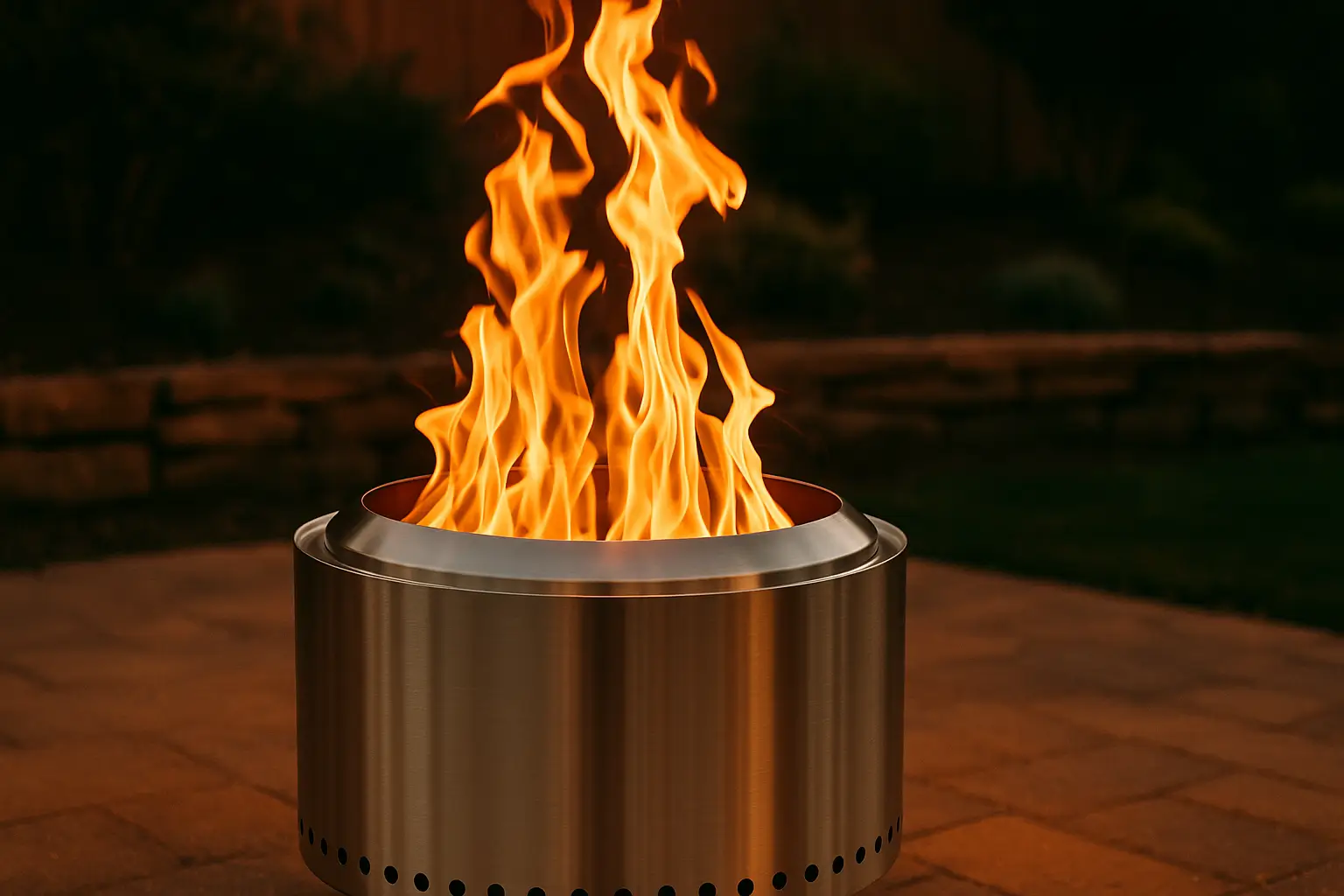
The Stainless Steel Advantage
Stainless steel fire pits represent the pinnacle of outdoor fire pit engineering. This premium material delivers corrosion resistance that stands up to salt air, occasional rain, and intense heat cycles without degrading. For homeowners across Cyprus, particularly in coastal areas from Limassol to Paphos and Larnaca, this resistance translates to fire pits that look new years after purchase rather than showing rust within a single season.
The secret lies in stainless steel’s composition. Chromium content creates a passive oxide layer that prevents rust formation, while nickel additions enhance corrosion resistance further. Unlike painted or coated steel that relies on surface treatments for protection, stainless steel resists corrosion throughout the entire material thickness.
Beyond durability, stainless steel brings contemporary sophistication to outdoor spaces. The clean, modern aesthetic complements minimalist architecture and Mediterranean design equally well. Brushed finishes create subtle visual interest, while polished surfaces make bold statements that catch and reflect firelight beautifully.
Types of Stainless Steel Used
304 Stainless Steel
The most common grade for fire pits, 304 stainless steel offers excellent corrosion resistance and heat tolerance at accessible price points. This austenitic steel contains approximately 18% chromium and 8% nickel, providing robust protection against everyday weathering and moderate coastal exposure.
For inland locations and covered patios where salt air exposure remains minimal, 304 stainless delivers exceptional performance and longevity. The material maintains its appearance with basic cleaning and withstands temperature extremes without warping or discoloring.
316 Marine-Grade Stainless Steel
Premium 316 stainless steel adds molybdenum to the alloy, dramatically improving resistance to chloride corrosion. This marine-grade material excels in harsh coastal environments where salt spray constantly challenges metal surfaces. For beachfront properties or locations within a few kilometers of the Mediterranean, 316 stainless represents the optimal choice.
While more expensive than 304, the investment proves worthwhile for those facing aggressive corrosive conditions. Marine-grade stainless maintains pristine appearance despite constant salt air exposure that would quickly deteriorate lesser materials.
Construction Quality Matters
Grade designation alone doesn’t guarantee quality. Thickness matters significantly. Premium stainless steel fire pits use heavy-gauge material (minimum 2-3mm) that resists thermal warping and maintains structural integrity. Thicker steel also improves heat retention and distribution.
Quality welding techniques create seamless, strong joints that won’t crack or separate over time. Precision manufacturing ensures tight component fitting and professional finishes without rough edges or visible defects.
Design Styles and Aesthetics
Modern Minimalist Designs
Sleek, geometric stainless steel fire pits with clean lines and simple forms suit contemporary outdoor spaces beautifully. These designs prioritize form purity, letting material quality and expert craftsmanship speak for themselves. Round bowls with subtle curves, angular square models, or cylindrical designs create striking focal points without visual clutter.
Minimalist stainless steel fire pits often feature hidden hardware, integrated handles, and refined proportions that demonstrate sophisticated design sensibility. These models transition seamlessly from modern apartments to luxury villas.
Industrial and Sculptural Options
Some stainless steel fire pits embrace industrial aesthetics with exposed rivets, visible welds, or mechanical details that celebrate the manufacturing process. Others take sculptural approaches, transforming functional fire features into artistic statements.
Perforated patterns, laser-cut designs, or geometric cutouts add visual interest while serving practical ventilation purposes. These decorative elements create beautiful shadow play as firelight flickers through openings.
Integrated Multi-Functional Designs
Contemporary stainless steel fire pits often incorporate additional functionality. Surrounding tables with brushed stainless surfaces provide space for drinks and snacks. Some models include built-in wood storage compartments beneath fire bowls. Others integrate water features or planters that create complete outdoor focal points.
These versatile designs maximize value in spaces where every element must earn its place, particularly important for compact urban patios or balconies.
Benefits Beyond Corrosion Resistance
Minimal Maintenance Requirements
Stainless steel fire pits demand far less attention than alternatives requiring regular painting, sealing, or rust treatment. Simple washing with mild soap and water maintains appearance. Occasional polishing with stainless steel cleaner restores shine to polished finishes.
The material doesn’t absorb moisture, preventing the gradual degradation that affects porous materials. This resistance means you can leave stainless steel fire pits outdoors year-round without constant worry, though covers still extend lifespan.
Heat Performance
Quality stainless steel tolerates extreme temperatures without warping, cracking, or discoloring. The material maintains structural integrity through countless heating and cooling cycles that would damage lesser metals. This stability ensures your fire pit performs consistently season after season.
Stainless steel conducts heat efficiently, distributing warmth evenly around the fire pit perimeter. The material also cools relatively quickly after fires extinguish, improving safety and allowing faster cleanup.
Longevity and Value
While stainless steel fire pits cost more initially, the investment pays dividends through extended lifespan. Quality models easily last 15-20 years or more with basic care, compared to 3-5 years for budget steel alternatives. Calculate cost per year of ownership rather than focusing solely on purchase price.
The material’s timeless appearance also means stainless steel fire pits never look dated. Unlike trendy finishes or colors that fall out of fashion, polished or brushed stainless remains perpetually contemporary.
Environmental Considerations
Stainless steel is highly recyclable, with most fire pits containing significant recycled content already. When a stainless steel fire pit eventually reaches end of life decades from now, the material can be fully recycled rather than ending up in landfills.
The extended lifespan also reduces environmental impact by eliminating the need for frequent replacements that consume additional manufacturing resources and energy.
Choosing Your Stainless Steel Fire Pit
Match Finish to Your Space
Brushed stainless creates subtle, sophisticated appearance with soft luster that hides minor scratches and fingerprints. This finish suits both contemporary and traditional settings, offering versatility that works across design styles.
Polished stainless delivers mirror-like shine and dramatic visual impact. The reflective surface catches and amplifies firelight, creating stunning effects after dark. However, polished finishes show fingerprints and require more frequent cleaning to maintain pristine appearance.
Bead-blasted or matte finishes provide modern industrial aesthetics with excellent scratch resistance. These treatments create uniform, non-reflective surfaces ideal for minimalist design schemes.
Size and Proportion
Stainless steel fire pits range from compact 50cm tabletop models to substantial 120cm ground installations. Consider your space carefully. Smaller patios and balconies benefit from proportionate models that don’t overwhelm, while expansive gardens can accommodate statement pieces.
The material’s strength allows thinner walls compared to cast iron, meaning stainless steel fire pits often feel lighter and more portable despite substantial dimensions.
Fuel Type Selection
Stainless steel construction works beautifully across all fuel types. Wood-burning stainless models offer authentic campfire experiences with superior heat tolerance. Gas versions provide convenient, controllable flames with burners that resist corrosion. Bioethanol tabletop options deliver clean-burning elegance in compact packages.
Choose fuel type based on your preferences and usage patterns rather than material limitations, as quality stainless steel accommodates all options excellently.
Care and Maintenance
Regular Cleaning
Wash stainless steel fire pits with warm soapy water and soft cloths or sponges after they cool completely. Avoid abrasive scrubbers that scratch finishes. For stubborn soot or stains, specialized stainless steel cleaners work effectively without damaging surfaces.
Rinse thoroughly after cleaning to remove all soap residue. Dry with clean towels to prevent water spots, particularly important for polished finishes in areas with hard water.
Addressing Discoloration
High heat can cause temporary discoloration or “heat tint” on stainless steel surfaces near flame zones. This rainbow-like effect is normal and doesn’t indicate damage. Specialized stainless steel polishes often minimize or remove heat tinting, though some users appreciate the character it adds.
For coastal locations, occasionally rinse your stainless steel fire pit with fresh water to remove salt deposits. While stainless resists corrosion, reducing salt accumulation maintains optimal appearance.
Protective Measures
Though stainless steel tolerates weather exposure well, covers still extend lifespan and reduce cleaning frequency. Quality covers protect against dust, debris, and prolonged moisture exposure during Cyprus’s rainy periods.
Store cushions and accessories separately to prevent moisture trapping between items. Ensure fire pits drain properly so water doesn’t pool inside bowls or chambers.
Installation and Setup
Surface Considerations
Stainless steel fire pits work on virtually any stable, heat-resistant surface. The material’s heat resistance and protective finishes make it suitable for concrete, stone, pavers, or dedicated fire pit pads. Even wooden deck installation is possible with appropriate heat shielding.
Ensure level placement for optimal stability and appearance. Uneven surfaces cause tipping risks and affect burning performance in wood or gel fuel models.
Portable vs. Built-In
Many stainless steel fire pits feature portable designs with handles or wheels. This flexibility lets you reconfigure outdoor spaces seasonally or move fire pits for different occasions. The material’s relative light weight compared to cast iron enhances portability.
Built-in stainless installations create permanent focal points integrated into comprehensive hardscaping. Gas connections and custom surroundings transform fire pits into complete outdoor rooms.
Safety Setup
Follow standard fire pit safety protocols regardless of premium materials. Maintain minimum 3-meter clearances from structures, overhanging elements, and combustibles. Position where smoke (if applicable) won’t drift into living spaces or toward neighbors.
Keep extinguishing equipment accessible. Even stainless steel fire pits involve open flames requiring responsible supervision and proper safety measures.
Maximizing Your Investment
Seasonal Enjoyment
Cyprus’s climate allows nearly year-round stainless steel fire pit use. The material performs flawlessly across temperature ranges from cool winter evenings to warm summer nights. Unlike materials that crack from thermal shock or warp from heat, stainless steel maintains consistency regardless of conditions.
Build smaller fires during warm seasons for ambiance, larger fires during cooler months for warmth. Your stainless steel fire pit adapts effortlessly to changing needs.
Entertaining Applications
Stainless steel’s clean appearance makes it ideal for formal entertaining where aesthetics matter. The material doesn’t detract from carefully curated outdoor décor schemes. Polished surfaces reflect and amplify lighting, creating elegant ambiance for dinner parties and celebrations.
For casual gatherings, stainless steel’s durability means you needn’t worry about accidental damage or appearance degradation from heavy use.
Long-Term Performance
Quality stainless steel fire pits maintain like-new appearance for decades. The investment in premium materials means your outdoor space looks perpetually updated rather than showing age through rusted, deteriorating fire features.
This longevity also provides excellent resale value for property owners. Quality outdoor amenities including stainless steel fire pits enhance property appeal and justify premium pricing.
Frequently Asked Questions
Does stainless steel rust or corrode over time?
Quality stainless steel fire pits resist rust and corrosion far better than carbon steel alternatives. The chromium content creates a protective oxide layer that prevents rust formation. Grade 304 stainless performs excellently in typical conditions, while marine-grade 316 offers superior protection in harsh coastal environments with salt air exposure. Minor surface discoloration from heat is normal and doesn’t indicate corrosion or structural damage. Proper care maintains pristine appearance for decades.
Are stainless steel fire pits worth the higher price?
For most buyers, yes. While stainless steel fire pits cost more initially, they last 15-20+ years with minimal maintenance compared to 3-5 years for budget steel options. The material eliminates rust concerns, requires less upkeep, and maintains appearance indefinitely. Calculate cost per year of ownership: a €900 stainless fire pit lasting 20 years costs €45 annually, while a €300 budget model lasting 4 years costs €75 annually. The long-term value strongly favors stainless steel.
Can stainless steel fire pits withstand high temperatures?
Absolutely. Quality stainless steel tolerates extreme heat without warping, cracking, or structural damage. The material maintains integrity through countless heating and cooling cycles that would destroy lesser metals. You may notice temporary heat discoloration near flame zones, creating rainbow-like tints, but this doesn’t affect performance or durability. Stainless steel’s heat resistance makes it ideal for wood-burning applications with intense temperatures.
How do I clean and maintain a stainless steel fire pit?
Maintenance is straightforward. Wash with warm soapy water and soft cloths after the fire pit cools completely. For stubborn deposits, use specialized stainless steel cleaners. Avoid abrasive scrubbers that scratch finishes. Rinse thoroughly and dry to prevent water spots. In coastal areas, occasionally rinse with fresh water to remove salt accumulation. Remove ash from wood-burning models regularly. Cover when not in use to reduce cleaning frequency. This simple routine keeps stainless fire pits looking excellent.
What’s the difference between 304 and 316 stainless steel?
Both grades offer excellent corrosion resistance, but 316 includes molybdenum for superior protection against chloride corrosion from salt exposure. For inland locations and covered patios, 304 stainless performs beautifully and costs less. For coastal properties within a few kilometers of the Mediterranean or beachfront locations, 316 marine-grade stainless justifies the premium through enhanced longevity in aggressive salt air environments. Consider your specific location and exposure when choosing.
Do stainless steel fire pits require special installation?
Portable stainless steel fire pits require no special installation beyond placing them on stable, heat-resistant surfaces with proper safety clearances. Built-in models or gas fire pits may need professional installation for gas connections and integration with hardscaping. The material itself doesn’t require special treatment, but follow standard fire pit safety protocols including minimum 3-meter clearances from structures and combustibles. Stainless steel’s durability makes it suitable for various surface types.
Can I use my stainless steel fire pit near the ocean?
Yes, especially if it’s made from marine-grade 316 stainless steel specifically designed for harsh coastal environments. Even 304 stainless performs well near the coast with regular maintenance. Rinse your fire pit periodically with fresh water to remove salt deposits, preventing accumulation that accelerates corrosion even on resistant materials. Stainless steel dramatically outperforms carbon steel, cast iron, or coated alternatives in coastal locations, making it the optimal choice for beachfront properties.
Will heat discolor my stainless steel fire pit?
High temperatures may cause temporary rainbow-like heat tinting on stainless steel surfaces near flame zones. This discoloration is cosmetic and doesn’t indicate damage or affect performance. Some users appreciate the character it adds, while others prefer removing it with specialized stainless steel polishes. The effect develops gradually with use and can be minimized through regular cleaning and occasional polishing. Heat tinting is normal for any stainless steel exposed to intense heat.
Are stainless steel fire pits suitable for wood burning?
Definitely. Stainless steel’s exceptional heat tolerance makes it excellent for wood-burning applications. The material withstands intense temperatures from hardwood fires without warping or degrading. Many premium wood-burning and smokeless fire pits use stainless steel construction precisely because it handles thermal stress better than alternatives. The corrosion resistance also means ash and moisture from wood burning won’t cause deterioration. Stainless steel works beautifully across all fuel types including wood, gas, and bioethanol.