
Rotating Cat Litter Boxes
Experience the revolutionary cleaning power of rotating cat litter boxes – the innovative solution that uses gentle rotation to separate waste from clean litter automatically. Our selection features top-rated rotating designs that offer whisper-quiet operation, thorough cleaning, and hassle-free maintenance. With their distinctive globe or drum design and self-cleaning technology, these rotating systems provide superior odor control and exceptional convenience. Browse our collection and enjoy convenient delivery throughout Cyprus. Transform your cat care routine with the elegance of rotation.
Showing all 2 resultsSorted by popularity
-
-40%IN STOCK
 IN STOCK
Cat Litter Boxes, Pet Supplies
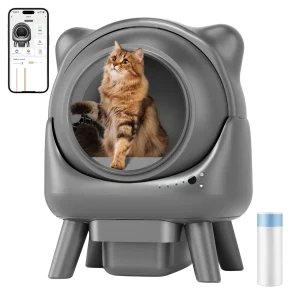
Original price was: 399,99 €.239,99 €Current price is: 239,99 €. Add to basket -
-34%IN STOCK
IN STOCK
Cat Litter Boxes, Pet Supplies
Original price was: 349,99 €.229,99 €Current price is: 229,99 €. Add to basket

Showing all 2 resultsSorted by popularity
Everything You Need to Know About Rotating Cat Litter Boxes
The rotating cat litter box has emerged as one of the most elegant and effective solutions in modern pet care. Unlike traditional litter boxes that require daily scooping or other automatic systems that use rakes or conveyors, rotating models employ a simple yet ingenious approach: they gently rotate the entire litter chamber to sift waste from clean litter.
This design has captured the attention of cat owners worldwide who appreciate its thorough cleaning action, quiet operation, and minimalist maintenance requirements. If you’re exploring automatic litter solutions, understanding how rotating systems work and what makes them special will help you determine if this innovative design is right for your home.
How the Rotating Mechanism Works
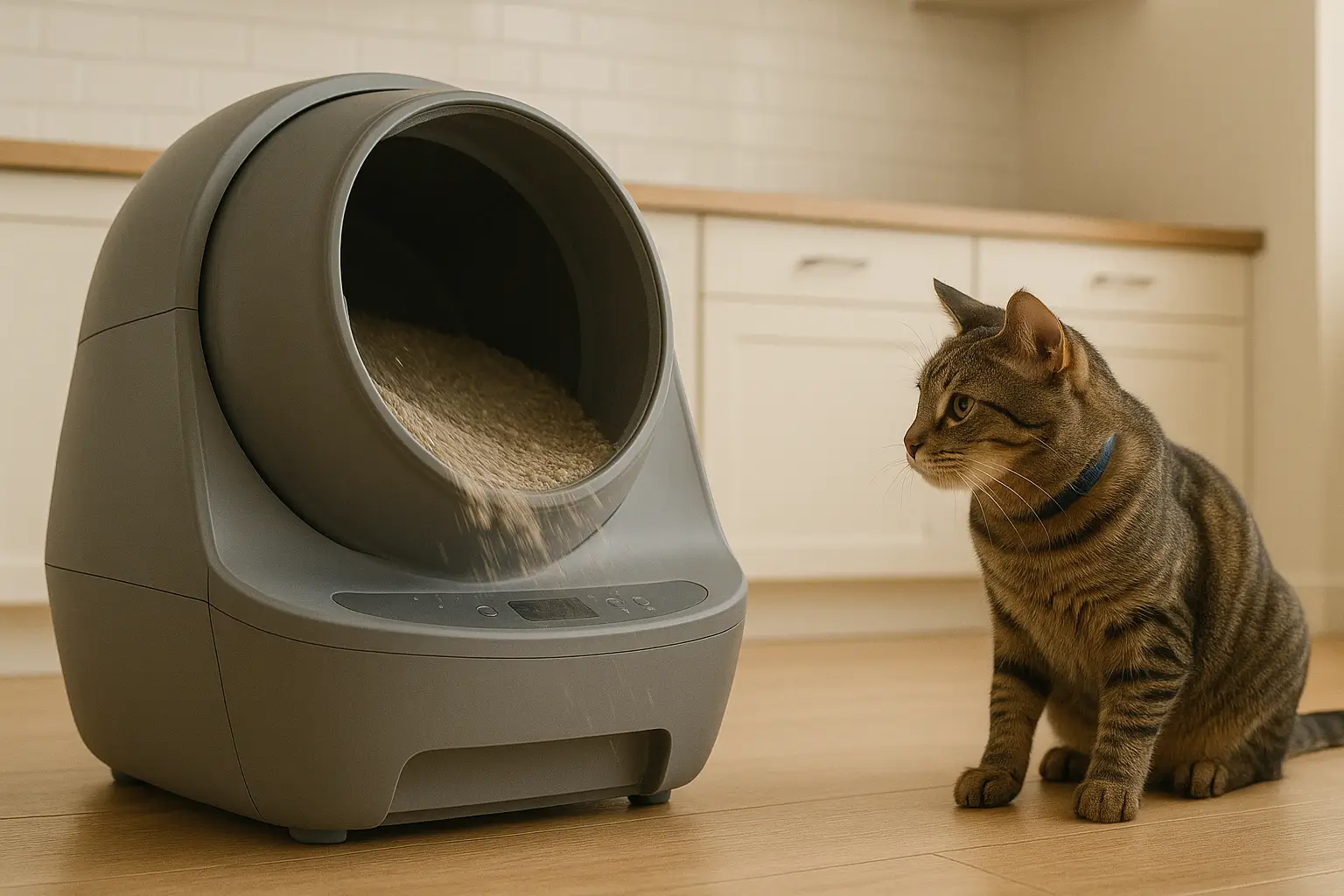
A rotating cat litter box features a spherical or cylindrical chamber that holds the litter and rotates on its axis to perform cleaning. After your cat uses the box and exits, sensors detect their departure and initiate a timer. Following a preset delay that allows clumps to solidify properly, the entire chamber slowly rotates. As it turns, a built-in screen or filter allows clean litter to pass through while capturing solid waste clumps. These clumps are guided into a separate waste drawer or compartment located beneath or beside the main chamber.
The rotation typically completes in 2-3 minutes, during which the chamber makes a full revolution or partial turns depending on the design. The gentle tumbling action mimics the natural sifting you would do manually but does it automatically and more thoroughly. Once the cycle completes, the chamber returns to its starting position with fresh, clean litter ready for your cat’s next visit. The entire process is remarkably efficient, removing virtually all waste while preserving the maximum amount of clean litter.
What makes the rotating cat litter box particularly effective is its comprehensive cleaning approach. Because the entire litter chamber rotates, every grain of litter is sifted, not just areas where a rake would pass. This means better odor control, more efficient litter usage, and a consistently cleaner environment for your cat. The rotating mechanism also tends to be self-leveling, redistributing litter evenly throughout the chamber so your cat always has adequate depth for comfortable digging and covering.
The Advantages of Choosing a Rotating Design
The primary appeal of a rotating cat litter box lies in its exceptional cleaning thoroughness. Where rake-style systems might miss waste in corners or leave some clumps behind, the rotating action ensures complete sifting of all litter. This comprehensive approach means less residual odor and a genuinely fresh experience for your cat every time they enter the box. The tumbling action also helps break up litter clumps that might otherwise become stuck, ensuring nothing remains in the clean litter.
Noise levels represent another significant advantage. A rotating cat litter box operates remarkably quietly compared to many automated alternatives. The gentle rotation produces minimal sound – usually just a soft whirring from the motor and the gentle tumbling of litter. There are no harsh mechanical raking sounds or sudden movements that might startle nervous cats. This quiet operation makes rotating designs ideal for placement in bedrooms, home offices, or any area where noise could be disruptive.
The distinctive appearance of a rotating cat litter box, particularly globe-style models, offers aesthetic appeal that many cat owners appreciate. Rather than looking like utilitarian pet equipment, these designs often resemble decorative spheres or modern furniture pieces. The enclosed nature of rotating boxes also provides privacy that many cats prefer, creating a cave-like environment where they feel secure during bathroom visits. This psychological comfort can be particularly beneficial for anxious cats or those in multi-pet households.
Understanding Different Rotating Cat Litter Box Styles
Globe designs represent the most iconic rotating cat litter box style. These spherical units feature a complete enclosure with a round entry opening. The globe sits on a base containing the motor and waste drawer. When activated, the entire globe rotates through the base, performing the sifting action. Globe designs are space-efficient, thoroughly enclose odors, and offer that distinctive aesthetic appeal. They’re particularly popular for their effectiveness with single cats and their ability to fit into various home décor styles.
Drum or cylinder rotating cat litter boxes offer a slightly different approach. These models feature an elongated chamber that rotates along a horizontal axis, similar to a clothes dryer. The larger footprint can accommodate bigger cats more comfortably and may provide more headroom for cats who don’t like feeling enclosed. Drum designs often have larger capacities and can handle multiple cats more easily than globe styles. The rotation mechanics are similar, but the shape provides different spatial dynamics.
Semi-automatic rotating models exist as a budget-friendly option. Rather than electric motors, these rotating cat litter boxes require manual rotation – you turn the chamber yourself, and the mechanical design sifts the waste into a collection tray. While not fully automatic, they still offer the superior cleaning action of the rotating mechanism at a fraction of the cost. These manual versions appeal to cat owners who want better cleaning than traditional boxes but aren’t ready for full automation.
Selecting the Perfect Rotating Cat Litter Box for Your Cat
Cat size significantly influences which rotating cat litter box will work best. Standard globe models typically accommodate cats up to 15-18 pounds comfortably, while larger designs can handle cats up to 25 pounds or more. The entry opening size matters as much as interior space – ensure your cat can enter and exit comfortably without squeezing. For large breeds like Maine Coons, Norwegian Forest Cats, or other sizeable felines, specifically seek out extra-large rotating models designed for their needs.
Your cat’s personality should inform your choice as well. Shy or anxious cats often appreciate the fully enclosed nature of a rotating cat litter box, as it provides privacy and security. However, some cats feel claustrophobic in enclosed spaces and prefer more open designs. If your cat has never used a covered box, observe their behavior with their current setup. Do they seem to prefer privacy, or do they like to survey their surrounundings while in the litter box? This preference can guide whether a globe or more open drum design suits them better.
Multi-cat households need to consider capacity carefully when selecting a rotating cat litter box. While one rotating unit can typically serve 2-3 cats, the waste drawer will fill more quickly, requiring more frequent emptying. Some larger drum-style rotating models are specifically designed for multiple cats, featuring extended waste compartments and more robust motors to handle increased usage. Alternatively, many multi-cat households find success with two rotating cat litter boxes, ensuring each cat always has access to a fresh, clean bathroom.
Setting Up and Introducing Your Rotating Cat Litter Box
Proper placement ensures your rotating cat litter box functions optimally. These units need adequate space for the rotation mechanism – globe designs require clearance on all sides, while drum models need space along their rotation axis. Position the box on a level, stable surface to prevent wobbling during rotation. Access to a power outlet is essential for electric models, ideally without extension cords that could present tripping hazards or be damaged by curious pets.
Initial setup involves assembling the base, installing the waste drawer system, and preparing the rotating chamber. Most rotating cat litter boxes require specific litter types and amounts for optimal performance. Clumping clay litter is standard, as it forms the solid clumps the rotating mechanism separates effectively. Follow the manufacturer’s recommended litter depth precisely – too little won’t allow proper clumping, while too much can strain the motor or prevent complete rotation.
The introduction process requires patience and strategy. Place your rotating cat litter box alongside your cat’s existing box initially. Allow your cat to investigate the new unit without activating it for the first few days. Once they’ve entered it and seem comfortable with the space, you can begin operating it, preferably when your cat isn’t nearby so they don’t associate the rotation with their presence. Most cats adapt to a rotating cat litter box within a week, though some may need longer. Keep both boxes available until your cat consistently chooses the rotating model.
Maintaining Your Rotating Cat Litter Box
Regular maintenance keeps your rotating cat litter box functioning smoothly for years. The most frequent task is emptying the waste drawer, which typically needs attention every 3-7 days depending on how many cats you have. This simple process takes just moments – remove the drawer, dispose of the collected waste, insert a fresh liner if your model uses them, and slide it back into place. The frequency increases with multiple cats but remains far less time-consuming than daily scooping.
Cleaning the rotating chamber should occur monthly or bi-monthly. This involves removing all litter, wiping down the interior surfaces with pet-safe cleaner, and cleaning the screen or filter mechanism that separates waste from clean litter. Pay particular attention to the screen, as litter dust can gradually accumulate and reduce its effectiveness. Some rotating cat litter box models feature removable screens that can be rinsed under running water, making this maintenance especially easy.
The rotation mechanism itself requires occasional attention. Check for litter that might have entered the motor housing or rotation track and remove it gently. Ensure the chamber seats properly in the base and rotates without wobbling or resistance. Most quality rotating cat litter boxes are designed for durability, but keeping moving parts clean prevents premature wear. Replace any worn seals or gaskets promptly to maintain the odor containment that makes these systems so effective.
Understanding Litter Requirements and Usage
The type of litter you use in your rotating cat litter box directly impacts its performance. Premium clumping clay litter works best, forming tight, solid clumps that the rotating mechanism easily separates. Avoid crystal, silica, or non-clumping litters unless your specific model explicitly supports them. Some newer rotating designs accommodate alternative litter types, but always verify compatibility before experimenting with different products.
Litter depth is critical for rotating cat litter boxes. Most models specify a fill line or recommend 3-4 inches of litter. This depth ensures adequate material for your cat to dig and cover while allowing the rotation mechanism to work effectively. Insufficient litter leads to incomplete coverage of waste and poor clumping, while excessive litter can prevent complete rotation or strain the motor. Check and adjust litter levels weekly, adding fresh litter to maintain the proper depth as clean litter is inevitably removed with waste clumps.
One benefit of a rotating cat litter box is superior litter efficiency. Because only waste clumps are removed and clean litter remains in the chamber, you’ll use significantly less litter overall compared to traditional boxes where you frequently dump the entire contents. Many users report reducing their litter consumption by 30-50%, which helps offset the initial investment in the rotating system over time.
Troubleshooting Common Issues
If your rotating cat litter box isn’t cycling properly, several factors might be responsible. First, verify the unit is on level ground – unlevel placement can prevent proper rotation. Check that litter depth is within specifications; too much litter is a common cause of rotation problems. Ensure the waste drawer is properly inserted and not overfilled, as this can block the rotation path. Inspect the chamber for any lodged debris or improperly formed clumps that might jam the mechanism.
Sensor issues occasionally arise in rotating cat litter boxes. If the unit cycles while your cat is inside or doesn’t cycle after use, the sensors may need cleaning. Litter dust can interfere with optical sensors, while weight sensors might need recalibration. Consult your user manual for specific sensor maintenance procedures. Most modern rotating cat litter boxes include multiple safety sensors that should prevent cycling while occupied, so if this occurs, discontinue use and contact customer support.
Odor problems with a rotating cat litter box usually indicate maintenance needs rather than design flaws. Check whether the carbon filter needs replacement – these typically last 1-3 months. Ensure the waste drawer is being emptied frequently enough and that the drawer seals properly. Deep clean the chamber to remove any residual odor-causing bacteria. If odors persist, try a different litter brand, as some control odors better than others.
Comparing Rotating Systems to Other Automatic Options
When deciding between a rotating cat litter box and rake-style automatic systems, consider the trade-offs. Rotating designs offer more thorough cleaning and quieter operation, while rake systems sometimes have larger capacities and lower price points. Rotating mechanisms are generally more reliable because they have fewer small moving parts that can jam. However, rake systems may offer more flexibility in litter types and are sometimes easier to clean quickly.
The enclosed nature of most rotating cat litter boxes provides superior odor control compared to open-design automatic systems. The spherical or cylindrical chamber, combined with sealed waste drawers, creates a nearly airtight system that contains smells effectively. This makes rotating designs particularly valuable for apartment living, studio spaces, or any situation where litter box odors could be problematic. The privacy also appeals to cats who prefer enclosed bathroom spaces.
Cost-wise, rotating cat litter boxes typically fall in the mid to premium range for automatic systems. They’re generally more expensive than basic rake designs but comparable to or less expensive than high-end smart litter boxes with extensive app features. The value proposition centers on reliability, thorough cleaning, and low maintenance rather than technological sophistication. For cat owners who prioritize effective automatic cleaning without complexity, rotating designs offer excellent value.
Special Considerations for Particular Situations
Senior cats with mobility issues often adapt well to rotating cat litter boxes with large entry openings. The low entry threshold on many designs makes access easier than traditional high-sided boxes. However, cats with arthritis or joint problems might struggle with entry if they’re required to squeeze through smaller openings on globe designs. Drum-style rotating models with wider openings may suit elderly cats better, or consider models specifically designed with accessibility features.
Kittens can use rotating cat litter boxes once they’re large enough to enter comfortably and trigger the weight sensors, typically around 4-5 pounds. The automatic cleaning helps maintain the pristine conditions young cats need while learning proper litter box habits. However, ensure the delay timer is set appropriately so the rotation doesn’t occur while a curious kitten is still investigating the box. Some owners prefer waiting until kittens reach adolescence before introducing them to automatic systems.
For travel or extended absences, a rotating cat litter box provides peace of mind that your cat’s bathroom will remain clean. Most models can operate unattended for a week or more with a single cat, provided the waste drawer has adequate capacity. Some premium rotating systems include app connectivity that allows monitoring from afar, though many standard models operate reliably without smart features. Always arrange for someone to check on your cat and empty the waste drawer if you’ll be gone beyond the normal service interval.
The Investment Perspective
Purchasing a rotating cat litter box represents a significant upfront investment, but the long-term benefits often justify the cost. Consider the time saved over the system’s lifespan – typically 5-10 years with proper maintenance. At just 10 minutes saved daily, you’ll recover over 600 hours across a decade. The value of this reclaimed time extends beyond simple calculation; it’s time you can spend enjoying your cat rather than managing their waste.
Health monitoring capabilities in some premium rotating cat litter boxes add another dimension of value. By tracking usage patterns, these systems can alert you to potential health issues early, potentially saving significant veterinary costs through early intervention. Even basic models without smart features improve your cat’s environment quality, reducing stress-related health issues caused by unclean litter box conditions.
Factor in the reduced litter consumption when evaluating cost-effectiveness. If you typically spend $20-40 monthly on litter and a rotating cat litter box cuts this by 40%, that’s $96-192 in annual savings. Over five years, these savings meaningfully offset the purchase price while providing superior convenience and cleanliness throughout that period.
Making Your Final Decision
Choosing a rotating cat litter box comes down to matching the technology to your specific needs. Assess your living space, your cat’s size and temperament, your budget, and your maintenance preferences. Globe designs offer iconic styling and excellent odor control in compact footprints. Drum models provide more space and capacity for larger cats or multiple felines. Manual rotating options deliver the cleaning benefits without electrical complexity or cost.
Read reviews from long-term users to understand reliability and real-world performance. The best rotating cat litter box is one that continues operating smoothly year after year, not just during the honeymoon period. Look for manufacturers with strong customer service records and comprehensive warranties. Quality construction and reliable motors are worth premium pricing when they mean years of trouble-free operation.
Experience the Rotating Revolution
The rotating cat litter box represents a thoughtful evolution in pet care technology – simple in concept, sophisticated in execution, and remarkably effective in practice. The gentle rotation that makes these systems work creates a consistently cleaner environment for your cat while dramatically reducing your maintenance burden. Whether you choose a classic globe design or a spacious drum model, you’re investing in a solution that enhances both your life and your cat’s comfort. As you explore the rotating cat litter box options available, you’re taking a significant step toward effortless, modern cat care that truly works.