
Percussion Massagers
Explore our professional selection of percussion massagers designed to transform your recovery and wellness routine. These advanced therapy devices deliver powerful, targeted relief for muscle tension, post-workout soreness, and everyday aches. From compact handheld models perfect for travel to professional-grade systems with extended battery life, our percussion massagers combine cutting-edge technology with user-friendly design. Ideal for athletes, fitness enthusiasts, professionals managing desk-related tension, or anyone seeking effective muscle care at home. Discover the therapeutic benefits of rapid percussion therapy and experience faster recovery, improved mobility, and lasting comfort.
Showing the single result
-
-43%IN STOCK
 IN STOCK
Massage Guns, Gym Accessories, Home Gym Equipment
Original price was: 69,99 €.39,99 €Current price is: 39,99 €. Add to basket
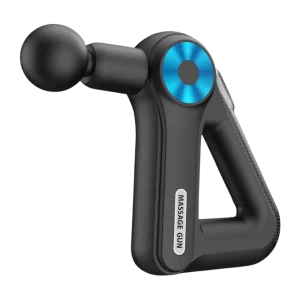
Showing the single result
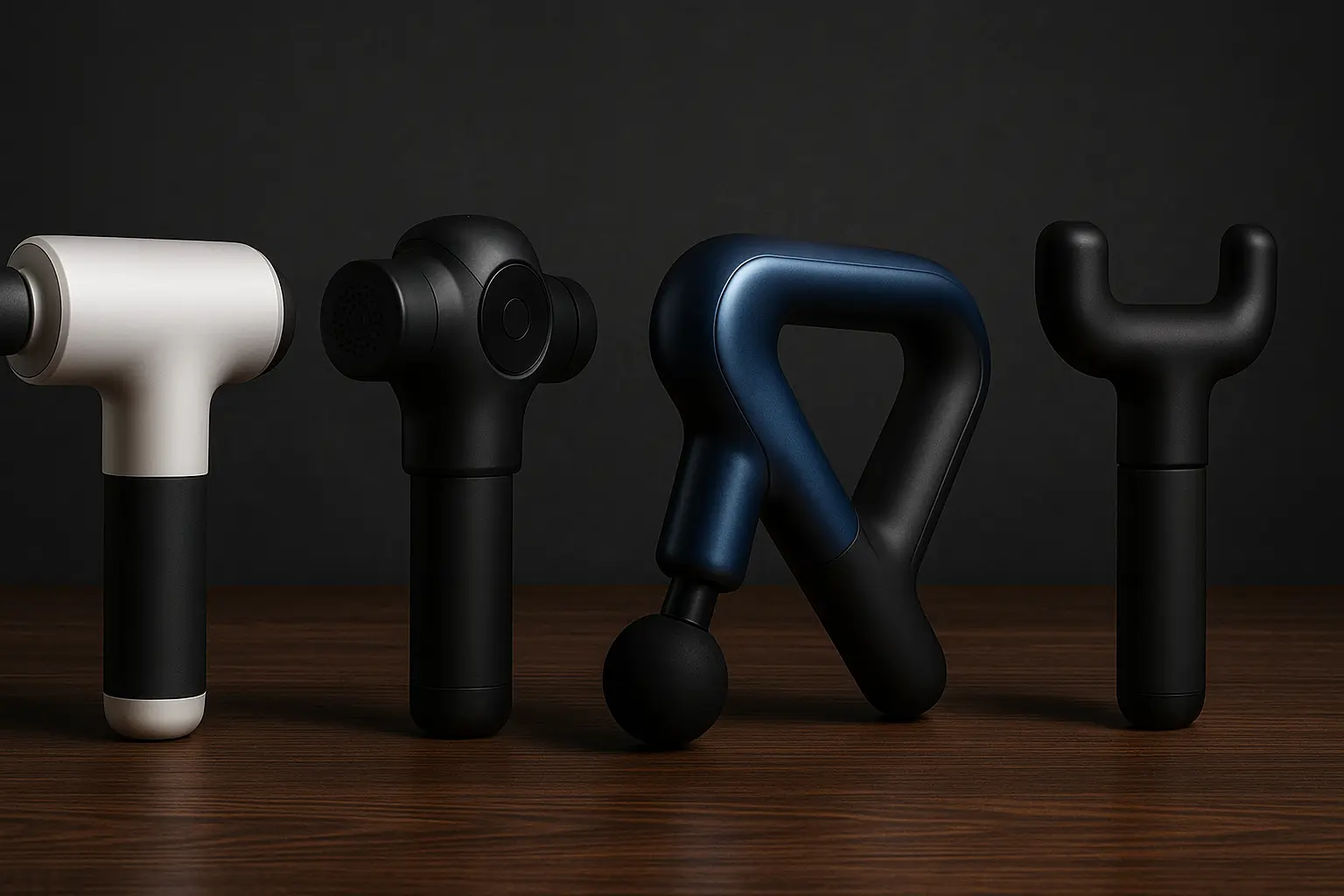
Understanding Percussion Massage Technology
The science of muscle recovery has evolved dramatically in recent years, and percussion massage therapy represents one of the most significant advances in accessible wellness technology. These sophisticated devices use rapid, repetitive strokes to penetrate deep into soft tissue, creating therapeutic effects that were once only available through professional treatment sessions.
At the core of every quality percussion device is a powerful motor that drives a massage head in a precise, hammering motion. This mechanical action delivers anywhere from 1,200 to 3,200 pulses per minute, depending on your selected intensity. The rapid percussion creates a unique form of stimulation that reaches muscle layers traditional massage techniques struggle to access.
For those living in Cyprus, where an active outdoor lifestyle is part of the culture, having professional-grade recovery tools at home means you can maintain peak performance whether you’re training in Limassol gyms, hiking mountain trails, or simply managing the physical demands of daily life.
How Percussion Therapy Benefits Your Body
Enhanced Circulation and Muscle Recovery
The rapid pulsing action of percussion massagers creates a pumping effect in muscle tissue, significantly increasing blood flow to treated areas. This enhanced circulation delivers oxygen and essential nutrients while removing metabolic waste products like lactic acid that accumulate during exercise. The result is faster recovery, reduced soreness, and improved muscle function.
Research consistently shows that improved circulation accelerates healing processes throughout the body. When you use percussion therapy after physical activity, you’re essentially giving your muscles the resources they need to repair and strengthen more efficiently.
Deep Tissue Tension Release
Unlike surface-level massage techniques, percussion therapy penetrates several centimeters into muscle tissue. This depth allows the treatment to address tension in the deepest muscle layers, breaking up adhesions and releasing chronic tightness that develops from repetitive movements, poor posture, or stress.
The mechanical vibrations also have a neurological effect, helping to interrupt pain signals and reset overactive muscle fibers. Many users report that areas of chronic discomfort respond particularly well to regular percussion treatment.
Flexibility and Mobility Enhancement
Tight, restricted muscles limit your range of motion and increase injury risk. Regular use of percussion massage helps maintain muscle elasticity and joint mobility. This is particularly valuable before physical activity, as pre-workout percussion can activate muscles and prepare them for movement, potentially enhancing performance and reducing injury likelihood.
Natural Pain Management
For those seeking alternatives to medication for muscle pain, percussion therapy offers a drug-free option. The combination of increased circulation, reduced muscle tension, and neurological effects creates meaningful relief from various types of muscular discomfort, from acute post-exercise soreness to chronic tension patterns.
Who Benefits from Percussion Massage Devices?
Serious Athletes and Competitors
Professional and amateur athletes alike have embraced percussion therapy as an essential recovery tool. Whether you’re training for marathons, competing in cycling events, or pursuing any athletic goal, these devices help you recover faster between sessions, maintain muscle health, and perform at your best.
Fitness and Wellness Enthusiasts
You don’t need to be a competitive athlete to benefit from professional recovery tools. Regular gym-goers, yoga practitioners, recreational sports players, and anyone committed to maintaining an active lifestyle will find percussion massage invaluable for managing the physical demands of consistent training.
Desk-Based Professionals
Hours spent at computers create their own physical challenges. Neck stiffness, shoulder knots, and lower back tension are occupational hazards of modern work life. A percussion massager on your desk or at home provides quick, effective relief that helps you stay comfortable and productive.
Physical Therapists and Wellness Practitioners
Many professionals in healthcare and wellness fields use percussion devices as part of their treatment protocols. The precise, controllable nature of these tools makes them valuable for therapeutic applications, though they also need devices robust enough to withstand frequent daily use.
Active Seniors
Maintaining muscle health and mobility becomes increasingly important with age. Percussion massagers offer a gentle yet effective way to keep tissues healthy, manage age-related stiffness, and support an active lifestyle throughout later years.
Selecting Your Ideal Percussion Massager
Motor Power and Amplitude
The motor is the heart of any percussion device. Amplitude, measured in millimeters, indicates how far the massage head travels with each stroke. Professional-grade devices typically offer 12-16mm amplitude, providing deep penetration suitable for large muscle groups and athletic recovery. Moderate amplitude options (10-12mm) work well for general wellness use, while lower amplitude devices suit sensitive individuals or targeting smaller muscle areas.
Stall force, another important specification, measures the motor’s ability to maintain speed under pressure. Higher stall force (around 25-30kg) means the device won’t slow down when pressed against muscle tissue, ensuring consistent therapeutic effect.
Variable Speed Control
Quality percussion massagers provide multiple speed settings to accommodate different needs and muscle groups. Entry-level devices might offer three speeds, while advanced models provide five or more distinct levels. This adjustability is crucial because optimal intensity varies based on whether you’re warming up, working on sensitive areas, or treating large muscle groups post-workout.
Look for devices with intuitive speed controls that you can adjust easily during use without interrupting your session.
Battery Technology and Runtime
Modern percussion devices use lithium-ion batteries, but capacity varies significantly. Budget options might provide 2-3 hours of use per charge, adequate for personal use. Mid-range devices typically offer 4-6 hours, suitable for households where multiple people share the device. Professional models can run 6-8 hours or more, essential for therapeutic practices or very frequent use.
Charging time also matters. Quick-charge capability allowing 80% charge in under two hours adds convenience to your routine.
Ergonomic Design and Handling
Since you’ll hold the device during treatment, weight and balance significantly impact user experience. Lighter models (under 1kg) reduce hand fatigue during extended sessions. The grip should feel secure and comfortable, with controls positioned for easy access without awkward hand positions.
Multi-grip designs allow you to hold the device in different ways depending on which body area you’re treating, making it easier to reach difficult spots like your own upper back or shoulders.
Noise Output
Early percussion devices were notoriously loud, limiting when and where you could use them. Modern quality devices operate much more quietly, typically producing 45-65 decibels of sound. This means you can use them while watching television, listening to music, or even in shared spaces without causing disturbance.
Quieter operation often correlates with higher quality components and better engineering, making noise level a useful indicator of overall device quality.
Attachment Head Variety
Different massage heads serve specific purposes. A comprehensive kit should include:
- Ball or round head: General use across most muscle groups
- Bullet or cone head: Precise trigger point work and deep tissue targeting
- Flat or cushion head: Large muscle groups and gentle treatment
- Fork or U-shaped head: Areas alongside the spine and around bones
- Wedge head: Shoulders and targeted muscle areas
Professional models often include six or more attachment options, allowing highly specialized treatment approaches.
Durability and Warranty
A percussion massager represents an investment in your wellness. Look for solid construction with metal components in high-stress areas. Quality devices should feel substantial and well-built rather than light and plasticky.
Warranty coverage indicates manufacturer confidence. Look for at least one year of coverage, though premium brands often provide two years or more. Good customer support is equally important should you need troubleshooting assistance or replacement parts.
Maximizing Your Percussion Therapy Results
Strategic Pre-Workout Application
Using your device before exercise activates muscles and prepares them for activity. Spend 30-60 seconds on each major muscle group you’ll be using during your workout. Keep the intensity moderate; you’re warming up tissue, not working out knots. This pre-activity routine increases blood flow, raises tissue temperature, and may help prevent injury while potentially improving performance.
Effective Post-Workout Recovery
This is when percussion massagers truly demonstrate their value. Within a few hours of completing your workout, systematically treat each worked muscle group for 1-2 minutes. Start at lower speeds and gradually increase as muscles relax. This post-exercise protocol helps flush metabolic waste, reduces inflammation, and significantly decreases next-day soreness.
For particularly intense training sessions, consider a second, lighter treatment the following morning to further support recovery.
Addressing Chronic Tension
For persistent problem areas like tight shoulders or lower back tension, daily targeted treatment often provides cumulative benefits. Use moderate speed and light pressure, moving slowly over the affected area. The key is consistency rather than intensity; regular, gentle treatment typically produces better results than aggressive, infrequent sessions.
Proper Technique Principles
Move the device slowly across muscle tissue, generally following the direction of muscle fibers. Avoid keeping the massage head stationary in one spot for more than a few seconds; continuous movement prevents bruising and ensures even treatment. Never apply percussion directly to bones, joints, injured areas, or anywhere you feel sharp pain.
For best results, keep target muscles relaxed rather than tensed. Holding the device at a slight angle rather than perpendicular to the skin often improves comfort and effectiveness.
Maintaining Your Percussion Massager
Regular Cleaning Practices
After each use, wipe the device body and attachment heads with a clean cloth. For more thorough cleaning, slightly dampen the cloth with water or a mild disinfectant solution, ensuring no liquid enters the motor housing. This prevents buildup of skin oils, sweat, and debris that could affect hygiene or performance.
Detachable heads can be washed with soap and water, but ensure they’re completely dry before reattaching and storing.
Proper Storage Methods
Most quality percussion massagers come with protective carrying cases. Use these for storage even when keeping the device at home, as they protect against dust, moisture, and accidental impacts. Store in a cool, dry location away from direct sunlight, which can degrade battery performance and plastic components over time.
If you live in coastal areas of Cyprus where humidity is higher, proper storage becomes even more important for protecting electronic components.
Battery Care
Modern lithium batteries perform best when maintained between 20% and 80% charge. Avoid regularly depleting the battery completely, as deep discharge cycles can reduce overall battery lifespan. If you won’t be using your device for an extended period, store it with approximately 50% charge.
Recharge the device every few months even during periods of non-use to maintain battery health.
Performance Monitoring
Pay attention to any changes in your device’s operation. Unusual noises, reduced power, or inconsistent speed can indicate issues requiring attention. Many problems can be resolved through simple troubleshooting, but persistent issues should be addressed through manufacturer support channels to prevent more serious damage.
Integrating Percussion Therapy into Daily Life
Consistency produces the best results with percussion massage. Rather than using your device only when problems arise, incorporate it into your regular routine. Many people find that dedicating 10-15 minutes daily to different muscle groups maintains overall comfort and mobility.
Consider your natural daily rhythms when planning percussion therapy sessions. Morning use can energize you for the day ahead while addressing overnight stiffness. Evening sessions promote relaxation and may improve sleep quality by releasing accumulated tension. Weekend sessions might be longer and more comprehensive, addressing areas you don’t have time for during busy weekdays.
Keep your device accessible rather than stored away in a closet. When it’s visible and within easy reach, you’re much more likely to use it consistently. Many users keep their percussion massager near their workout space, beside their favorite chair, or on their desk where they can grab it during work breaks.
Frequently Asked Questions
What makes percussion massagers different from regular handheld massagers?
Traditional handheld massagers typically use vibration, rotating nodes, or sustained pressure to affect surface muscle tissue. Percussion massagers use rapid, forceful strokes that penetrate much deeper into muscle layers, creating more significant therapeutic effects. The percussive action reaches tissue depths of several centimeters, addressing tension and promoting recovery in ways surface-level vibration cannot. This makes them particularly effective for athletic recovery, chronic deep tissue tension, and serious muscle care.
How frequently should I use my percussion massager?
You can safely use percussion therapy daily on different body areas. For any single muscle group, 1-2 minutes per session is typically sufficient. Athletes often use their devices twice daily, before and after training. For general wellness and tension management, 4-6 sessions per week usually provides excellent results. Listen to your body; if an area feels tender or sore, reduce frequency or intensity until it recovers.
Can percussion massagers help with specific injuries?
While these devices excel at general muscle care and recovery, they should not be used on acute injuries, inflamed areas, or unhealed wounds. Percussion therapy works best for preventing injuries through proper recovery, addressing chronic muscle tension, and supporting rehabilitation after the acute phase of injury has passed. Always consult healthcare professionals regarding specific injury treatment, and follow their guidance on when percussion therapy becomes appropriate.
Are percussion massage devices suitable for elderly users?
Absolutely. Many seniors find percussion massagers helpful for managing age-related muscle stiffness and maintaining mobility. The key is using appropriate intensity; older adults often prefer moderate speeds and lighter pressure. The ability to precisely control intensity makes these devices safe and effective across age groups. Seniors with specific medical conditions like osteoporosis should consult their healthcare provider before starting percussion therapy.
What intensity level should I start with?
Always begin at the lowest speed setting and gradually increase until you find a comfortable, effective level. You should feel deep pressure and muscle stimulation without pain or discomfort. Sensitive areas like the neck or areas close to bones require lower intensity than large muscle groups like thighs or calves. Most users find they prefer different intensities for different body areas and purposes, using lower speeds for sensitive work and higher speeds for post-workout recovery on large muscles.
How do percussion massagers compare in value to professional massage therapy?
Quality percussion devices represent a one-time investment that provides unlimited use, making them cost-effective compared to regular professional sessions. A single device paying for itself after 4-8 professional massages, depending on local pricing in Cyprus. However, these tools complement rather than replace professional therapy. Skilled therapists assess your overall condition, provide comprehensive treatment, and address complex issues requiring professional expertise. Think of your percussion massager as daily maintenance between professional sessions.
Will using a percussion massager cause bruising?
When used properly, percussion massagers should not cause bruising. Bruising typically results from excessive pressure, staying too long in one spot, or using too high an intensity on sensitive tissue. Always keep the device moving, use appropriate intensity for each area, and start gently when treating new body areas. If you’re prone to bruising or take blood-thinning medications, use lower intensities and consult your healthcare provider about percussion therapy safety.
Can I use a percussion massager on my neck and upper back?
Yes, but with caution. The neck contains delicate structures, so use only light pressure and lower speeds in this area. Never apply percussion directly to the spine itself; instead, work on the muscles alongside the spine. The fork-shaped attachment works particularly well for neck and upper back treatment. If you have any neck injuries, conditions, or concerns, consult a healthcare professional before using percussion therapy in this area.
How long do percussion massagers typically last?
Quality devices with proper care should provide several years of reliable service. Budget models might last 1-2 years with regular use, while mid-range and premium devices often function well for 3-5 years or longer. Battery life eventually degrades, but many manufacturers offer battery replacement services. The most common long-term issues involve battery capacity reduction rather than motor failure. Investing in a quality device with good warranty coverage provides the best long-term value.
Do I need different devices for different family members?
One quality percussion massager can serve an entire household. The adjustable intensity and interchangeable heads allow customization for different users and needs. Simply clean the attachment heads between users for hygiene. However, households where multiple people want to use the device simultaneously, or where usage needs vary dramatically (such as a professional athlete and someone wanting gentle wellness use), might benefit from having two devices at different price points.