
Muscle Guns
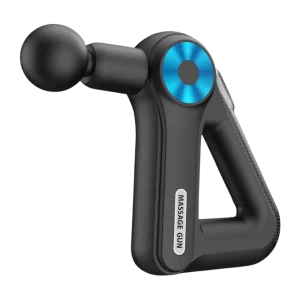
Discover our complete selection of muscle guns designed for recovery, performance, and everyday wellness. Whether you’re an athlete pushing your limits, a fitness enthusiast managing post-workout soreness, or someone seeking relief from daily tension, a muscle gun delivers targeted percussion therapy right where you need it. Our curated range features powerful motors, adjustable speeds, and ergonomic designs that make professional-grade muscle recovery accessible at home or on the go. Browse our collection and find the perfect percussion massager to complement your active Cyprus lifestyle.
Showing the single result
-
-43%IN STOCK
 IN STOCK
Massage Guns, Gym Accessories, Home Gym Equipment
Original price was: 69,99 €.39,99 €Current price is: 39,99 €. Add to basket
Showing the single result
Your Complete Guide to Muscle Guns and Percussion Therapy
Recovery is just as important as the workout itself. For anyone leading an active life in Cyprus, from gym enthusiasts in Nicosia to trail runners in the Troodos Mountains, having the right recovery tools can make all the difference between consistent progress and frustrating setbacks. Percussion massage devices have revolutionized how we approach muscle care, offering professional-level therapy in a portable, user-friendly format.
These innovative devices use rapid, concentrated pulses to penetrate deep into muscle tissue, promoting blood flow, reducing tension, and accelerating recovery. What once required expensive spa visits or specialized therapy sessions is now available at your fingertips. Whether you’re dealing with post-exercise soreness, chronic tension from desk work, or general muscle fatigue, percussion therapy offers a versatile solution that adapts to your needs.
Understanding Percussion Massage Technology
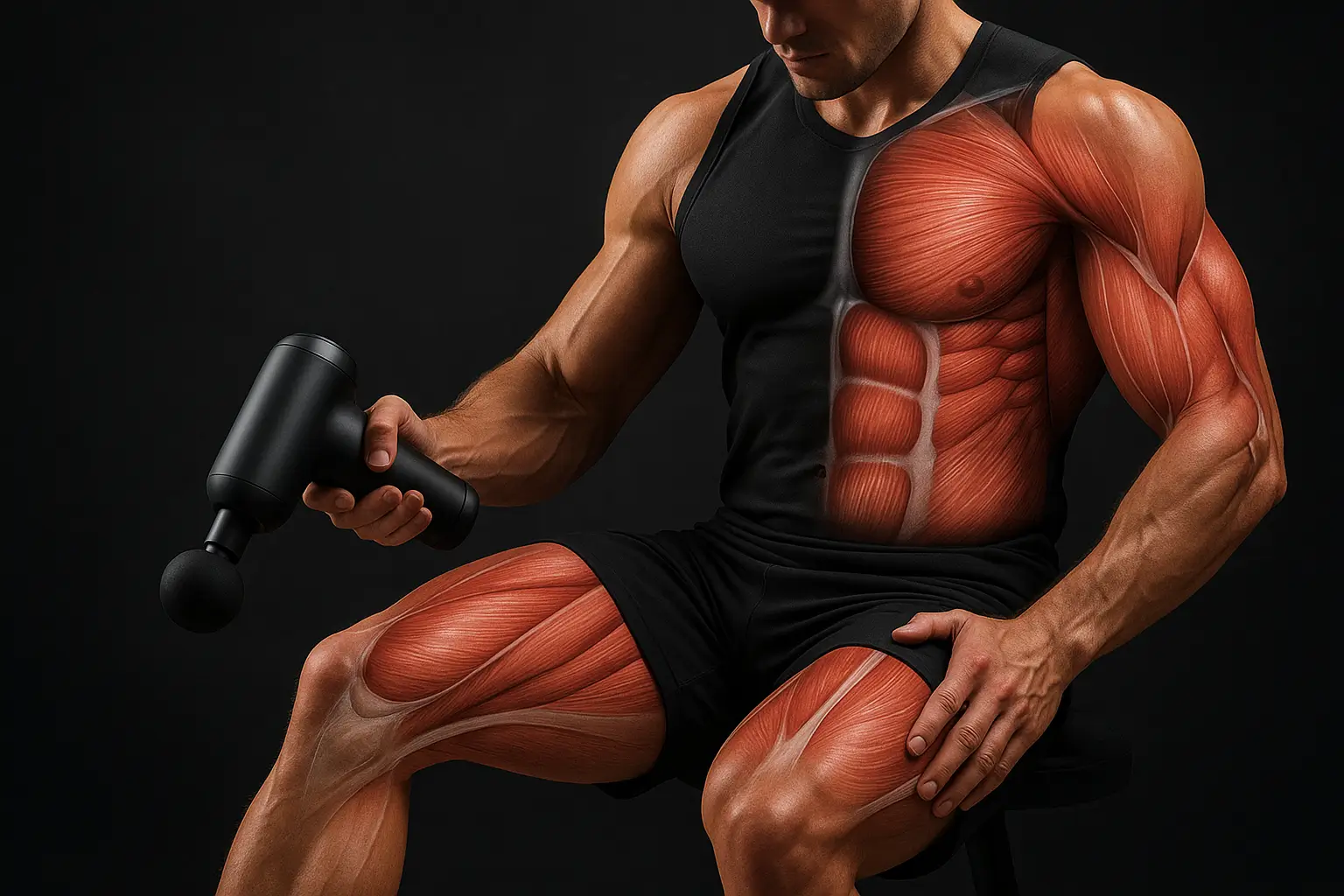
Percussion massage works by delivering rapid bursts of pressure deep into muscle tissue. Unlike traditional massage techniques that rely on sustained pressure or kneading motions, these devices use a hammering action that can reach muscles several layers deep. This mechanical stimulation triggers several beneficial responses in your body.
The rhythmic pulsing increases blood circulation to the treated area, delivering fresh oxygen and nutrients while flushing out metabolic waste products like lactic acid. This enhanced circulation is crucial for muscle repair and can significantly reduce recovery time after intense physical activity. The percussion also helps break up adhesions and knots in muscle tissue, restoring flexibility and range of motion.
For those living Cyprus’s active lifestyle, where outdoor activities and sports are part of daily life, having access to effective recovery tools at home means you can maintain consistency in your training without being sidelined by muscle soreness or tightness.
Key Benefits of Using Percussion Massagers
Accelerated Muscle Recovery
After a challenging workout or a long day of physical activity, your muscles need time to repair and rebuild. Percussion therapy speeds up this process by enhancing circulation and reducing inflammation. Many users report significantly reduced soreness when they use their massage gun within hours of exercising.
Pain Relief and Tension Management
Chronic muscle tension affects millions of people, whether from poor posture, repetitive movements, or stress. The deep tissue stimulation provided by these devices can offer substantial relief from persistent discomfort. The mechanical action helps relax tight muscle fibers and can interrupt the pain-spasm cycle that keeps muscles locked in uncomfortable positions.
Improved Flexibility and Range of Motion
Tight muscles restrict movement and increase injury risk. Regular use of percussion massage before and after activity helps maintain muscle pliability, allowing for fuller range of motion during exercise and daily activities. This is particularly valuable for athletes and anyone engaged in flexibility-focused practices like yoga or pilates.
Convenience and Accessibility
Perhaps one of the greatest advantages is having professional-grade muscle therapy available whenever you need it. No appointments, no travel, and no waiting. You can address muscle issues immediately, whether you’re at home, at the gym, or traveling around the island.
Who Should Consider a Percussion Massager?
Athletes and Fitness Enthusiasts
If you’re training regularly, whether for competition or personal fitness, a muscle gun becomes an essential part of your recovery toolkit. Runners, cyclists, CrossFit athletes, and gym-goers all benefit from the targeted relief these devices provide. They’re especially valuable for addressing sport-specific problem areas like tight calves for runners or shoulder tension for swimmers.
Office Workers and Professionals
Spending hours at a desk creates its own set of physical challenges. Neck stiffness, shoulder tension, and lower back discomfort are common complaints among professionals. A percussion massager offers quick relief during breaks or after work, helping counteract the physical toll of sedentary work.
Active Seniors
Maintaining mobility and managing age-related muscle stiffness becomes increasingly important as we age. Percussion therapy offers a gentle yet effective way to keep muscles healthy and flexible, supporting an active lifestyle well into later years.
Anyone Managing Chronic Tension
Whether from physical demands, stress, or medical conditions, chronic muscle tension affects quality of life. These devices provide a non-pharmaceutical option for managing ongoing discomfort and maintaining muscle health.
How to Choose the Right Muscle Gun for Your Needs
Selecting the perfect percussion massager involves considering several key factors. Understanding these elements will help you make an informed decision that matches your specific requirements and budget.
Amplitude and Stroke Length
Amplitude refers to how far the massage head travels with each stroke, typically measured in millimeters. Devices with higher amplitude (12-16mm) penetrate deeper into muscle tissue, making them ideal for larger muscle groups and athletic recovery. Lower amplitude options (8-10mm) work well for general use and sensitive areas.
Speed Settings and Customization
Quality devices offer multiple speed settings, typically ranging from 1,200 to 3,200 percussions per minute. This adjustability is crucial because different muscle groups and situations require different intensity levels. Look for devices with at least three speed settings, though five or more provides excellent versatility.
Battery Life and Charging
Consider how you’ll use your device. If you travel frequently or train away from home, longer battery life (3-6 hours) becomes important. Quick charging capability is also valuable, allowing you to top up the device between uses. Most modern options use USB-C charging, which is convenient and widely compatible.
Weight and Ergonomics
Since you’ll be holding the device for several minutes at a time, weight matters. Lighter models (under 1kg) are easier to maneuver and less fatiguing during extended use. The grip design should feel comfortable and secure, allowing you to reach different body areas without strain.
Noise Level
Nobody wants a device that sounds like a construction tool. Quality percussion massagers operate quietly, typically under 60 decibels, allowing you to use them while watching television or even in shared spaces without causing disruption.
Attachment Variety
Different massage heads serve different purposes. A standard ball head works for general use, while a bullet head targets trigger points precisely. Flat heads suit larger muscle groups, and fork attachments work well for areas around bones like the spine. A good starter kit includes at least four attachment types.
Build Quality and Durability
Look for devices with solid construction, quality materials, and good warranty coverage. A well-built muscle gun should provide years of reliable service. Metal components in high-stress areas generally outlast plastic alternatives.
Getting the Most from Your Percussion Massager
Pre-Workout Activation
Using your device before exercise helps prepare muscles for activity. Spend 30-60 seconds on each major muscle group you’ll be using, working at a moderate speed. This increases blood flow and muscle temperature, potentially improving performance and reducing injury risk.
Post-Workout Recovery
This is when percussion therapy truly shines. Within a few hours of finishing your workout, spend 1-2 minutes on each worked muscle group. Start at a lower speed and gradually increase as the muscle relaxes. This helps flush out metabolic waste and reduces next-day soreness.
Targeting Specific Problem Areas
For chronic tension or trigger points, you can spend additional time on problem areas. Use a slower speed and lighter pressure, allowing the percussion to gradually release the tension. Never force the device into painful areas; let the tool do the work while you maintain light contact.
Proper Technique Matters
Move the device slowly across muscle tissue, following the direction of muscle fibers. Avoid staying in one spot for more than a few seconds, and never use percussion massage directly on bones, joints, or injured tissue. For best results, relax the target muscle rather than flexing it during treatment.
Care and Maintenance Tips
Keeping your muscle gun in excellent condition ensures long-term reliability and optimal performance. After each use, wipe down the device and attachments with a clean, slightly damp cloth. This prevents buildup of oils, sweat, and debris that could affect function or hygiene.
Store your percussion massager in its carrying case when not in use. This protects it from dust, moisture, and accidental damage. Keep it in a cool, dry place away from direct sunlight, as excessive heat can affect battery performance over time.
Charge the battery regularly, even if you’re not using the device frequently. Modern lithium batteries perform best when they’re kept between 20% and 80% capacity. Avoid letting the battery completely drain, as this can reduce its overall lifespan.
Check attachments periodically for wear or damage. Most quality devices have replaceable heads, so you can maintain optimal performance over years of use. If you notice any unusual noises, vibrations, or performance changes, consult the manufacturer’s troubleshooting guide.
For devices used frequently or in humid Cyprus conditions, occasionally check for dust or debris in the motor housing ventilation. Keeping these areas clear ensures proper cooling and extends motor life.
Integrating Percussion Therapy into Your Routine
The key to maximizing benefits is consistency. Rather than viewing your muscle gun as something you use only when problems arise, incorporate it into your regular wellness routine. Many people find that spending just 10-15 minutes daily with their device, addressing different muscle groups each session, keeps them feeling mobile and pain-free.
Morning sessions can help shake off overnight stiffness and prepare your body for the day ahead. Evening use promotes relaxation and can contribute to better sleep quality by releasing accumulated tension. Experiment with timing to discover what works best for your schedule and needs.
Consider keeping your device accessible rather than stored away. When it’s visible and within reach, you’re more likely to use it consistently. Many people keep theirs near their workout area, beside their work desk, or in their living room where they can easily grab it during downtime.
Common Questions About Muscle Guns
How often should I use my muscle gun?
You can safely use a percussion massager daily on different muscle groups. For any single area, 1-2 minutes per session is typically sufficient. Listen to your body; if an area feels tender, reduce intensity or frequency. Most people find that using their device 4-6 times per week provides excellent results without overdoing it.
Can muscle guns help with cellulite?
While percussion therapy primarily targets muscle tissue, increased circulation and lymphatic drainage may have minor effects on skin appearance. However, these devices are not specifically designed for cellulite reduction, and you shouldn’t purchase one solely for this purpose. Their primary value lies in muscle recovery and tension relief.
Are percussion massagers safe for everyone?
Most people can safely use a muscle gun, but certain conditions require caution or avoidance. Avoid using these devices if you’re pregnant, have a pacemaker, suffer from thrombosis, or have acute injuries or inflammation. If you have any medical conditions or concerns, consult your healthcare provider before starting percussion therapy.
What’s the difference between cheap and expensive models?
Price differences typically reflect motor quality, battery life, build materials, and noise levels. Budget options (under €100) often have weaker motors, shorter battery life, and louder operation. Mid-range devices (€150-250) offer good performance and durability. Premium models (€300+) provide professional-grade power, exceptional battery life, and whisper-quiet operation. For most users, a quality mid-range muscle gun provides excellent value.
How long does a muscle gun battery last?
Battery life varies significantly between models. Entry-level devices might provide 2-3 hours of use per charge, while premium options can run for 6-8 hours. For most users, even moderate battery life is sufficient since typical sessions last only 10-15 minutes. Consider your usage patterns; if you’ll use it daily or share it with family members, longer battery life adds convenience.
Can I travel with my percussion massager?
Absolutely. Most modern muscle guns are designed with portability in mind. They fit easily in carry-on luggage or gym bags. The lithium batteries used in these devices are generally airline-safe, though it’s wise to check with your airline regarding specific restrictions. Having your recovery tool available while traveling helps maintain your routine and addresses the muscle fatigue that often accompanies long journeys.
Will a muscle gun replace my need for professional massage?
While percussion therapy offers significant benefits, it complements rather than replaces professional massage therapy. Licensed therapists provide comprehensive treatment, assess your overall condition, and address complex issues that require professional expertise. Think of your muscle gun as a valuable tool for daily maintenance and recovery between professional sessions.
How do I know which speed setting to use?
Start low and gradually increase until you find a comfortable, effective level. Sensitive areas and warm-up sessions typically work best at lower speeds (1,200-1,800 percussions per minute). Larger muscle groups and post-workout recovery can handle higher speeds (2,400-3,200 percussions per minute). Pain or discomfort means you should reduce speed or pressure.
Is it normal to feel sore after using a percussion massager?
Mild soreness similar to post-massage tenderness is normal, especially when you first start using the device or work on particularly tight areas. This should resolve within 24 hours. If you experience significant pain or soreness that persists, you may be using too much pressure or spending too long on individual areas. Reduce intensity and duration.
What’s the difference between a massage gun and a foam roller?
Both tools serve muscle recovery, but they work differently. Foam rollers use your body weight to create sustained pressure, requiring more physical effort and providing broader, more general treatment. Muscle guns deliver targeted, deep percussion with minimal effort, allowing precise treatment of specific areas. Many people find both tools valuable, using them for different purposes within their recovery routine.