
Cat Treadmills
Keep your indoor cat healthy, active, and entertained with our innovative cat treadmills collection. Designed for apartment living and indoor environments across Cyprus, these specialized exercise machines provide essential physical activity for cats who don’t venture outdoors. Whether you’re managing a high-energy feline, supporting weight loss goals, or simply enriching your cat’s daily routine, cat treadmills offer controlled, safe exercise opportunities regardless of weather or outdoor access. Explore our range of manual and motorized options suitable for cats of all sizes, activity levels, and fitness needs.
Showing the single result
-
-20%PRE-ORDER
 PRE-ORDER
Cat Wheels, Cat Furniture, Pet Supplies
Original price was: 149,99 €.119,99 €Current price is: 119,99 €. Pre Order Now!

Showing the single result
Why Cat Treadmills Make Sense
Indoor cats face unique health challenges. Without natural hunting opportunities, climbing trees, or exploring territory, many house cats struggle with obesity, boredom, and pent-up energy that manifests as destructive behavior. Cat treadmills address these issues by providing structured physical activity in controlled environments.
For Cyprus pet owners living in apartments or keeping cats exclusively indoors for safety reasons, exercise equipment offers practical solutions. Urban areas like Nicosia, Limassol, and Larnaca have growing populations of indoor-only cats whose owners seek alternatives to outdoor access. Cat treadmills deliver cardiovascular exercise, mental stimulation, and healthy outlets for natural feline energy.
These specialized machines differ significantly from human treadmills. They’re designed specifically for feline biomechanics, safety requirements, and behavioral patterns. Enclosed designs prevent cats from jumping off during use, while appropriate belt speeds accommodate natural feline gaits from walking to running.
Health Benefits for Indoor Cats
Weight Management and Obesity Prevention
Obesity affects a significant percentage of indoor cats, leading to diabetes, joint problems, and reduced lifespan. Regular treadmill sessions burn calories, build muscle, and support healthy metabolism. Combined with appropriate feeding, consistent exercise helps cats achieve and maintain optimal body condition.
Treadmill exercise provides measurable, controllable activity levels. You can track duration, speed, and frequency to create effective fitness routines tailored to your cat’s specific needs and progress.
Mental Stimulation and Enrichment
Physical activity stimulates cats mentally as well as physically. The movement, changing scenery (on models with visual elements), and focused activity engage natural instincts. Well-exercised cats exhibit less destructive behavior, reduced anxiety, and improved overall temperament.
Regular exercise routines also provide structure that many cats find comforting. Predictable activity times create daily rhythms that reduce stress and behavioral issues common in under-stimulated indoor cats.
Cardiovascular Health
Like humans, cats benefit from regular cardiovascular exercise. Treadmill sessions strengthen heart and lungs, improve circulation, and support overall vitality. This becomes particularly important as cats age and naturally become less active.
Controlled exercise also helps cats recover from injuries or surgeries under veterinary guidance. The ability to adjust speed and duration makes treadmills valuable rehabilitation tools.
Types of Cat Treadmills
Manual Cat Treadmills
Manual models use the cat’s own movement to turn the belt, similar to curved human treadmills. These simple, quiet designs require no electricity and offer completely cat-controlled pacing. Manual treadmills work well for cats who naturally enjoy running and don’t need speed motivation.
The self-powered nature means cats can start, stop, and adjust pace instinctively. However, some cats won’t engage with manual models without significant training and motivation.
Motorized Electric Treadmills
Electric cat treadmills feature adjustable motor-driven belts with variable speed settings. These models allow precise control over workout intensity and duration. Motorized options work better for cats who need gentle encouragement to maintain activity or for structured rehabilitation protocols.
Quality motorized cat treadmills include safety features like emergency stops, enclosed designs preventing escapes, and quiet motors that don’t frighten nervous cats. Remote controls let you adjust settings without disturbing your cat’s rhythm.
Enclosed Wheel Designs
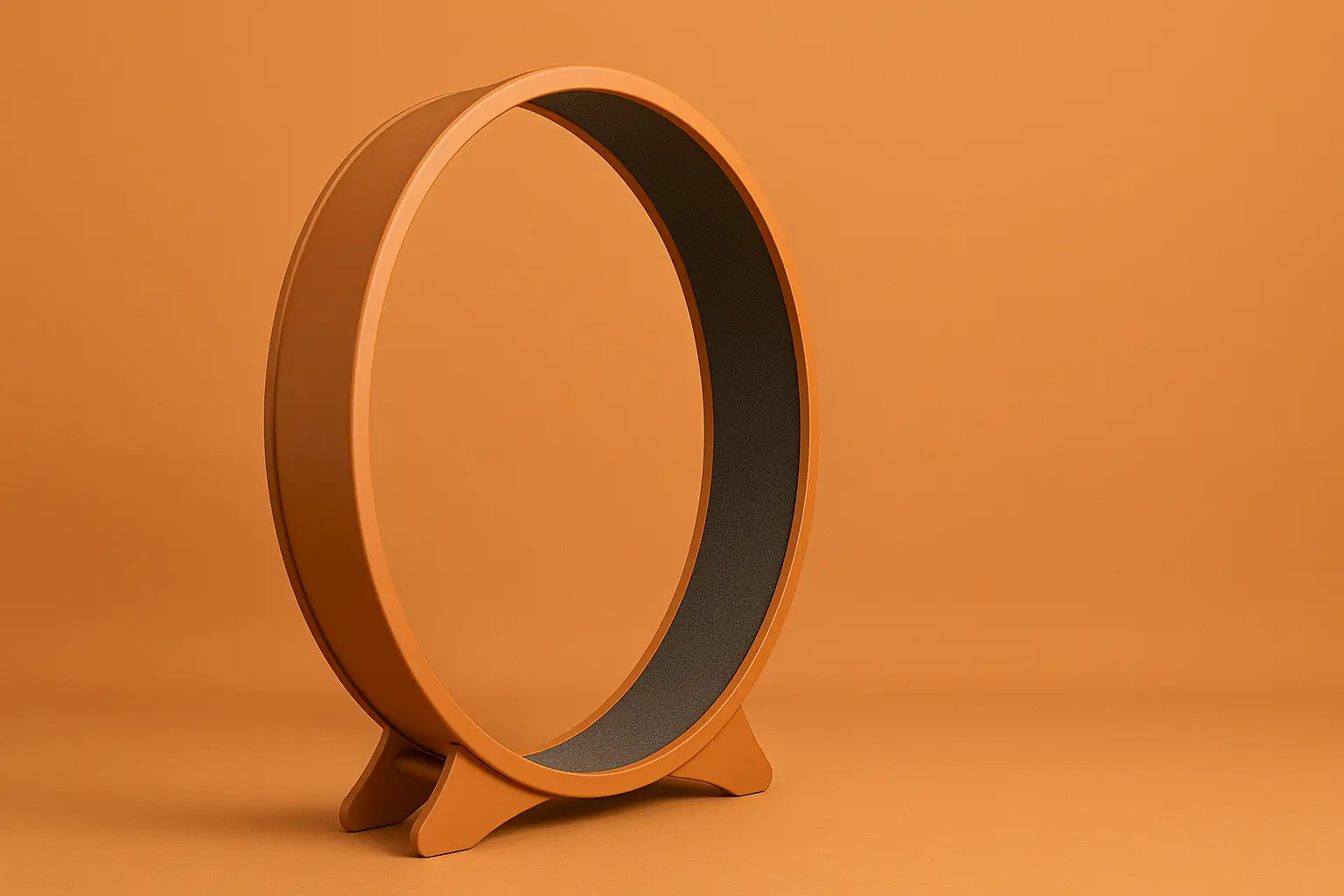
Some cat exercise equipment uses enclosed wheel configurations similar to hamster wheels but sized appropriately for cats. These designs appeal to cats’ natural curiosity about enclosed spaces while providing excellent running surfaces. The circular motion creates self-reinforcing momentum that many cats find engaging.
Wheel designs typically require less floor space than traditional treadmill configurations, making them suitable for compact apartments common in Cyprus’s urban areas.
Choosing the Right Cat Treadmill
Size and Weight Capacity
Cat treadmills must accommodate your cat’s current size plus any anticipated growth for kittens. Most models specify maximum weight capacities ranging from 7-15kg. Measure your cat’s length and height to ensure adequate running surface and headroom in enclosed models.
Larger cats and breeds like Maine Coons require more substantial equipment than average domestic cats. Verify dimensions carefully before purchasing.
Safety Features
Enclosed sides or clear barriers prevent cats from jumping off during use, essential for safe operation. Emergency stop mechanisms should be easily accessible. Non-slip running surfaces provide secure footing at all speeds.
Look for stable bases that won’t tip or shift during use. Exposed moving parts should be protected to prevent injury to curious cats who investigate their equipment.
Noise Levels
Cats are sensitive to sound. Noisy motors or belt mechanisms frighten many cats, making exercise equipment unusable. Quality motorized treadmills feature quiet operation that won’t startle or stress your pet.
Manual models generally produce minimal noise, though belt materials and construction quality affect sound levels. Check reviews specifically mentioning noise if your cat is particularly sound-sensitive.
Adjustability and Features
Variable speed controls on motorized models let you customize workouts as your cat’s fitness improves. Some advanced treadmills include timers, distance tracking, or even built-in toys that encourage engagement.
Adjustable incline features add workout variety and intensity, though these remain less common on cat-specific equipment than human treadmills.
Training Your Cat to Use a Treadmill
Introduction and Familiarization
Success requires patience and positive associations. Place the treadmill in your cat’s regular environment while turned off, allowing investigation at their own pace. Add treats, favorite toys, or catnip to create positive associations with the equipment.
Feed meals near or on the stationary treadmill to build comfort and familiarity. This process may take days or weeks depending on your cat’s personality and confidence level.
Gradual Progression
Once comfortable with the stationary treadmill, introduce very slow movement for just seconds at a time. Reward calm behavior immediately. Gradually increase duration and speed over multiple sessions, never pushing your cat beyond their comfort level.
Some cats adapt within days, while others need weeks or months. Respect individual timelines and never force participation, which creates negative associations.
Motivation Techniques
Use favorite treats, interactive toys, or laser pointers to encourage movement on the treadmill. Some cats respond to verbal encouragement or the presence of their favorite humans nearby.
Schedule sessions when your cat naturally has energy rather than during typical rest periods. Most cats show peak activity during dawn and dusk hours.
Building Routine
Consistency helps cats accept treadmill exercise as normal parts of their daily routines. Aim for the same time each day if possible. Start with short 5-minute sessions and gradually extend to 15-20 minutes as fitness improves.
Monitor your cat’s response carefully. Panting, excessive fatigue, or reluctance may indicate sessions are too intense or long.
Practical Considerations for Cyprus Owners
Climate and Indoor Exercise
Cyprus’s hot summers make outdoor cat exercise challenging or dangerous during peak heat hours. Indoor treadmills provide year-round exercise opportunities regardless of temperature. Air-conditioned homes create comfortable environments for cat workouts even during July and August heat.
The mild winters also mean cats may be less motivated to move naturally, making structured exercise more valuable for maintaining healthy activity levels year-round.
Space Requirements
Most cat treadmills require modest floor space of approximately 1-1.5 square meters. This fits comfortably in average Cyprus apartments. Enclosed wheel designs need even less space, often fitting in corners or against walls.
Consider placement near windows where cats can watch outdoor activity for additional mental stimulation during treadmill sessions.
Electrical Considerations
Motorized treadmills require standard electrical outlets. Verify your chosen location has accessible power. Extension cords should be appropriate gauge for the treadmill’s power requirements and safely routed to prevent tripping hazards.
Manual and wheel designs eliminate electrical needs entirely, offering placement flexibility anywhere in your home.
Maintenance and Care
Regular Cleaning
Cat hair accumulates on belts, in wheel grooves, and around moving parts. Vacuum or brush these areas weekly to maintain smooth operation. Wipe running surfaces with pet-safe cleaners to remove oils from paw pads.
Check for debris caught in mechanisms that could cause damage or create safety hazards. Regular cleaning extends equipment lifespan significantly.
Mechanical Maintenance
Lubricate moving parts according to manufacturer recommendations, typically every few months. Check belt tension and alignment periodically, adjusting as needed. Loose belts affect performance and may create safety risks.
Inspect for wear on running surfaces, replacing belts or wheels when they show significant degradation. Worn surfaces reduce traction and comfort.
Safety Inspections
Before each use, verify all safety features function properly. Test emergency stops, check barrier integrity, and ensure stable positioning. Address any wobbling, unusual noises, or mechanical issues immediately.
Keep the area around the treadmill clear of obstacles that could interfere with safe operation or emergency access.
Integrating Treadmills into Cat Care
Complementary Activities
Treadmills work best as part of comprehensive enrichment programs. Combine with climbing trees, puzzle feeders, interactive toys, and play sessions for well-rounded mental and physical stimulation.
Variety prevents boredom with any single activity and addresses different aspects of feline behavioral needs.
Veterinary Consultation
Discuss treadmill exercise with your veterinarian, especially for cats with health conditions, obesity, or age-related concerns. Vets can recommend appropriate intensity levels and help design exercise programs supporting specific health goals.
For cats recovering from injuries or surgeries, professional guidance ensures therapeutic exercise benefits rather than harms recovery.
Monitoring Progress
Track your cat’s weight, body condition, energy levels, and behavior changes as you establish exercise routines. Positive changes in mobility, playfulness, and overall health indicate successful integration of treadmill exercise.
Adjust programs based on results and your cat’s ongoing response to ensure continued benefits.
Frequently Asked Questions
Will my cat actually use a treadmill?
Success varies by individual cat personality, but many cats can learn to use treadmills with patient training and positive reinforcement. Food-motivated cats often adapt more quickly. Start with very short sessions and build gradually. Some cats take to it immediately, while others need weeks of familiarization. Younger, more active cats generally show more interest than elderly or very sedentary cats. Realistic expectations and commitment to training significantly improve success rates.
How long should cats exercise on treadmills?
Begin with just 5-minute sessions and gradually increase to 15-20 minutes once your cat is comfortable and fit. Most cats benefit from daily sessions, though some do well with every-other-day routines. Monitor your cat for signs of fatigue including excessive panting, stopping repeatedly, or trying to exit the treadmill. Adjust duration and intensity based on individual fitness levels, age, and health status. Consult your veterinarian for personalized recommendations.
Are cat treadmills safe?
Quality cat treadmills designed specifically for felines are generally safe when used properly. Look for enclosed designs preventing jumps during operation, emergency stop mechanisms, non-slip surfaces, and stable bases. Always supervise treadmill sessions, especially initially. Never force reluctant cats onto operating equipment. Start with very slow speeds and short durations. Follow manufacturer guidelines and discontinue use if your cat shows stress or fear. Proper training and gradual introduction minimize risks significantly.
What’s the difference between cat and human treadmills?
Cat treadmills are specifically designed for feline biomechanics, size, and safety needs. They feature enclosed sides or barriers preventing escapes, appropriate belt widths for cat gaits, lower speed ranges suitable for cats (typically up to 10-12 km/h), and compact sizes fitting cat proportions. Never use human treadmills for cats as they lack essential safety features and operate at inappropriate speeds and dimensions for feline use.
How much do cat treadmills cost?
Quality cat treadmills typically range from €150-€600 depending on features, size, and whether they’re manual or motorized. Basic manual models start around €150-€250. Mid-range motorized options cost €300-€450. Premium designs with advanced features reach €500-€600 or more. While significant investments, they provide years of use supporting your cat’s health. Consider cost against veterinary expenses for obesity-related conditions that regular exercise helps prevent.
Can overweight cats use treadmills safely?
Yes, with proper precautions and veterinary guidance. Treadmills are actually excellent tools for feline weight loss when combined with appropriate feeding. Start very gradually with obese cats, using slowest speeds for just 3-5 minutes initially. Build duration and intensity slowly over weeks or months as fitness improves. Monitor breathing and watch for excessive fatigue. Your veterinarian can help design safe, effective exercise programs appropriate to your cat’s current condition and weight loss goals.
Do I need to supervise my cat on the treadmill?
Always supervise, at least initially and ideally for all sessions. Even well-trained cats can have unexpected reactions. Supervision allows you to stop the treadmill immediately if problems arise, adjust speed if your cat struggles, and provide encouragement. Never leave cats unattended on operating treadmills. Once routines are well-established and your cat shows complete comfort, brief nearby presence may suffice, but remain close enough to intervene quickly if needed.
Will treadmill exercise replace playtime?
No, treadmills complement but don’t replace interactive play, climbing opportunities, puzzle toys, and other enrichment activities. Cats need variety in their stimulation and exercise. Treadmills provide excellent cardiovascular workouts, but interactive play strengthens bonds with you and engages different instincts. Aim for comprehensive enrichment programs addressing multiple aspects of feline behavioral and physical needs. Think of treadmills as one valuable tool among many.
Are there alternatives to cat treadmills?
Yes. Cat exercise wheels offer similar benefits with different designs. Interactive toys like feather wands, laser pointers (used carefully), and motorized mice encourage activity. Climbing trees and cat furniture promote movement. Puzzle feeders create mental and physical engagement during feeding. Multiple cats often play together, providing exercise. However, treadmills offer uniquely controlled, measurable, consistent cardiovascular exercise difficult to achieve through other means, especially for single indoor cats.