
Wood Burning Fire Pits
Experience the authentic charm of real flames with our wood burning fire pits. Designed for those who appreciate the crackling sounds, natural aroma, and timeless ritual of tending a wood fire, these fire pits bring genuine warmth to gardens and patios across Cyprus. From traditional bowl designs to modern engineered systems, our selection offers something for every outdoor space and aesthetic preference. Whether you’re roasting marshmallows with family, hosting evening gatherings, or simply enjoying the mesmerizing dance of flames, wood burning fire pits create unforgettable outdoor moments that connect us to nature’s most elemental comfort.
Showing the single result
-
-43%IN STOCK
 IN STOCK
Fire Pits, Outdoor & Garden, Outdoor Heating
Original price was: 69,99 €.39,99 €Current price is: 39,99 €. Add to basket

Showing the single result
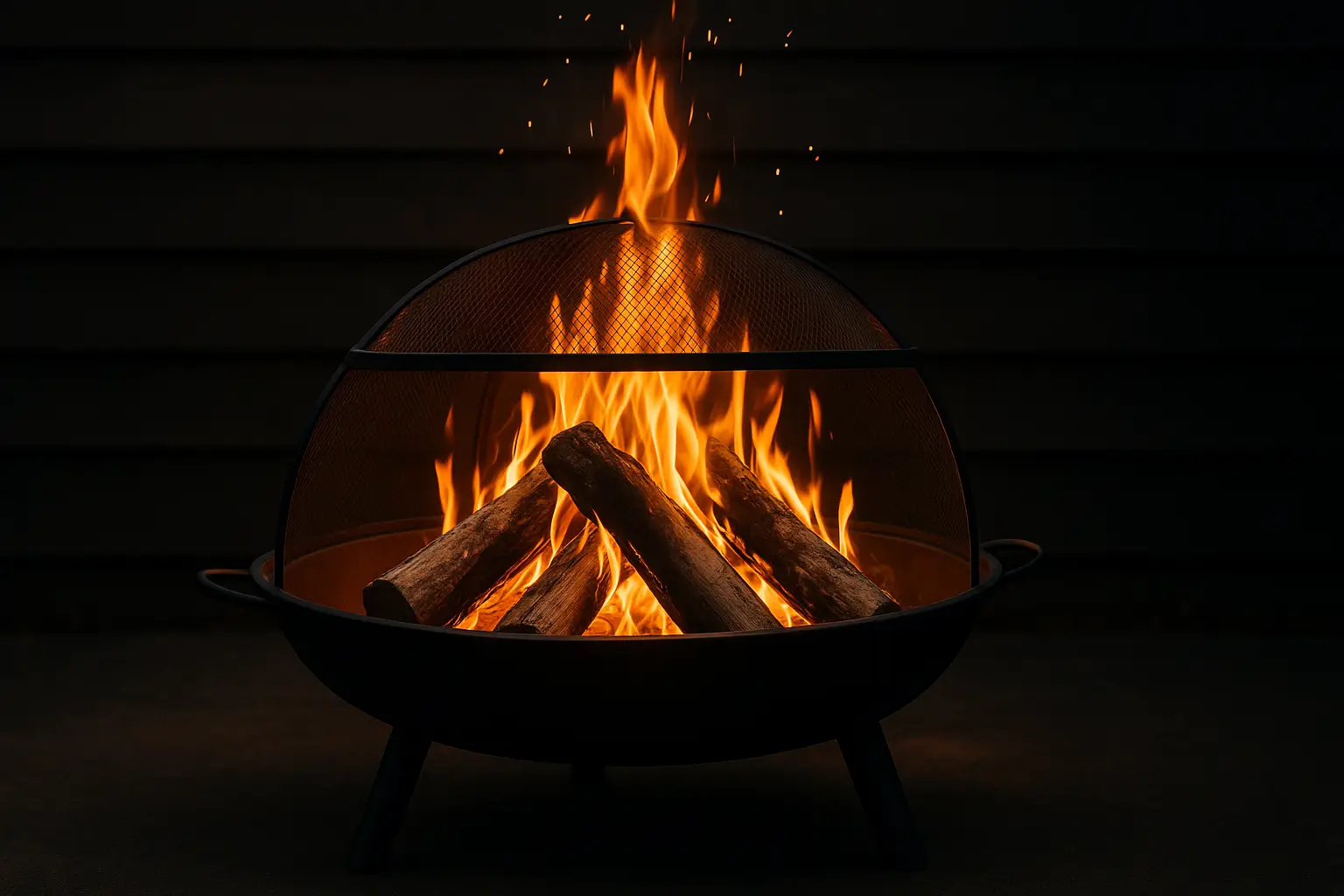
The Timeless Appeal of Wood Fire
Nothing quite compares to the authenticity of a wood burning fire pit. The distinctive crackling and popping of burning logs, the aromatic smoke drifting into evening air, the primal satisfaction of building and tending flames create a sensory experience that modern alternatives struggle to replicate. For homeowners across Cyprus who value tradition and genuine connection with the outdoors, wood burning fire pits offer unmatched atmosphere.
These classic fire features have evolved significantly while maintaining their essential character. Modern designs incorporate improved airflow systems, better heat distribution, and enhanced safety features without sacrificing the elemental pleasure of burning real wood. Whether you’re drawn to rustic cast iron bowls reminiscent of ancient gathering places or sleek contemporary steel designs that complement modern architecture, wood burning fire pits bridge past and present beautifully.
The ritual of selecting wood, arranging kindling, nurturing flames from spark to roaring fire, then watching embers fade to glowing coals creates a meditative rhythm that slows our pace and draws us into the moment. This tactile, engaging process is precisely what many people seek as counterbalance to digital, automated modern life.
Understanding Wood Burning Fire Pit Design
Traditional Bowl and Basin Styles
Classic fire bowls feature simple, time-tested designs with wide openings and minimal complexity. These workhorses focus on function over features, providing straightforward wood burning in attractive containers. The open design allows easy fire tending and excellent viewing from all angles.
Basin-style fire pits sit lower to the ground, often with wider diameters that create broad, spreading flames. These models work beautifully for larger gatherings where multiple people want proximity to the fire. The lower profile also reduces wind interference in exposed locations.
Raised and Pedestal Models
Elevated fire pits lift flames to more comfortable viewing heights while improving airflow underneath. The raised design enhances combustion efficiency and makes fire tending easier on your back. Pedestal bases create architectural interest while keeping the fire chamber away from ground moisture.
These styles work particularly well on stone patios or concrete surfaces where the decorative base becomes part of the overall aesthetic. The elevation also helps protect surrounding surfaces from extreme heat.
Fire Pit Tables and Multi-Functional Designs
Combination designs integrate fire pits into functional furniture pieces. Wide surrounding ledges provide space for drinks, plates, or decorative elements. When the fire isn’t burning, covers transform these units into regular outdoor tables.
Multi-functional wood burning fire pits appeal to those with limited space who want maximum versatility. Some models include grilling grates, cooking accessories, or removable components that adapt to different uses throughout the year.
Material Choices and Durability
Steel Fire Pits
Carbon steel offers excellent heat tolerance and affordability, making it the most common material for wood burning fire pits. Quality matters significantly with steel models. Thicker gauge steel (3-4mm minimum) resists warping from intense heat better than thin alternatives.
Look for powder-coated or high-temperature painted finishes that protect against rust. In Cyprus’s coastal areas, this protection becomes especially important as salt air accelerates corrosion. Regular maintenance extends steel fire pit lifespan considerably.
Stainless Steel Construction
Premium stainless steel fire pits resist corrosion naturally without relying on protective coatings. The material maintains its appearance with minimal maintenance and tolerates Cyprus’s seaside environment exceptionally well. Stainless construction costs more initially but often proves economical over time through extended durability.
The clean, modern aesthetic of stainless steel suits contemporary outdoor spaces beautifully. Brushed or polished finishes create striking focal points that complement minimalist design schemes.
Cast Iron Classics
Cast iron represents the traditional choice for wood burning fire pits. This dense material absorbs and radiates heat exceptionally well, providing warmth that continues even after flames die down. The substantial weight creates stability that lighter materials can’t match.
However, cast iron requires dedicated maintenance. The material rusts readily when exposed to moisture, demanding regular seasoning and protective storage. For those willing to invest the care, cast iron develops character and patina that many find appealing.
Corten and Weathering Steel
Corten steel intentionally develops a protective rust layer that prevents deeper corrosion while creating distinctive orange-brown coloring. This weathering process produces unique patinas that evolve over time, ensuring no two fire pits look identical.
The rustic, industrial aesthetic suits Mediterranean gardens and contemporary landscapes equally well. Corten requires no painting or coating, and the rust layer actually protects underlying metal from deterioration.
Selecting the Right Wood Burning Fire Pit
Size Considerations
Diameter determines both heat output and gathering capacity. Compact 60cm models suit intimate settings of 2-4 people and fit comfortably on smaller patios. Medium 75-90cm fire pits accommodate 4-8 people with room for comfortable seating distances. Large 100cm-plus models serve big gatherings and spacious gardens.
Consider your typical group size and available space. A fire pit should feel proportional to its surroundings without overwhelming the area or seeming lost in a vast garden.
Depth and Fuel Capacity
Deeper fire bowls hold more wood, supporting longer burn times between refueling. However, very deep chambers can make fire tending awkward and restrict airflow to bottom logs. Ideal depths range from 20-35cm, balancing fuel capacity with practical fire management.
Fuel capacity affects how often you’ll need to add wood during an evening. Larger capacities mean less interruption but require storing and handling more firewood overall.
Airflow and Ventilation
Proper ventilation dramatically improves burning efficiency. Look for fire pits with cutout designs, raised bases, or dedicated air vents that allow oxygen to reach flames from below. Better airflow means cleaner burning, less smoke, and more complete combustion that maximizes heat output.
Some modern wood burning fire pits incorporate engineered airflow systems inspired by smokeless technology. While not completely smoke-free, these designs significantly reduce smoke production compared to basic bowl models.
Portability Requirements
Portable wood burning fire pits include handles, wheels, or lightweight construction that allows repositioning. This flexibility suits people who enjoy rearranging outdoor spaces or want the option to move their fire pit for different occasions.
Permanent installations or very heavy models create dedicated focal points that anchor outdoor living areas. Consider whether you value flexibility or stability more when choosing between portable and stationary options.
Fuel Selection and Fire Building
Choosing Quality Firewood
Properly seasoned hardwood makes all the difference in wood burning fire pit performance. Wood moisture content should be below 20% for optimal burning. Wet or green wood produces excessive smoke, burns inefficiently, and creates creosote buildup.
In Cyprus, olive wood provides excellent heat output with a pleasant aroma, though availability varies seasonally. Oak, beech, and other hardwoods burn hot and long. Avoid softwoods like pine which contain more resin that causes smoking and popping.
Sourcing and Storage
Purchase firewood from reputable suppliers who kiln-dry or properly season their stock. Store wood in covered areas protected from rain, elevated off the ground to prevent moisture absorption. Even in Cyprus’s dry climate, proper storage maintains wood quality.
Cut or split wood to appropriate sizes for your fire pit dimensions. Pieces 30-40cm long and 8-12cm thick work well for most residential fire pits. Having various sizes available allows you to build and maintain fires more easily.
Building and Maintaining Fires
Start with crumpled paper or natural firestarters at the center, surrounded by small kindling arranged in a teepee or log cabin structure. As kindling catches, gradually add larger pieces, allowing each addition to ignite before adding more.
Maintain airflow by avoiding overpacking the fire pit. Wood needs oxygen space to burn efficiently. Position logs with gaps between them rather than stacking tightly. Add fresh wood to established fires gradually rather than smothering flames with too much fuel at once.
Safety and Responsible Use
Proper Placement
Position your wood burning fire pit at least 3 meters from structures, fences, overhanging branches, or flammable materials. Check above for adequate clearance, ensuring no awnings, trees, or power lines sit within the heat and spark zone.
Choose level, stable, non-combustible surfaces. Stone, concrete, or dedicated fire pit pads work well. Avoid placing directly on wooden decks without substantial heat shielding. Grass areas may require protection to prevent scorching.
Fire Management
Never leave burning fires unattended. Keep water sources, fire extinguishers, or sand buckets readily accessible. Use spark screens or mesh covers when wind picks up to prevent embers from escaping the fire pit.
Monitor fire size appropriate to conditions. Smaller fires suit windy evenings, while calm nights allow larger blazes. Always check local fire restrictions, particularly during Cyprus’s dry summer months when fire risk increases.
Extinguishing and Cleanup
Allow fires to burn down to ash rather than extinguishing large flames if time permits. When ready to fully extinguish, spread out burning logs and coals, then carefully apply water while stirring to ensure all material is soaked. Repeat until nothing smokes or steams.
Let ashes cool completely, ideally overnight, before removal. Store in metal containers away from combustible materials for at least 24 hours before disposal. Even seemingly cold ashes can harbor heat that reignites.
Maintenance for Longevity
Regular Cleaning
Remove accumulated ash regularly to maintain airflow and prevent corrosive buildup. Once cooled, ash can be disposed of in gardens as it provides beneficial minerals for plants, or added to compost.
Clean exterior surfaces periodically to remove soot and dirt. Steel wool or wire brushes work for stubborn deposits on steel and cast iron. Stainless steel benefits from specialized cleaners that restore shine.
Rust Prevention and Treatment
Inspect steel fire pits regularly for rust formation. Address spots immediately by removing rust with wire brushes, then applying high-temperature resistant paint. This prevents small issues from becoming structural problems.
Cast iron requires seasoning similar to cookware. Apply thin coats of cooking oil after cleaning, then heat to create protective layers. Store cast iron fire pits in dry locations during extended non-use periods.
Weather Protection
Cover wood burning fire pits when not in use, even in Cyprus’s predominantly dry climate. Quality covers protect against dust, occasional rain, and UV degradation. Moisture accelerates rust formation, particularly in coastal regions.
During the rare rainy season, consider storing valuable fire pits in garages or sheds. This extra effort significantly extends lifespan and maintains appearance.
Enhancing Your Experience
Cooking Capabilities
Many wood burning fire pits excel at outdoor cooking. Use adjustable grill grates for classic barbecuing, cast iron cookware placed directly on coals, or specialized camping cookware suspended over flames.
The hardwood coals from burned-down fires provide excellent cooking heat similar to charcoal grilling. Plan your evening timing to build fires early, let them develop coal beds, then cook while enjoying residual heat and ambiance.
Creating Atmosphere
Arrange seating in circles or semi-circles around your fire pit, positioning chairs at comfortable distances that provide warmth without excessive heat. Add outdoor cushions, blankets, and side tables to create inviting gathering spaces.
Complement firelight with subtle ambient lighting further from the fire pit. String lights, lanterns, or solar path lights prevent the immediate fire area from feeling like an isolated island of light in darkness.
Seasonal Enjoyment
Cyprus’s climate allows year-round wood burning fire pit use. Cool winter evenings become cozy retreats with crackling fires. Spring and autumn nights reach perfect temperatures where fire provides gentle warmth without overwhelming comfort.
Even summer nights, once temperatures drop after sunset, benefit from the ambiance of flames. Build smaller fires during warm months, focusing on atmosphere rather than heat output.
Frequently Asked Questions
What type of wood burns best in wood burning fire pits?
Seasoned hardwoods with moisture content below 20% burn most efficiently. Oak, beech, ash, and fruit woods like olive produce excellent heat with minimal smoke. Hardwoods burn longer and hotter than softwoods while creating less creosote and fewer sparks. Avoid pine, cedar, and other resinous softwoods which pop excessively and produce more smoke. Always use properly dried wood rather than fresh-cut or green wood.
How much firewood do I need for an evening?
A typical 3-4 hour evening around a medium-sized wood burning fire pit consumes approximately 15-20kg of firewood. Actual consumption varies based on fire pit size, desired flame intensity, wood type, and weather conditions. Windy evenings burn through wood faster. Starting with 25kg ensures you won’t run short, and leftover wood stores easily for next time.
Can I use my wood burning fire pit during summer in Cyprus?
Yes, though consider fire restrictions during peak summer months when drought conditions increase fire risk. Many municipalities implement temporary bans during extreme conditions. When permitted, build smaller fires during warm weather, focusing on ambiance rather than heat. Summer evening temperatures often drop enough to make gentle fires pleasant once the sun sets, particularly in elevated or coastal areas.
Do wood burning fire pits create a lot of smoke?
Smoke production depends on wood quality and fire pit design. Properly seasoned hardwood in well-ventilated fire pits produces minimal smoke once fires are established. Initial lighting creates some smoke, and adding fresh logs temporarily increases smoke until they catch fully. Wet or green wood produces excessive smoke regardless of fire pit quality. Modern designs with engineered airflow reduce smoke significantly compared to basic bowl models.
How do I clean and maintain my wood burning fire pit?
Remove cooled ash regularly, ideally after it accumulates beyond 5cm depth. Clean exterior surfaces with appropriate tools: wire brushes for steel and cast iron, mild cleaners for stainless steel. Inspect for rust spots and treat immediately with high-temperature paint. Apply protective covers when not in use. Cast iron requires periodic seasoning with cooking oil. Store in dry locations during extended periods of non-use or rainy weather.
Are wood burning fire pits safe on wooden decks?
Wood burning fire pits can be used on wooden decks with extensive precautions, though many experts advise against it due to inherent risks. If you proceed, use substantial heat-resistant pads that extend well beyond the fire pit base, choose models with elevated bases and legs, and never build large fires. Check local regulations as some jurisdictions prohibit open wood fires on wooden structures. Stone or concrete surfaces provide safer alternatives.
How far should seating be from a wood burning fire pit?
Position primary seating 1.5 to 2 meters from the fire pit edge for optimal comfort. This distance provides warmth without excessive heat, and keeps people safely away from flames and potential sparks. Closer positioning works for very small fires or cooler weather, while hot summer nights or large fires might require greater distance. Include a clear safety zone of at least one meter where people don’t walk or play.
Can I leave ashes in my fire pit between uses?
A thin layer of ash (2-3cm) actually protects the fire pit bottom and aids future fire starting. However, excessive ash accumulation restricts airflow and reduces burning efficiency. Remove ash when it exceeds 5cm depth or before it becomes compacted. Always ensure ashes are completely cool before removal, waiting at least 24 hours after the last fire. Store removed ashes in metal containers for another 24 hours before disposal.
What’s the difference between a fire pit and a chiminea for wood burning?
Fire pits offer 360-degree viewing and heat radiation with open designs, while chimineas feature enclosed chambers with front openings and chimney stacks. Fire pits suit groups gathered in circles and provide better heat distribution. Chimineas direct smoke upward more effectively and protect fires from wind, but limit viewing angles. Fire pits typically accommodate larger fires and more people, while chimineas work well for smaller, more intimate settings.