
Showing the single result
-
-17%IN STOCK
 IN STOCK
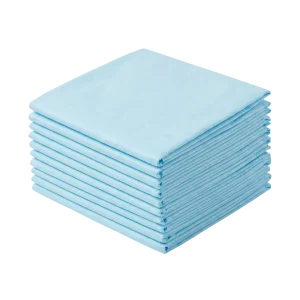
Disposable Training Pads, Dogs, Litter & Housebreaking, Pet Supplies, Training Pads & Trays
Original price was: 29,99 €.24,99 €Current price is: 24,99 €. Add to basket
Showing the single result
Disposable Puppy Pads and Dog Training Pads for Home Use in Cyprus
How Multi-Layer Construction Determines Whether a Pad Actually Works
The performance of a disposable training pad comes down almost entirely to how its layers are constructed and what each one is designed to do. The top sheet is the surface the dog makes contact with, and it needs to pull moisture through quickly so the dog does not step back into a wet surface and track liquid across the surrounding floor. A slow-draining top sheet is the most common complaint with cheaper pads, and it is the characteristic that most undermines the training value of the pad because it discourages the dog from returning to the same spot. Below the top sheet, the absorbent core determines how much liquid the pad can hold before it becomes saturated and begins to pool. Polymer-based cores hold significantly more liquid per unit of material than cellulose-only cores, and they distribute absorption more evenly across the pad surface rather than concentrating it at the point of initial contact and leaving the surrounding area dry. The bottom layer is the leak-proof polyethylene backing that prevents any moisture from reaching the floor beneath, and its integrity under the weight of a medium or large dog is what separates a pad rated for light use from one that holds under real conditions. Disposable puppy pads built to this standard cost more per unit than single-layer alternatives, but the reduction in floor cleaning, the lower total pad usage per day due to higher capacity, and the faster training progress that comes from a consistently dry and odour-managed surface justify the difference in price per pack.
Attractant-Scented Pads and Their Role in Faster Housebreaking
Not all disposable dog training pads are scent-neutral, and for puppies in the early stages of housebreaking, a pad infused with an attractant scent provides a training advantage that plain pads do not. Attractant-treated pads use a pheromone-based compound or a grass-scent infusion to produce a signal that triggers the dog’s natural instinct to return to a previously used toileting site. This is the same instinct that makes dogs seek out specific spots on outdoor walks, and redirecting it toward the pad position indoors accelerates the association between the pad location and the toileting behaviour more quickly than positioning and timing alone can achieve. For new puppy owners in Cyprus managing the first six to eight weeks of housebreaking, the difference between a pad the dog gravitates toward and one it ignores or moves away from can represent several weeks of additional training time and a meaningfully higher number of floor accidents during that period. Attractant-scented disposable training pads are particularly useful overnight and during working hours when supervision is absent and the dog must navigate back to the pad without prompting, which is precisely the gap in the day that accounts for most housebreaking setbacks in the early weeks.
Choosing the Right Pad Size for the Dog and the Training Setup
Disposable puppy pads and dog training pads are available in a range of sizes, and selecting the right dimensions for the dog rather than defaulting to the smallest available option is one of the practical decisions that affects training success more than most owners initially expect. A pad that is too small for the dog’s body length means the rear of the dog frequently extends beyond the pad edge during toileting, which results in a missed pad even when the dog has correctly identified the pad as the designated spot. Standard pads at approximately 60cm x 60cm are appropriate for small breeds under around 10kg and for the very early stages of puppy training when the puppy is still small enough that the pad comfortably accommodates its full body length. Extra-large disposable training pads at 60cm x 90cm or 90cm x 90cm are the better choice for medium and large breeds, for puppies that are growing quickly through the training period, and for any dog that tends to move forward or reposition during toileting. For dogs being trained to a pad tray or holder, the pad dimensions need to match the tray interior, and the sizes available in this collection correspond directly to the tray dimensions stocked alongside them in the Training Pads and Trays category, removing the compatibility guesswork that comes from sourcing pads and trays from separate suppliers.
Pack Quantities and Ongoing Supply for Consistent Indoor Toileting
The practical reality of disposable training pad use is that consumption is higher than most new puppy owners anticipate, particularly in the first four to eight weeks when puppies toilet frequently throughout the day and night and pad changes are needed multiple times daily to maintain a clean surface. A puppy toileting eight to ten times per day through a pad change routine that replaces a pad after every second use will go through fifteen or more pads per day in the early weeks, which makes the per-unit cost and pack quantity of the pads purchased a more significant consideration than it might appear when buying the first pack. Larger pack formats reduce the per-unit cost and ensure a consistent supply without the interruption of frequent reordering, and for households in Cyprus managing puppy training alongside working hours, running out of pads during the working day is a disruption that a well-stocked supply avoids entirely. Beyond the puppy training phase, ongoing pad use for senior dogs, apartment-based dogs, and dogs with reduced outdoor access in the Cypriot summer heat means that disposable training pads remain a regular household purchase rather than a short-term training expense, and the pack sizes available here reflect that ongoing usage pattern rather than treating the category as a one-time puppy supply.