
Showing the single result
-
-17%IN STOCK
 IN STOCK
Disposable Training Pads, Dogs, Litter & Housebreaking, Pet Supplies, Training Pads & Trays
Original price was: 29,99 €.24,99 €Current price is: 24,99 €. Add to basket
Showing the single result
Puppy Training Pads and Holder Trays for Indoor Dog Toileting in Cyprus
What Separates a Reliable Training Pad from One That Falls Short
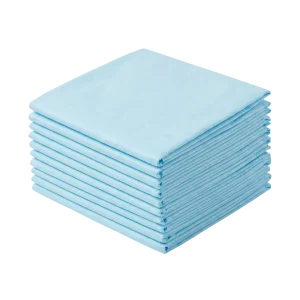
Puppy pads and dog training pads are not all built to the same standard, and the performance differences between a quality pad and a cheap alternative become apparent within the first few uses. Absorption capacity is the first variable: a pad rated for a single use by a small breed will saturate immediately under a medium or large dog, leaving liquid pooling on the surface and seeping through to the floor beneath. Multi-layer pad construction with a quick-dry top sheet, an absorbent polymer core, and a leak-proof polyethylene backing addresses all three of the failure points that lower-quality pads share. The quick-dry surface draws moisture away immediately so the dog does not step back through its own mess, the polymer core locks the liquid in rather than allowing it to move when the pad is disturbed, and the backing prevents any seepage regardless of how full the pad becomes. Scented training pads with an attractant infusion use a pheromone-based or grass-scent signal that draws the dog back to the pad consistently rather than relying entirely on the owner’s timing and redirection, which reduces accidents during the stretches of the day when supervision is not possible. For puppy owners in Cyprus managing the early weeks of housebreaking alongside full working hours, the combination of high-capacity absorption and attractant scent in a single pad removes two of the main variables that extend the housebreaking process unnecessarily.
Training Pad Trays and Holders That Keep the Setup in Place
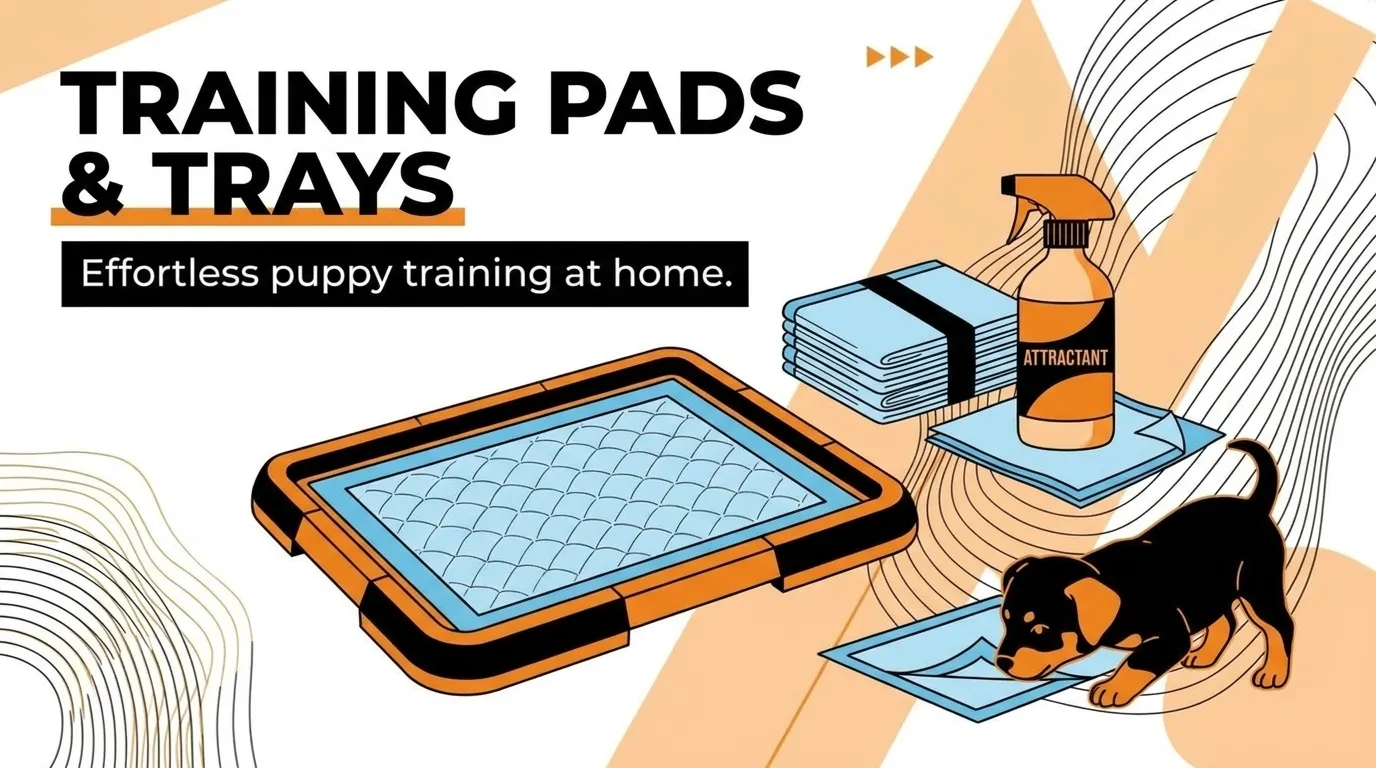
A training pad used without a tray on smooth flooring is a pad that moves. Dogs approach the pad at speed, land on it with both front paws, and pull back as they finish, all of which shifts an unanchored pad away from its intended position and often folds or bunches it in a way that exposes the flooring beneath. A training pad tray solves this problem by holding the pad flat within a fixed frame, preventing lateral movement, and containing any overflow within a raised-edge reservoir that keeps the surrounding floor clean. This matters particularly on the tiled and marble flooring that is standard across the majority of Cypriot homes, where a sliding pad leaves an exposed wet floor surface that is both unhygienic and a slip hazard. Tray designs vary from simple flat frames that grip the pad edges to enclosed units with a raised grid surface that lifts the dog slightly above the pad, keeping paws dry and reducing the scent transfer that can attract the dog to toilet in the surrounding area rather than on the pad itself. The grid-style tray is particularly effective for dogs that tend to scratch or shred pads before or during use, as the grid surface removes direct contact with the pad material. Cy Deals stocks training pad trays in sizes that correspond to the pad dimensions available in this category, so you are not left guessing whether a tray will fit the pads you are buying alongside it, which is a sourcing problem that generalist retailers with mismatched pad and tray ranges create regularly.
Size, Quantity, and Format: Matching the Product to the Dog and the Setup
Training pads come in several sizes, and using the right size for the dog avoids the twin problems of a pad too small to catch the full stream and a pad so large it dominates the available floor space unnecessarily. Standard pads at around 60cm x 60cm suit most small to medium breeds and are the format that most tray holders are sized to accept. Extra-large pads at 60cm x 90cm or larger are the appropriate choice for medium to large breeds, for dogs that move forward during toileting, and for the early stages of puppy training when toileting accuracy is still developing and a larger target area reduces miss rate significantly. Pads are available in box quantities that reflect realistic consumption rates rather than artificially small pack sizes that require frequent reordering, and for owners of multiple dogs or owners working through the intensive early weeks of puppy training where pad use is high, the larger pack formats available here reduce both the per-unit cost and the frequency of running out at an inconvenient moment. Disposable pads remain the standard for most training setups due to their convenience and hygienic single-use format, and the range here covers the absorption levels, sizes, and pack quantities that match the most common dog ownership scenarios in Cyprus.
Long-Term Use Cases Beyond Puppy Training
Training pads and trays are widely associated with puppy housebreaking, but the range of practical applications extends well beyond the first months of a dog’s life. Senior dogs experiencing incontinence related to age, hormonal changes, or neurological conditions benefit from a consistent indoor toileting option that reduces accidents on furniture and flooring without confining the dog unnecessarily. Dogs recovering from surgery or illness, where restricted movement limits outdoor access for days or weeks at a time, require a reliable indoor alternative that is available without assistance from the owner at every toileting event. Smaller breeds that struggle with outdoor access during heavy rain, high winds, or the intense midday heat that Cyprus experiences for several months each year maintain better toileting habits with an indoor pad option available rather than being forced to hold or to toilet in an undesignated spot. For apartment-based dog owners in Cyprus where descending several floors for every toileting trip is not always practical during the working day, a permanent pad and tray setup within the home is a responsible and hygienic long-term solution rather than a training shortcut, and the products in this collection are specified to support that kind of sustained daily use rather than just the initial weeks of puppy training.