
Wooden Cat Wheels
Discover the perfect blend of function and beauty with our wooden cat wheels collection. Crafted from high-quality wood materials, these elegant exercise wheels provide natural texture, superior durability, and timeless aesthetics that complement any Cyprus home. Unlike plastic or metal alternatives, wooden cat wheels offer excellent paw grip, quiet operation, and sustainable construction that appeals to environmentally conscious pet owners. Whether you’re seeking sleek birch plywood designs or rustic solid wood options, our selection combines expert craftsmanship with feline-focused engineering. Give your indoor cat a beautiful, eco-friendly exercise solution that enhances your living space while promoting health and happiness.
Showing the single result
-
-20%IN STOCK
 IN STOCK
Cat Wheels, Cat Furniture, Pet Supplies
Original price was: 149,99 €.119,99 €Current price is: 119,99 €. Add to basket

Showing the single result
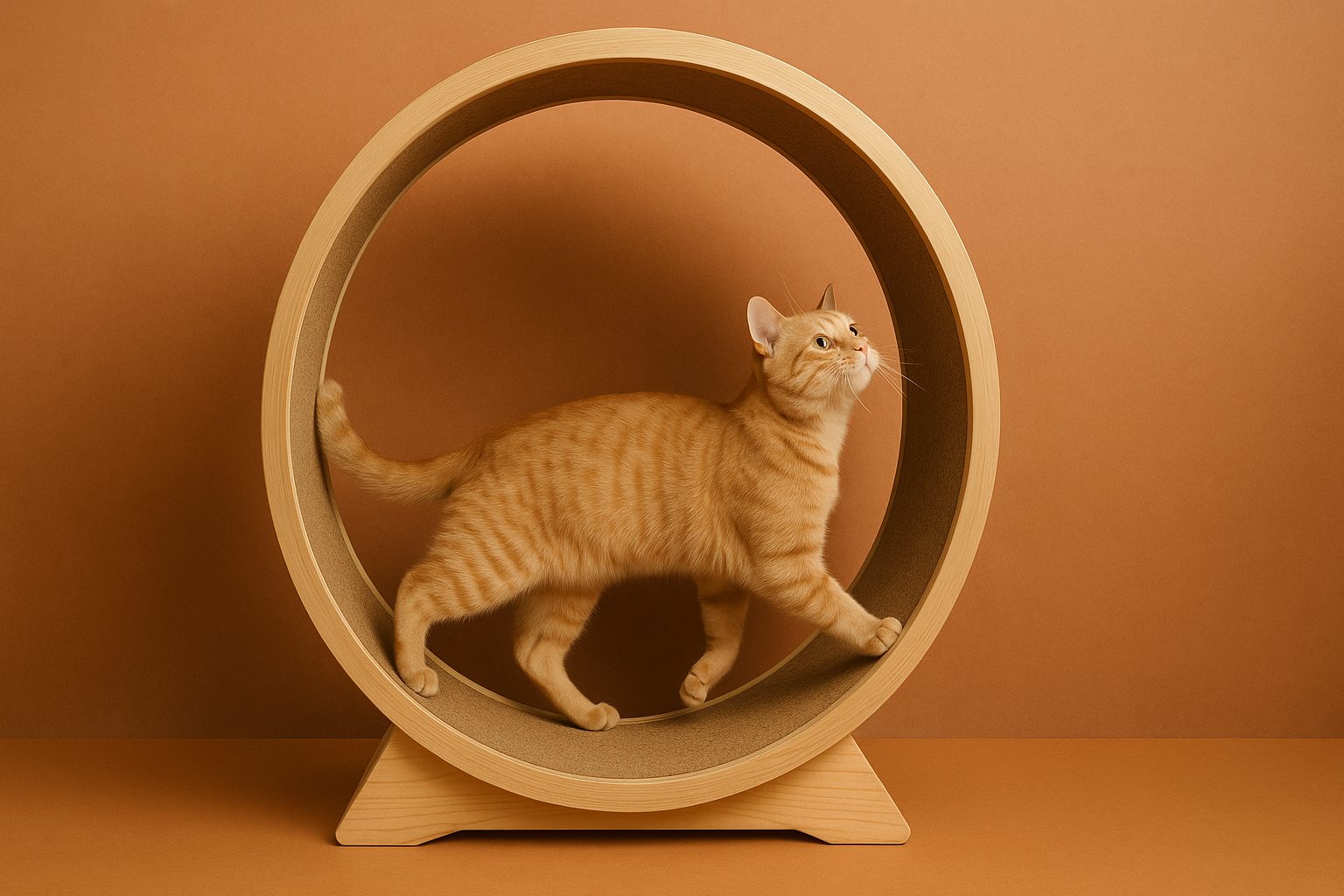

The Natural Choice for Cat Exercise
Wooden cat wheels represent the premium standard in feline exercise equipment. The natural material provides tactile benefits that synthetic alternatives simply can’t match, creating surfaces cats instinctively trust and enjoy. For Cyprus homeowners who appreciate quality furniture and sustainable materials, wooden cat wheels integrate seamlessly into living spaces as attractive functional pieces rather than eyesores requiring concealment.
Wood’s inherent properties make it ideal for cat wheel construction. The material absorbs vibration, reducing operational noise compared to metal frames. Natural texture provides superior paw grip without requiring carpet or padding that accumulates fur and requires frequent cleaning. Wood also withstands the constant stress of rotating movement without the flexing or warping common in inferior materials.
Beyond practical advantages, wooden cat wheels bring warmth and organic beauty to interiors. The visible grain patterns, natural variations, and honest materiality create visual interest that complements Mediterranean design sensibilities prevalent across Cyprus. These wheels function as furniture pieces worthy of prominent placement rather than equipment hidden away.
Wood Types and Construction Quality
Birch Plywood Construction
Baltic birch plywood dominates quality cat wheel manufacturing. This engineered wood consists of multiple thin layers glued together with grain directions alternating, creating exceptional strength and dimensional stability. The cross-laminated structure resists warping from humidity changes and mechanical stress.
Birch plywood’s smooth, consistent surface requires minimal finishing while providing excellent durability. The light natural color brightens spaces and works with virtually any décor scheme. Many manufacturers offer this material in various thicknesses, with 12-18mm being standard for structural components.
Solid Wood Options
Some premium wooden cat wheels use solid hardwoods like oak, ash, or maple for frames and supports. These dense materials provide superior strength and longevity, though they add weight and cost. Solid wood develops character over time, with natural aging creating patina that many owners appreciate.
The substantial feel and heft of solid wood construction create exceptional stability. These wheels won’t shift or wobble during vigorous use, providing cats with confident, secure running surfaces.
Sustainable and Eco-Friendly Materials
Environmentally conscious manufacturers increasingly use sustainably sourced wood certified by organizations like FSC (Forest Stewardship Council). Bamboo, a rapidly renewable resource, appears in some cat wheel designs, offering strength comparable to hardwoods with reduced environmental impact.
For Cyprus pet owners concerned about ecological footprints, wooden cat wheels from sustainable sources align with values while providing functional benefits.
Design Aesthetics and Finishes
Natural and Stained Finishes
Untreated natural wood showcases authentic grain patterns and color variations unique to each piece. Clear protective coatings preserve the raw beauty while adding moisture resistance and easier cleaning. Natural finishes suit Scandinavian, minimalist, and organic design schemes popular in contemporary Cyprus homes.
Stained wood options allow customization matching existing furniture. Light stains enhance grain visibility while adjusting overall tone. Darker stains create dramatic statements with rich, sophisticated appearance. Quality stains penetrate wood rather than sitting on surfaces, maintaining natural texture important for cat traction.
Painted and Colored Wheels
Some manufacturers offer painted wooden cat wheels in colors ranging from classic white to bold accent shades. Paint conceals wood grain but allows precise color matching to specific décor schemes. Quality painted finishes use pet-safe, low-VOC formulas that won’t emit harmful fumes.
Painted wheels suit contemporary interiors where color coordination matters more than natural material expression.
Modern Minimalist Designs
Clean-lined wooden cat wheels with simple profiles and refined proportions function as kinetic sculptures. These designs celebrate material honesty and expert craftsmanship through minimal ornamentation. The wheel itself becomes the aesthetic statement through pure form and quality construction.
Minimalist wooden wheels appeal to owners who appreciate understated elegance and timeless design that won’t feel dated in coming years.
Benefits of Wooden Construction
Superior Grip and Traction
Wood’s natural texture provides excellent paw grip without additional treatments. The slight tooth of wood grain gives cats confident footing during running, walking, or initial wheel exploration. Unlike smooth plastic that can feel slippery or carpet that catches claws uncomfortably, wood strikes ideal balance.
This inherent grip means wooden cat wheels require less maintenance than carpeted alternatives while remaining safer than slick synthetic surfaces.
Noise Reduction
Wood absorbs vibration and dampens sound better than metal or plastic. The material’s cellular structure acts as natural cushioning, reducing the mechanical noise from bearings and rotating components. Cats’ paws on wood create softer sounds than on hard synthetic surfaces.
For apartment dwellers in Nicosia, Limassol, or other urban areas where noise considerations matter, wooden cat wheels offer quieter operation that respects neighbors and household peace.
Durability and Longevity
Quality wooden cat wheels withstand years of daily use without significant degradation. The material doesn’t crack like plastic or corrode like metal. Properly maintained wood develops attractive patina rather than looking worn or damaged with age.
The substantial construction typical of wooden wheels means they outlast cheaper alternatives by years or decades, making them excellent long-term investments despite higher initial costs.
Aesthetic Integration
Unlike plastic pet equipment that clearly reads as utilitarian, wooden cat wheels function as attractive furniture pieces. They complement existing wood furniture, blend with various interior styles, and add rather than detract from room aesthetics.
This integration matters particularly in open-concept Cyprus homes where living spaces flow together and every element remains visible.
Choosing Your Wooden Cat Wheel
Size Considerations
Wooden cat wheels range from 100cm compact models suitable for smaller cats and limited spaces to 150cm wheels accommodating large breeds and providing maximum running comfort. The wheel diameter affects both exercise experience and visual impact in your home.
Larger wheels create more dramatic architectural statements while offering better biomechanics for cats. Smaller options integrate more easily into compact apartments common in Cyprus cities.
Weight and Portability
Solid wood construction creates heavier wheels than metal or plastic alternatives. This weight enhances stability but reduces portability. Consider whether you’ll need to move your wheel regularly or prefer permanent placement.
Wall-mounted wooden wheels eliminate floor space concerns while showcasing the wheel as intentional design element. Freestanding models offer flexibility but require dedicated floor area.
Budget and Investment
Quality wooden cat wheels typically cost €400-€900 depending on size, wood type, and craftsmanship level. Premium handcrafted wheels exceed €900, while basic wooden models start around €350-€400.
The investment reflects genuine furniture-grade construction and materials. Calculate value over the wheel’s expected 10-15 year lifespan rather than comparing to cheaper alternatives requiring replacement every few years.
Customization Options
Some manufacturers offer custom sizing, wood species selection, finish choices, or even engraving. Custom wheels perfectly match your space and preferences but require longer lead times and higher costs.
Ready-made options provide faster delivery and standardized quality, suitable for most situations unless you have specific requirements.
Care and Maintenance
Regular Cleaning
Vacuum or brush the running surface weekly to remove accumulated fur. Wipe with barely damp cloths to clean without saturating wood. Avoid harsh chemicals or excessive moisture that can damage finishes or cause swelling.
For stubborn spots, use wood-safe cleaners appropriate to your wheel’s finish type. Always follow manufacturer cleaning recommendations to protect warranties.
Finish Protection
Inspect protective coatings periodically. Refinish or reapply protective treatments if you notice wear in high-contact areas. This preventive maintenance extends wheel life significantly and maintains appearance.
Natural oils or waxes work well for maintaining unfinished wood surfaces, though these require more frequent application than modern clear coats.
Moisture Management
Wood responds to humidity changes by expanding and contracting slightly. While quality construction minimizes this movement, extreme conditions can cause issues. Maintain moderate indoor humidity levels, particularly during Cyprus’s dry summer months or rare damp winter periods.
Avoid placing wooden wheels where they’ll receive direct water exposure from rain through open windows or doors.
Structural Inspections
Check mounting hardware, bearings, and joints quarterly. Tighten any loosened components promptly. Inspect for cracks, splits, or other damage requiring repair. Address minor issues immediately before they compromise safety or require extensive fixes.
Integration into Cyprus Homes
Climate Compatibility
Cyprus’s predominantly dry climate suits wooden furniture and equipment well. Low humidity prevents the moisture-related issues like mold or warping common in damper regions. The stable conditions help wooden cat wheels maintain dimensional accuracy and finish quality.
Air conditioning during hot months creates comfortable environments for both cats using wheels and the wood construction itself.
Interior Design Harmony
Wooden cat wheels complement the natural materials common in Cyprus architecture including stone, terracotta, and timber. The organic warmth of wood harmonizes with Mediterranean design sensibilities while working equally well in contemporary minimalist spaces.
Position your wooden wheel where it enhances rather than disrupts visual flow. Many owners treat wheels as sculptural focal points, placing them prominently rather than hiding them away.
Space Optimization
In urban Cyprus apartments where every square meter counts, wall-mounted wooden wheels maximize efficiency by utilizing vertical space. The wheel becomes functional art rather than space-wasting equipment.
Freestanding wooden wheels work beautifully in villas and larger homes where floor space accommodates substantial pieces and the wheel’s architectural presence enhances rather than crowds rooms.
Frequently Asked Questions
Why choose wooden cat wheels over metal or plastic alternatives?
Wooden cat wheels offer superior paw grip, quieter operation, better vibration dampening, and significantly more attractive aesthetics than metal or plastic options. Wood provides natural texture cats instinctively trust without requiring carpet that accumulates fur. The material integrates beautifully into home décor as furniture-quality pieces rather than obvious pet equipment. Wood also proves more durable long-term, resisting the cracking and brittleness that affects plastic or the corrosion issues with some metals. For environmentally conscious owners, sustainably sourced wood provides eco-friendly benefits.
Are wooden cat wheels safe for cats?
Yes, quality wooden cat wheels are very safe when properly constructed and maintained. Wood’s natural grip prevents slipping during use. The material doesn’t produce sharp edges or splinters when well-finished and sanded. Properly sealed wood won’t absorb moisture or odors. Quality manufacturers use pet-safe finishes free from harmful chemicals. The substantial construction of wooden wheels provides excellent stability preventing tipping. Always inspect wheels regularly for wear and address any rough spots immediately to maintain safe surfaces.
How do I clean and maintain a wooden cat wheel?
Regular maintenance involves vacuuming or brushing fur from the running surface weekly and wiping with barely damp cloths as needed. Use wood-safe cleaners appropriate to your finish type, avoiding harsh chemicals or excessive moisture. Periodically inspect protective coatings and reapply as needed. Check mounting hardware and bearings quarterly, tightening any loose components. Address scratches or worn finish areas promptly with appropriate touch-up products. Proper care keeps wooden cat wheels looking beautiful and functioning smoothly for many years.
Will wooden cat wheels work in Cyprus’s climate?
Absolutely. Cyprus’s predominantly dry climate suits wooden furniture and equipment excellently. Low humidity prevents moisture-related issues like warping or mold. Quality wooden cat wheels with proper finishes handle the climate beautifully. Air conditioning during hot months maintains stable conditions beneficial for both wood and exercising cats. Avoid placing wheels where they receive direct rain exposure through windows. The stable environment helps wooden wheels maintain dimensional accuracy and appearance better than in humid or highly variable climates.
Do wooden cat wheels make noise?
Quality wooden cat wheels with proper bearing systems operate quietly. Wood naturally absorbs vibration and dampens sound better than metal or plastic, creating softer mechanical noise. Cats’ paws on wood produce gentle sounds rather than loud clicking or scratching. You’ll hear soft whooshing from rotation and light padding from paws, but well-made wooden wheels shouldn’t create disruptive noise. This quiet operation makes them ideal for apartments or homes where noise considerations matter.
How long do wooden cat wheels last?
Quality wooden cat wheels typically last 10-15 years or more with proper care and maintenance. The durable construction resists wear better than plastic alternatives that crack or metal options that may corrode. Wood develops attractive patina rather than looking damaged as it ages. Regular maintenance including finish touch-ups and hardware checks extends lifespan significantly. The substantial investment in wooden wheels proves worthwhile through decades of reliable service, unlike cheaper alternatives requiring replacement every few years.
Can I customize the finish on my wooden cat wheel?
Many manufacturers offer customization including wood species selection, stain colors, clear coat versus natural finishes, and sometimes custom dimensions. Some artisan builders create fully bespoke wheels matching your specific requirements and existing furniture. Customization typically adds cost and extends delivery times but ensures perfect integration with your décor. Ready-made options provide faster availability with standardized quality suitable for most situations. Discuss customization possibilities directly with manufacturers to understand options and associated costs.
What size wooden cat wheel do I need?
For average-sized cats (4-6kg), 120-130cm diameter wheels provide comfortable running surfaces. Larger breeds like Maine Coons benefit from 140-150cm wheels allowing full stride extension. Smaller compact cats manage well with 100-110cm options, though bigger wheels work fine too. Consider your available space alongside cat size. Larger wheels create more dramatic visual statements and better biomechanics but require more room. Most cats adapt well to various sizes within the appropriate range for their build.
Are wooden cat wheels eco-friendly?
Wooden cat wheels from sustainably managed forests or using FSC-certified materials provide environmentally responsible choices. Wood is renewable, biodegradable, and requires less energy-intensive processing than plastics or metals. Many manufacturers use low-VOC, water-based finishes reducing chemical emissions. At end of life, wooden wheels can be recycled or biodegrade naturally unlike plastic alternatives persisting in landfills. The extended lifespan also reduces replacement frequency, lowering overall environmental impact. Choose manufacturers transparent about sourcing and sustainability practices for maximum eco-friendliness.
Do wooden cat wheels require assembly?
Most wooden cat wheels require some assembly ranging from attaching legs and securing the running track to more involved multi-component builds. Quality manufacturers provide clear instructions and necessary hardware. Some offer assembly services for additional fees, particularly valuable for wall-mounted installations requiring secure attachment to studs or masonry. Evaluate your DIY comfort level before purchasing. Well-designed wheels feature logical assembly processes, but complex builds may warrant professional help ensuring proper construction and safety.