
Large Cat Wheels
Give your energetic feline the ultimate exercise solution with our large cat wheel collection. Designed for active indoor cats across Cyprus, these oversized running wheels provide unlimited opportunities for natural running, playing, and energy release without requiring outdoor access. Perfect for high-energy breeds, multi-cat households, or any cat needing more physical activity, large cat wheels combine fitness equipment with engaging entertainment. From sleek modern designs to sturdy traditional builds, our selection offers options for cats of all sizes and activity levels. Transform your indoor cat’s lifestyle with a wheel that encourages healthy movement and reduces boredom-related behaviors.
Showing the single result
-
-20%IN STOCK
 IN STOCK
Cat Wheels, Cat Furniture, Pet Supplies
Original price was: 149,99 €.119,99 €Current price is: 119,99 €. Add to basket

Showing the single result
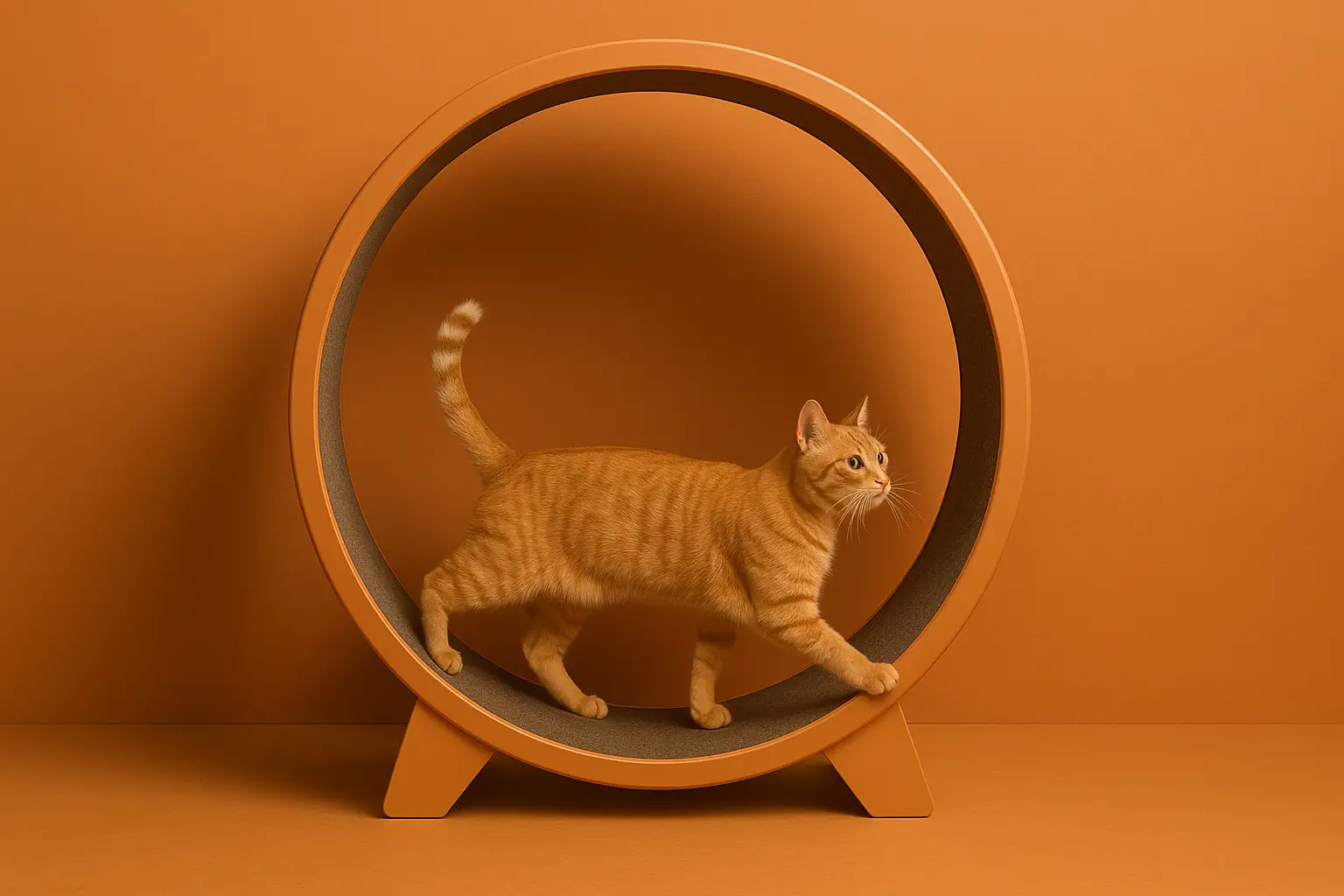
The Appeal of Cat Exercise Wheels
Large cat wheels represent one of the most effective solutions for indoor cat exercise. These impressive structures allow cats to run at their own pace, for as long as they choose, creating self-directed workout opportunities that traditional toys can’t match. Unlike treadmills requiring supervision and training, many cats instinctively understand wheel mechanics and begin using them with minimal encouragement.
For Cyprus pet owners keeping cats indoors due to traffic concerns, urban living, or breed-specific safety needs, large cat wheels provide outlets for natural running behaviors. Bengal cats, Abyssinians, and other high-energy breeds particularly benefit from equipment that accommodates their athletic abilities and stamina.
The wheel’s circular design creates momentum that many cats find irresistibly engaging. Once moving, the wheel continues turning with minimal effort, allowing extended running sessions that build endurance, burn calories, and satisfy instinctive needs for vigorous activity.
Health and Behavioral Benefits
Physical Fitness and Weight Management
Obesity affects numerous indoor cats, contributing to diabetes, arthritis, and shortened lifespans. Large cat wheels provide intensive cardiovascular exercise that burns significant calories. A 20-minute wheel session can match the activity level of hours of hunting and exploring outdoors.
Regular wheel use builds muscle tone, improves coordination, and maintains healthy metabolism. For overweight cats, consistent exercise combined with appropriate feeding helps achieve gradual, sustainable weight loss.
Mental Stimulation and Stress Reduction
Physical activity releases endorphins that improve mood and reduce anxiety. Well-exercised cats exhibit fewer stress behaviors like excessive grooming, aggression, or destructive scratching. The focused activity of wheel running provides mental engagement that combats boredom.
Cats with access to exercise wheels often show improved sleep patterns, spending their awake hours more contentedly and sleeping more soundly during rest periods.
Behavioral Problem Prevention
Under-stimulated cats develop problematic behaviors including nighttime zoomies, furniture destruction, and attention-seeking aggression. Large cat wheels channel excess energy productively, dramatically reducing these issues. Many owners report quieter nights and calmer daytime behavior after introducing wheels.
Multi-cat households benefit particularly, as wheels provide individual cats with outlets for energy that might otherwise manifest as rough play or territorial conflicts.
Design Features and Construction
Wheel Diameter and Size
Large cat wheels typically measure 120-150cm in diameter, providing adequate running space for cats to achieve full stride without cramping. Smaller wheels force awkward gaits that discourage use and may cause discomfort.
The running surface width ranges from 25-40cm, accommodating cats of various sizes from sleek Oriental breeds to substantial Maine Coons. Wider tracks allow comfortable movement without cats feeling confined.
Material Construction
Quality cat wheels use sturdy materials supporting weights of 10-15kg or more. Wooden construction, particularly birch plywood, offers durability and attractive aesthetics that complement home décor. The natural texture provides excellent grip for running cats.
Metal frame wheels with carpet or foam running surfaces create lighter-weight alternatives. Some designs combine materials, using metal frames with wooden tracks for optimal strength-to-weight ratios.
Mounting and Stability
Wall-mounted wheels save floor space and provide superior stability. Secure mounting prevents wobbling or shifting during vigorous use. This option works well for permanent installations where you won’t need to relocate the wheel.
Freestanding models with wide bases offer placement flexibility and easier relocation. Quality freestanding wheels include counterweights or stability features preventing tipping even during aggressive running.
Bearing Systems
Smooth, quiet bearings are essential for both cat comfort and household peace. Quality wheels use sealed ball bearings that require minimal maintenance and operate nearly silently. Inferior bearings create noise and resistance that discourage cats from using wheels.
Some premium models include adjustable resistance settings, allowing you to customize the effort required to turn the wheel as your cat’s fitness improves.
Choosing Your Large Cat Wheel
Space Requirements
Large cat wheels need significant space, typically occupying a 1.5 meter diameter footprint for the wheel itself plus clearance around it. Measure your available area carefully, accounting for cats needing approach room and space around the wheel during use.
Ceiling height matters for wall-mounted models. Ensure adequate clearance above the wheel so cats can enter and exit comfortably. Most installations require at least 2 meters of vertical space.
Aesthetic Considerations
Cat wheels make substantial visual statements in homes. Choose designs complementing your interior style. Natural wood wheels suit Scandinavian, minimalist, or organic design schemes. Modern metal and acrylic combinations work in contemporary spaces.
Some manufacturers offer customizable colors or stains, allowing you to match existing furniture and décor. Consider the wheel as functional furniture rather than merely pet equipment.
Budget and Quality
Quality large cat wheels range from €250-€800 depending on materials, size, and features. Budget options under €300 may use lighter construction or inferior bearings. Mid-range wheels (€400-€600) typically offer good balance of quality and value. Premium models exceed €600 but provide superior craftsmanship and longevity.
Consider this a long-term investment in your cat’s health. Quality wheels last many years, making higher initial costs worthwhile through extended use.
Assembly Requirements
Some wheels arrive fully assembled, while others require significant DIY assembly. Evaluate your comfort with tools and instructions before purchasing. Complex assembly may warrant professional help, adding to overall costs.
Wall-mounted options require secure installation into studs or solid masonry, particularly important in Cyprus homes with concrete or stone walls. Verify mounting hardware suitability for your specific wall type.
Training and Introduction
Creating Positive Associations
Place the wheel in areas your cat already frequents. Allow unrestricted investigation while the wheel is stationary. Add treats, catnip, or favorite toys inside the wheel to encourage exploration and create positive associations.
Never force cats onto wheels or manually spin wheels with reluctant cats inside, which creates fear and resistance.
Initial Movement
Once comfortable with the stationary wheel, gently move it while your cat explores inside. Some cats immediately understand the mechanics and start running. Others need gradual introduction to the concept of the moving surface.
Use interactive toys like feather wands to encourage movement while in the wheel. Position treats progressively further around the wheel’s interior, motivating cats to walk and eventually run to reach them.
Building Confidence
Start with short sessions and let your cat determine duration. Some cats run for 30 seconds initially, while others immediately engage in 10-minute sessions. Respect individual comfort levels and celebrate small progress.
Most cats using wheels regularly begin within 2-4 weeks of introduction, though some take months. Patience and consistent positive reinforcement yield best results.
Practical Considerations for Cyprus Homes
Climate and Indoor Use
Cyprus’s hot summers make indoor exercise particularly valuable when outdoor activity becomes uncomfortable or dangerous. Air-conditioned homes provide ideal environments for wheel running year-round.
The mild winters mean cats may be naturally less active, making structured exercise opportunities through wheels beneficial for maintaining fitness during cooler months.
Apartment Living
Large cat wheels suit apartments despite their size, provided you have adequate floor or wall space. The vertical nature of wheels maximizes exercise space efficiency compared to horizontal alternatives requiring larger floor areas.
Consider neighbors in attached housing. Quality wheels operate quietly, but some sound is inevitable. Ground-floor apartments or detached homes work best for noise-sensitive situations.
Multiple Cat Households
While designed for individual use, wheels in multi-cat homes provide outlets for each cat’s energy. Some cats share wheels cooperatively, taking turns naturally. Others require separate access times to prevent conflicts.
Observe interactions carefully. Dominant cats may monopolize wheels, requiring management to ensure all household cats benefit from access.
Maintenance and Care
Regular Cleaning
Vacuum or sweep the running surface weekly to remove accumulated fur and debris. Wipe with pet-safe cleaners to remove oils from paw pads. Clean the wheel’s frame and surrounding area to prevent dust buildup.
Check for damage or wear during cleaning sessions, addressing issues before they become safety hazards.
Mechanical Maintenance
Inspect bearings periodically for smooth operation. Apply appropriate lubricant if you notice increased resistance or noise. Most sealed bearings require minimal maintenance, but occasional attention extends lifespan.
Check mounting hardware on wall-installed wheels quarterly to ensure continued secure attachment. Tighten any loosened bolts or screws promptly.
Safety Inspections
Verify the running surface remains secure and free from splinters, sharp edges, or protrusions that could injure paws. Check structural integrity, particularly at joints and connection points.
Ensure stability hasn’t degraded over time. Address any wobbling or shifting immediately to prevent accidents.
Maximizing Wheel Benefits
Routine Development
Many cats develop natural wheel routines, running at similar times daily. Dawn and dusk often coincide with peak feline activity, making these ideal for wheel sessions. Some cats prefer post-meal exercise, while others run before eating.
Observe your cat’s patterns and support their natural rhythms rather than imposing schedules.
Complementary Enrichment
Wheels work best alongside other enrichment including climbing trees, puzzle feeders, interactive toys, and play sessions with humans. Comprehensive programs addressing multiple behavioral needs create balanced, content indoor cats.
Variety prevents over-reliance on any single activity and engages different aspects of feline instincts.
Monitoring Progress
Track changes in your cat’s weight, body condition, energy levels, and behavior. Positive results include improved muscle tone, reduced nighttime activity, better sleep quality, and decreased destructive behaviors.
Adjust expectations based on individual cats. Some use wheels daily for extended periods, while others prefer shorter, less frequent sessions. Both patterns provide benefits.
Frequently Asked Questions
Will my cat actually use a large cat wheel?
Many cats do, particularly active breeds and young to middle-aged cats with high energy levels. Success rates improve with proper introduction using positive reinforcement. Food-motivated cats often adapt quickly when treats encourage initial use. Some cats take to wheels immediately, while others need weeks or months of familiarization. Sedentary older cats or very laid-back personalities may show less interest. Realistic expectations and patient training significantly improve adoption rates.
What size cat can use a large cat wheel?
Large cat wheels accommodate cats from approximately 3kg to 10kg comfortably, covering most domestic cat sizes. Standard 120-140cm diameter wheels suit average-sized cats beautifully. Larger breeds like Maine Coons benefit from 140-150cm wheels with wider running surfaces. Very small kittens under 2kg may struggle with wheel mechanics until they grow larger. Most wheels specify weight limits, typically supporting up to 12-15kg safely.
Are cat wheels safe for all cats?
Generally yes for healthy adult cats, but consult your veterinarian for cats with health conditions. Avoid wheel use for cats with arthritis, heart conditions, or mobility issues without veterinary approval. Senior cats may benefit from gentle wheel walking if comfortable, but monitor closely for signs of strain. Never force reluctant cats onto wheels. Proper introduction and respecting individual comfort levels minimize risks significantly.
How much space does a large cat wheel need?
Plan for approximately 1.5-2 square meters of floor space for the wheel itself plus clearance around it. Wall-mounted wheels require adequate ceiling height (typically 2+ meters) and secure mounting surfaces. Measure your available space carefully before purchasing. Freestanding wheels need slightly more floor space but offer placement flexibility. Consider furniture arrangement and traffic flow to ensure the wheel doesn’t obstruct daily activities or create hazards.
How noisy are large cat wheels?
Quality wheels with proper bearing systems operate quietly, producing sound comparable to a ceiling fan on low setting. You’ll hear gentle whooshing from the wheel’s rotation and your cat’s paws on the running surface, but well-made wheels shouldn’t create disruptive noise. Inferior bearings or loose construction cause squeaking or rattling. Location matters too. Wheels placed against shared walls in apartments may disturb neighbors more than those in detached homes.
Do large cat wheels require assembly?
Most require at least some assembly ranging from simple attachment of legs and running surface to comprehensive builds involving multiple components. Instructions vary by manufacturer and model. Some companies offer assembly services for additional fees. Wall-mounted wheels need secure installation into studs or solid masonry. Evaluate your DIY comfort level before purchasing. Complex assembly may justify professional help to ensure safety and proper function.
Can multiple cats share one wheel?
Yes, though cats typically use wheels individually rather than simultaneously. In multi-cat households, cats often take turns naturally. Some cats share cooperatively, while dominant individuals may monopolize access, requiring management. Observe interactions to ensure all cats get opportunities to use the wheel. Very large households with multiple highly active cats might benefit from multiple wheels to prevent conflicts and ensure adequate exercise for everyone.
How long do cats exercise on wheels?
Session length varies dramatically by individual. Some cats run for 5-10 minutes then rest, while others sustain 20-30 minute sessions. Very active cats may use wheels multiple times daily for cumulative exercise exceeding an hour. Let your cat determine duration naturally. Monitor for excessive fatigue or stress. Most cats self-regulate well, stopping when tired. Consistent daily use, regardless of session length, provides significant health benefits.
What’s the difference between cat wheels and treadmills?
Cat wheels allow self-directed, voluntary exercise at the cat’s chosen pace and duration. The circular design creates momentum making sustained running easier and more engaging. Treadmills require supervision, controlled speeds, and typically shorter sessions. Many cats instinctively understand wheel mechanics, while treadmills need extensive training. Wheels accommodate cats’ natural running gaits better. Both serve valuable purposes, but wheels generally see more consistent long-term use due to their self-directed nature and engaging mechanics.
Where should I place my large cat wheel?
Choose locations your cat already frequents with adequate space around the wheel. Near windows provides visual stimulation during and after exercise. Avoid high-traffic areas where household activity might discourage use. Ensure stable, level surfaces for freestanding models. Wall-mounted wheels need secure attachment to studs or solid masonry. Consider noise implications for neighbors in attached housing. Many owners place wheels in living areas where they can enjoy watching their cats exercise, turning the wheel into interactive entertainment.