
Cat Towers
Give your feline friend the ultimate playground with our collection of Cat Towers designed for climbing, scratching, playing, and lounging. Whether you have a curious kitten or a full-grown cat, these multi-level structures provide endless entertainment while protecting your furniture. From compact designs perfect for apartments to spacious towers with multiple perches, hammocks, and scratching posts, you’ll find the ideal setup to keep your cat active, happy, and mentally stimulated. Every tower is built with your pet’s comfort and safety in mind, making playtime and naptime equally enjoyable.
Showing the single result
-
Cat Trees, Cat Furniture, Pet Supplies
Original price was: 129,99 €.84,99 €Current price is: 84,99 €. Add to basket

Showing the single result
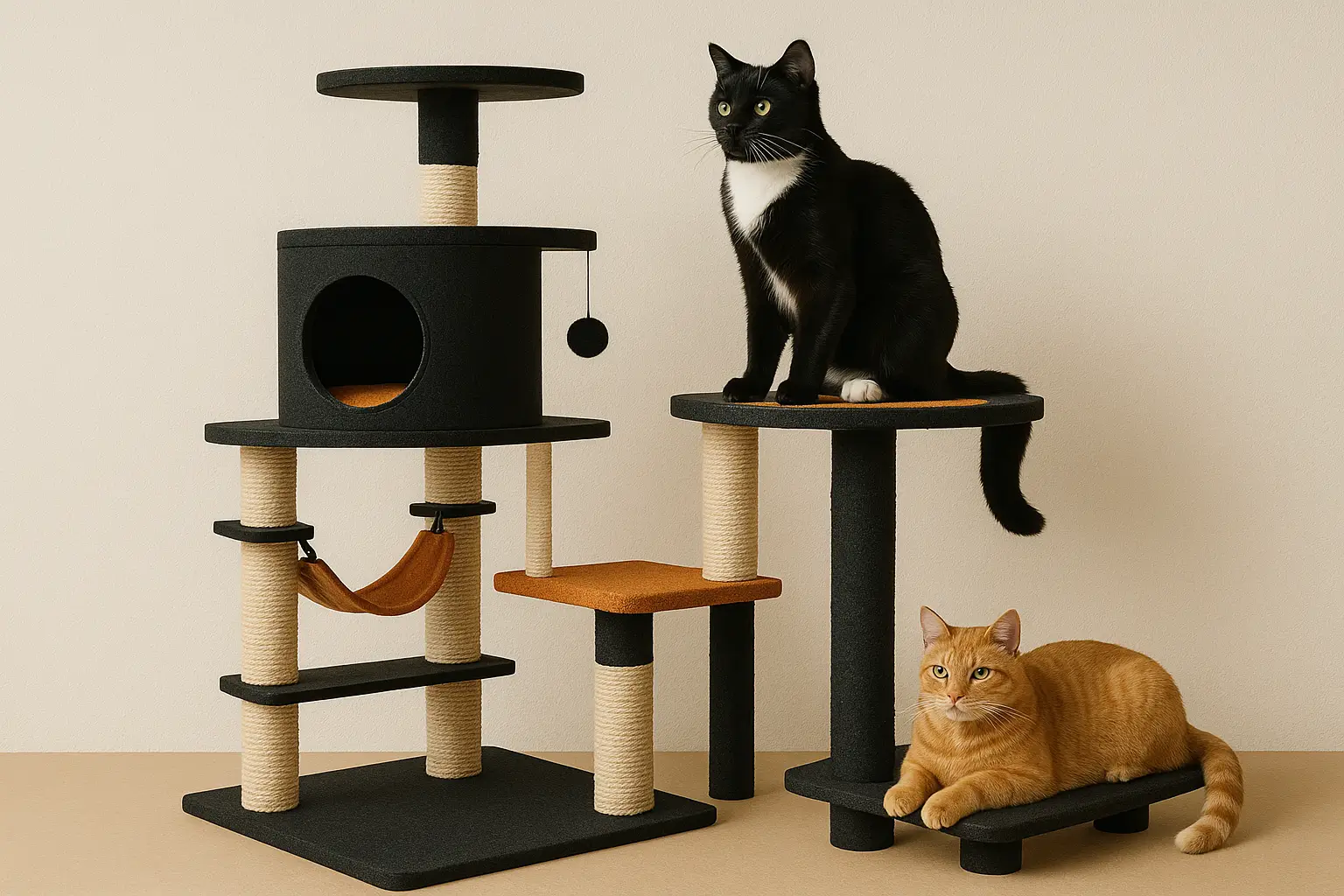
Everything You Need to Know About Cat Towers
Cat towers are more than just furniture for your pet. They’re essential pieces of enrichment that satisfy your cat’s natural instincts to climb, scratch, explore, and observe their territory from elevated positions. A well-chosen cat tower becomes your pet’s favourite spot in the home, combining exercise, entertainment, and relaxation all in one sturdy structure.
Whether you’re a first-time cat owner or looking to upgrade your pet’s play area, understanding what makes a great cat tower will help you choose the perfect match for your feline companion and your living space.
Why Your Cat Needs a Tower
Cats are natural climbers. In the wild, they seek high vantage points to survey their surroundings, hunt, and stay safe from predators. Indoor cats retain these instincts, which is why they love perching on windowsills, bookshelves, and the tops of cabinets. A cat tower provides a safe, designated space for this behavior.
Physical Exercise: Climbing up and down multiple levels gives your cat valuable exercise, helping maintain a healthy weight and strong muscles. Active cats are happier cats, and towers encourage movement throughout the day.
Mental Stimulation: The different levels, hiding spots, and dangling toys on many towers keep your cat mentally engaged. This is particularly important for indoor cats who don’t have outdoor adventures to occupy their minds.
Scratching Outlet: Most cat towers come equipped with sisal-wrapped posts, giving your cat an appropriate place to scratch. This natural behaviour helps them shed old claw sheaths, stretch their muscles, and mark territory. By providing scratching surfaces on the tower, you protect your sofas, curtains, and other furniture from damage.
Stress Relief: Cats feel more secure when they can retreat to high places. A tower with enclosed condos or elevated perches gives anxious cats a safe haven where they can relax and observe without feeling threatened.
Territory in Multi-Cat Homes: If you have multiple cats, towers with various levels help establish vertical territory. Each cat can claim different perches, reducing conflicts and creating harmony in your home.
Types of Cat Towers Available
Cat towers come in various designs to suit different needs, spaces, and budgets.
Compact Towers: Perfect for smaller apartments or single cats, these typically stand 90-120 cm tall with 2-3 levels. They provide essential climbing and scratching without taking up much floor space.
Multi-Level Towers: These taller structures (1.5-2.1 metres) feature numerous platforms, condos, ramps, and perches. Ideal for active cats or multi-cat households, they offer maximum entertainment value.
Wall-Mounted Systems: For modern homes with limited floor space, wall-mounted shelves and perches create vertical territory without a traditional tower footprint.
Luxury Cat Trees: Premium options include extra-plush materials, unique designs, stylish colours that match home decor, and special features like hammocks or curved ramps.
How to Choose the Right Cat Tower
Selecting the perfect tower requires considering both your cat’s needs and your home environment.
Size and Space: Measure your available space before shopping. Consider ceiling height if you’re interested in tall towers. In Cyprus homes where space may vary from cozy apartments to larger villas, choose a size that fits comfortably without overwhelming the room.
Stability: This is crucial. A wobbly tower is dangerous and will discourage your cat from using it. Look for wide, heavy bases and solid construction. Heavier cats need extra-sturdy designs, while lighter cats can use more delicate structures.
Your Cat’s Age and Mobility: Kittens and young cats love tall towers with lots of levels and toys. Senior cats or those with mobility issues need lower platforms and ramps instead of large gaps between levels.
Number of Cats: Multiple cats need multiple perches, so they aren’t competing for the best spot. Calculate at least 2-3 resting areas per cat in your household.
Material Quality: Sisal rope is the gold standard for scratching posts as it’s durable and satisfying for cats. Plush covering should be thick and well-attached. Avoid towers with strong chemical smells.
Features: Consider what your cat enjoys. Does she love hiding? Look for enclosed condos. Is he playful? Choose towers with dangling toys and activity centres. Does your cat love sunbathing? Place a tower near a window where Cyprus sunshine streams in.
Maintaining Your Cat Tower
Proper care extends the life of your cat tower and keeps it hygienic.
Regular Vacuuming: Remove shed fur, dust, and debris weekly. Use upholstery attachments to clean platforms and condos thoroughly.
Spot Cleaning: Address accidents or spills immediately with pet-safe cleaners. Avoid harsh chemicals that might deter your cat from using the tower.
Inspect Stability: Monthly checks ensure the tower remains stable. Tighten any loose screws or bolts, especially after energetic play sessions.
Replace Worn Parts: When sisal rope becomes frayed or platforms show excessive wear, many towers allow you to replace individual components rather than buying a completely new structure.
Refresh with Catnip: Occasionally sprinkle catnip on platforms or toys to renew your cat’s interest, especially if they’ve started ignoring the tower.
Placement Tips for Maximum Use
Where you position the tower significantly impacts how much your cat will use it. Place it in areas where your family spends time, as cats want to be near their people. Near windows is ideal, giving your cat entertainment through watching birds, people, or outdoor activity. Avoid damp areas or spots with extreme temperature fluctuations, though Cyprus’s Mediterranean climate typically keeps indoor spaces comfortable year-round.
Frequently Asked Questions
What size cat tower should I buy?
Choose a tower at least 60-90 cm taller than your cat can reach when fully stretched. For multiple cats, opt for larger towers with numerous perches. Consider your ceiling height and available floor space when making your selection.
Are cat towers safe for kittens?
Yes, but choose appropriately sized options. Kittens are fearless climbers but not always graceful. Look for towers with smaller gaps between levels and platforms that won’t result in dangerous falls while they’re learning coordination.
How do I encourage my cat to use a new tower?
Place treats on different levels, sprinkle catnip on platforms, and use interactive toys to draw your cat upward. Put the tower in a social area where you spend time. Be patient as some cats need days or weeks to fully explore and claim their new territory.
Can cat towers support large or heavy cats?
Many towers are designed specifically for large breeds. Look for specifications indicating weight capacity, reinforced bases, and extra-sturdy construction. Towers marketed for Maine Coons, Ragdolls, or large cats will support substantial weight safely.
How often should I replace a cat tower?
With proper maintenance, quality towers last 5-10 years. Replace when structural integrity is compromised, materials are excessively worn, or it becomes unstable. Individual components like sisal posts can be replaced more frequently.
Do I need multiple cat towers for multiple cats?
Not necessarily. One large tower with many levels often works well for 2-3 cats. However, if you notice fighting over preferred spots or if you have more than three cats, additional towers or vertical territory help maintain peace.
What’s the difference between cheap and expensive cat towers?
Price typically reflects material quality, stability, durability, and design. Budget towers may wobble, use thin carpet that pills quickly, or have weak sisal rope. Investment in quality means better safety, longer lifespan, and happier cats.
Will my cat scratch the tower instead of my furniture?
Most cats prefer sisal scratching posts when available, but training helps. Redirect your cat to the tower when you catch them scratching inappropriately, reward them for using the tower, and make furniture less appealing with deterrent sprays or textures.