
Adjustable Incline Benches
Elevate your strength training with one of our adjustable incline benches that unlocks complete upper body development. Designed for targeting your upper chest, shoulders, and creating balanced muscle growth, these versatile benches are essential for anyone serious about building strength and definition. Our collection offers premium options for fitness enthusiasts throughout Cyprus who demand professional-quality equipment that delivers results. Whether you’re setting up your first home gym or upgrading existing equipment, find the perfect bench to match your training goals and available space.
Showing the single result
-
-31%IN STOCK
 IN STOCK
Weight Benches, Home Gym Equipment
Original price was: 129,99 €.89,99 €Current price is: 89,99 €. Add to basket
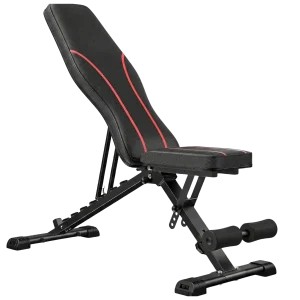
Showing the single result
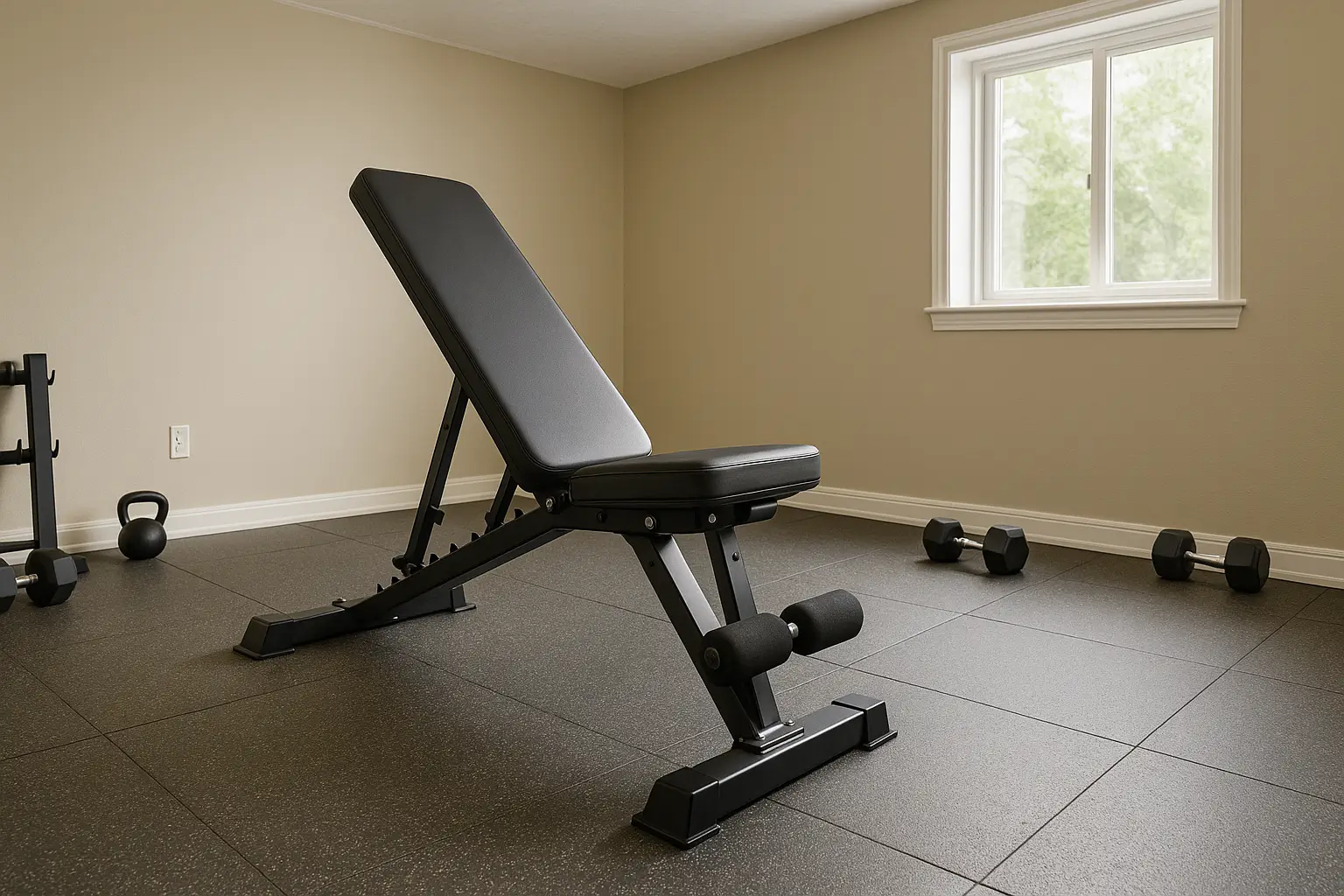
Unlock Your Upper Body Potential
Building a complete, proportionate physique requires training your muscles from multiple angles. While flat bench exercises form the foundation of many strength programs, incline training addresses muscle groups that flat work simply cannot effectively reach. An adjustable incline bench provides the versatility to target your upper chest, front deltoids, and supporting muscles with precision, creating the balanced development that defines an impressive physique.
For those training at home in Cyprus, having adjustable equipment means you can replicate the variety found in commercial gyms without leaving your villa or apartment. The right incline bench transforms a basic home setup into a comprehensive training facility capable of supporting your long-term fitness journey.
What Makes Adjustable Incline Benches Essential
An adjustable incline bench features a backrest that can be set at various angles, typically ranging from flat (0 degrees) through multiple incline positions up to near-vertical (usually 75-85 degrees). This adjustability is what separates these benches from fixed equipment, giving you the freedom to fine-tune exercises to your specific needs.
The design centers around a sturdy frame—usually heavy-gauge steel—with a padded backrest that locks securely into place at your chosen angle. Quality benches include positive locking mechanisms, often pin-and-hole systems, that ensure the bench stays firmly in position even during intense lifting sessions. Many models also feature an adjustable seat pad that angles to match the backrest, keeping you properly positioned throughout your exercises.
The construction quality directly impacts your training experience. Professional-grade benches use thick, high-density foam padding covered in durable, moisture-resistant materials. The base is typically wide and stable, with rubber or non-slip feet that protect your flooring while preventing movement during use. For home gym owners, many designs incorporate folding mechanisms that reduce the bench to a compact size for easy storage.
Why Incline Training Transforms Your Results
Complete Upper Chest Development
The upper chest (clavicular head of the pectoralis major) responds exceptionally well to incline pressing movements. When you perform exercises at a 30-45 degree incline, you shift the emphasis from your mid-chest to the upper region, filling in the area just below your collarbone. This creates the full, rounded chest appearance that flat bench work alone cannot achieve.
Many people find their upper chest is a lagging body part. Incorporating regular incline training addresses this imbalance, creating more complete and aesthetic development across the entire chest region.
Enhanced Shoulder Development
Incline exercises naturally involve your front deltoids (shoulders) more than flat movements. This additional shoulder activation builds strength and size in your shoulders while simultaneously improving shoulder stability and health. The natural pressing path at an incline closely mimics functional overhead movements used in daily life.
Reduced Lower Back Stress
For individuals who experience discomfort during flat bench exercises, incline positions often provide a more comfortable alternative. The upright angle reduces the arch in your lower back and can distribute forces more evenly across your body, making incline training accessible even for those managing back sensitivity.
Training Variety Prevents Plateaus
Your muscles adapt to repeated stimuli over time, which can lead to training plateaus. By adjusting the incline angle from workout to workout, you create constant variation that keeps your muscles responding. One session might focus on a steep incline (60 degrees) for shoulder-dominant pressing, while the next uses a moderate incline (30 degrees) for balanced chest and shoulder work.
Functional Strength Application
Incline pressing patterns translate well to real-world movements like pushing objects overhead, reaching high shelves, or athletic activities requiring overhead power. This functional carryover makes incline training valuable beyond just aesthetic goals.
Selecting Your Perfect Adjustable Incline Bench
Frame Construction and Stability
The foundation of any quality bench is its frame. Look for commercial-grade steel tubing with a powder-coat finish that resists scratching and corrosion. In Cyprus’s coastal areas where salt air can accelerate rust, a quality finish becomes even more important for equipment longevity.
Check the weight rating—reputable benches support at least 300kg combined load (your body weight plus whatever you’re lifting). A stable base prevents wobbling or tipping, which is crucial for safety when you’re lifting heavy weights overhead on an incline.
Adjustment System and Positions
Examine how smoothly the bench adjusts between angles. The best systems allow quick, secure changes without requiring tools or excessive effort. Look for benches offering at least 5-7 different incline positions, giving you fine control over your training angles.
The most useful angles for most trainers are:
- Flat (0 degrees) for versatility
- Low incline (15-20 degrees) for lower-upper chest transition
- Moderate incline (30-45 degrees) for balanced upper chest and shoulder work
- Steep incline (60-75 degrees) for shoulder-dominant pressing
Having access to these key angles allows you to target muscles precisely as your program demands.
Padding Quality and Comfort
Superior padding makes a significant difference during extended workouts. Look for at least 5cm of high-density foam that maintains its shape over time. The covering material should be sweat-resistant and easy to clean—important considerations in Cyprus’s warm climate where training sessions can be intense.
The backrest should be wide enough to support your entire upper back comfortably, typically 25-30cm across. Narrow backrests can dig into your shoulder blades during exercises and create uncomfortable pressure points.
Seat Pad Adjustment
Many quality adjustable incline benches include a seat pad that adjusts in coordination with the backrest angle. This feature keeps you properly positioned on the bench regardless of incline setting, preventing you from sliding down during exercises. Some benches allow independent seat adjustment, offering even more customization.
Footprint and Storage
Measure your available training space and storage area before purchasing. A typical adjustable incline bench measures approximately 120-140cm long, 60-70cm wide, and 120-130cm tall at full incline. Consider models with folding capability if space is limited—many fold to under 40cm wide, making them easy to store in closets or under beds.
Additional Features Worth Considering
Some premium benches include transport wheels for easy repositioning, built-in resistance band anchors, or integrated storage for plates or dumbbells. While not essential, these features can enhance convenience. Evaluate whether the added cost justifies these extras based on how you’ll actually train.
Optimizing Your Incline Bench Training
Mastering Proper Form
Positioning is crucial for incline exercises. Your shoulder blades should remain retracted (pulled together) and pressed firmly against the backrest throughout pressing movements. This stable platform protects your shoulders and maximizes force production.
Keep your feet flat on the floor with your core engaged. Unlike flat bench pressing where an arch is common, incline work benefits from a more neutral spine position. Focus on controlled movements—lower the weight slowly (2-3 second descent) and press powerfully while maintaining constant tension on the target muscles.
Angle Selection Strategy
Different incline angles emphasize different muscle groups. Lower inclines (15-30 degrees) distribute work across your entire upper chest region. Moderate inclines (30-45 degrees) hit the upper chest most directly. Steep inclines (60+ degrees) shift emphasis heavily toward your shoulders.
Vary your incline angles across different workouts or even within the same session. You might start with a moderate incline when you’re fresh, then adjust to a lower incline as fatigue sets in, allowing you to continue training effectively even as strength diminishes.
Exercise Programming
Structure your workouts to include both compound and isolation movements on your adjustable incline bench. Start with heavy incline barbell or dumbbell presses when your energy is highest, then move to incline flies or single-arm work for more targeted muscle development.
A balanced approach might include:
- Incline barbell or dumbbell press: 3-4 sets of 6-10 reps
- Incline dumbbell flies: 3 sets of 10-12 reps
- Incline dumbbell press (different angle): 2-3 sets of 12-15 reps
This structure ensures you’re training with adequate volume across multiple angles for complete development.
Progressive Overload
Track your performance on key incline exercises and aim to gradually increase either the weight lifted, repetitions performed, or total sets completed over time. This progressive overload principle drives continued adaptation and growth. Even small increments—adding 1-2kg to your dumbbell press every few weeks—accumulate into substantial strength gains over months.
Maintenance and Longevity
Routine Cleaning
After each training session, wipe down all padding and frame surfaces with a mild disinfectant solution. Pay particular attention to areas where your skin makes direct contact, as sweat and natural oils can degrade materials over time if not cleaned regularly.
In Cyprus’s warm environment, moisture management becomes important. Ensure your bench dries completely before storage to prevent mildew or odor development, especially if you store equipment in less ventilated spaces.
Mechanical Inspections
Monthly inspections help catch potential issues early. Check all bolts and connection points for tightness—the forces generated during heavy lifting can gradually loosen fasteners. Inspect the adjustment pins and receiving holes for any signs of wear or deformation that might compromise safety.
Test the locking mechanism regularly to ensure it engages fully at all adjustment positions. If you notice any looseness or difficulty locking the bench at certain angles, address this immediately before continuing to use the equipment.
Protective Measures
If your bench lives in a garage or outdoor storage area, protect it from direct sunlight and humidity fluctuations. UV exposure degrades padding materials and can fade upholstery colors. Temperature extremes, while less common in Cyprus’s Mediterranean climate, can still affect moving parts and padding integrity over time.
Consider a protective cover if your bench remains set up in areas exposed to dust or direct light. This simple step significantly extends the life of padding and frame finish.
Building Your Complete Home Gym
An adjustable incline bench serves as the centerpiece of an effective home gym setup. Pair it with adjustable dumbbells or a barbell set to unlock hundreds of exercise variations. The combination of an adjustable incline bench and free weights rivals what you’ll find in commercial gyms for upper body training.
For those limited by space in apartments or smaller homes common in Cyprus’s urban areas, this combination offers exceptional value. Rather than multiple specialized pieces of equipment, an adjustable incline bench plus versatile weights covers the vast majority of upper body training needs in a relatively compact footprint.
Consider complementing your bench with a set of resistance bands for additional exercise variety and warm-up options, and a simple pull-up bar or power tower for balanced back development. This minimal but strategic equipment selection creates a comprehensive training environment without overwhelming your space or budget.
Frequently Asked Questions
What’s the ideal incline angle for targeting the upper chest on an adjustable incline bench?
The optimal angle for upper chest development is typically between 30-45 degrees. This range activates the upper chest maximally while still allowing you to handle meaningful weight. Steeper angles (above 50 degrees) shift more emphasis to the shoulders, while lower angles (15-25 degrees) work the chest more evenly. Experiment within the 30-45 degree range to find what feels best for your body structure.
Can I use an adjustable incline bench for exercises other than pressing movements?
Absolutely. Beyond incline presses and flies, you can perform incline curls for biceps, supported dumbbell rows, seated shoulder presses, incline reverse flies for rear deltoids, and even use the bench for elevated exercises like decline push-ups by positioning your feet on the seat. Many trainers also use adjustable benches for step-ups and Bulgarian split squats.
What’s the difference between an adjustable incline bench and a flat bench with incline capability?
The terms are often used interchangeably. An adjustable incline bench typically implies a bench that can adjust from flat through various incline angles. Some benches also decline, making them “fully adjustable” or “FID” (Flat-Incline-Decline) benches. For upper body training focused on chest and shoulders, you primarily need flat and incline positions, so either terminology usually describes equipment suitable for your needs.
How do I prevent sliding down the bench during incline exercises?
Sliding occurs when the seat pad doesn’t angle to match the backrest. Look for benches with adjustable seat pads that tilt upward as the backrest inclines. During exercise, plant your feet firmly on the floor and engage your core for stability. Some people find that wearing appropriate training shoes rather than going barefoot provides better floor contact and reduces sliding.
Is an adjustable incline bench suitable for beginners?
Yes, adjustable incline benches are excellent for beginners. Start with lighter weights at moderate incline angles to learn proper form before progressing to heavier loads. The adjustability allows you to gradually increase exercise difficulty as your strength improves. Beginners often benefit from incline pressing because it feels more natural than flat bench pressing and typically involves less complex shoulder positioning.
What weight capacity should I look for in an adjustable incline bench?
Choose a bench rated for at least 300kg total capacity, ideally more. This ensures the bench safely supports your body weight plus the weights you’re lifting, with a safety margin for dynamic forces generated during exercise. Higher weight capacities generally indicate more robust construction with thicker steel and better reinforcement at stress points.
How much space do I need for an adjustable incline bench in my home?
Plan for approximately 150cm x 100cm of floor space when the bench is in use, though dimensions vary by model. This allows room for safely mounting and dismounting the bench plus exercising with dumbbells or a barbell. Many benches fold to 30-40cm wide for storage, making them suitable even for smaller Cyprus apartments when not in use.
Will training on an incline bench help with flat bench press strength?
Yes, incline training absolutely carries over to flat bench pressing. It develops your upper chest, shoulders, and triceps—all muscles involved in flat pressing. Many lifters find that adding incline work helps them break through flat bench plateaus by strengthening previously underdeveloped supporting muscles. The carryover works both ways, making a varied approach using multiple angles most effective.
What’s better for home gyms: a dedicated incline bench or a fully adjustable bench?
For most home gym owners, a fully adjustable bench (offering flat, incline, and decline positions) provides the best value. You get maximum versatility in one piece of equipment. However, if you have specific training goals focused heavily on incline pressing and available space allows, a dedicated incline bench might offer superior stability and comfort. Consider your training priorities, space constraints, and budget when deciding.
How do I maintain my adjustable incline bench to ensure it lasts for years?
Regular maintenance includes wiping down the bench after each use to remove sweat, checking bolts monthly for tightness, inspecting adjustment mechanisms for wear, and storing the bench in a dry area away from direct sunlight. In Cyprus’s climate, ensure the bench is completely dry before storing to prevent moisture issues. Apply light lubricant to moving parts if recommended by the manufacturer. Proper care can extend your bench’s lifespan by many years.