
Showing all 3 resultsSorted by popularity
-
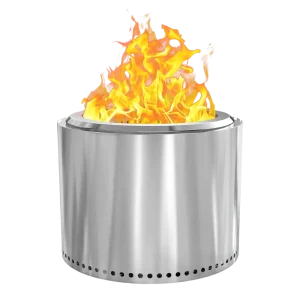
Fire Pits, Outdoor & Garden, Outdoor Heating
Original price was: 239,99 €.179,99 €Current price is: 179,99 €. Add to basket -
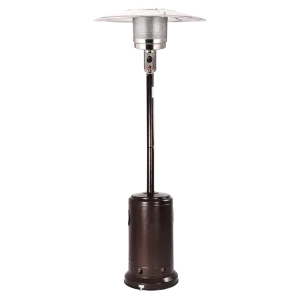
Patio Heaters, Outdoor & Garden, Outdoor Heating
Original price was: 149,99 €.129,99 €Current price is: 129,99 €. Add to basket -
Fire Pits, Outdoor & Garden, Outdoor Heating
Original price was: 69,99 €.39,99 €Current price is: 39,99 €. Add to basket

Showing all 3 resultsSorted by popularity

Creating Comfortable Outdoor Spaces in Cyprus
Cyprus enjoys mild winters compared to much of Europe, but evenings and cooler months can still make outdoor entertaining uncomfortable without proper heating. The right heating solution allows you to maximize your outdoor investment, turning patios, terraces, and gardens into functional spaces throughout the year. With our range of heating products, you can host dinner parties in January, enjoy morning coffee on your balcony in December, or simply relax outside during those crisp spring evenings.
Types of Outdoor Heating Solutions
Patio Heaters
Standing patio heaters remain one of the most popular choices for Cypriot homes and businesses. These freestanding units provide substantial heat coverage, typically warming a radius of 3 to 5 meters. Gas-powered models offer powerful, instant heat without requiring electrical connections, making them ideal for gardens and poolside areas. Electric patio heaters work perfectly for covered terraces and balconies where power access is convenient.
Fire Pits and Fire Tables
Beyond functionality, fire pits add a captivating focal point to any outdoor setting. Wood-burning fire pits create an authentic campfire experience, perfect for marshmallow roasting and storytelling. Gas fire pits and fire tables offer cleaner operation with adjustable flames, combining heating with stylish outdoor furniture. These options work beautifully in Cyprus, where outdoor living is central to the lifestyle.
Infrared Heaters
Wall-mounted or ceiling-mounted infrared heaters provide targeted warmth without heating the surrounding air. This technology is particularly efficient in Cyprus’s occasional breezy conditions, as the radiant heat directly warms people and objects rather than being dispersed by wind. These sleek units integrate seamlessly into modern outdoor designs and are excellent for covered areas like pergolas and verandas.
Tabletop Heaters
Compact tabletop heaters bring warmth directly to dining areas or coffee tables. These portable units are perfect for smaller balconies or as supplementary heating for specific seating zones. Their decorative designs often double as ambient lighting features.
Benefits of Outdoor Heating
Extended Usability
Investment in quality heating transforms outdoor spaces from seasonal luxuries into year-round assets. In Cyprus, where property often includes generous outdoor areas, this dramatically increases your usable living space. Restaurants and cafes similarly benefit from expanded seating capacity during traditionally quieter winter months.
Enhanced Entertainment
Outdoor heating creates inviting atmospheres that encourage guests to linger longer. The warmth allows you to host events that extend into cooler evening hours, making every gathering more memorable and comfortable.
Property Value
Well-designed outdoor heating installations enhance property appeal and functionality. For villas and homes with entertainment areas, professional heating solutions represent attractive features for potential buyers or renters.
Health and Comfort
Rather than retreating indoors prematurely, proper heating lets you continue enjoying fresh air and outdoor environments. This is particularly valuable in Cyprus, where the mild climate and beautiful settings make outdoor time desirable even in cooler months.
Choosing the Right Outdoor Heating Solution
Assess Your Space
Consider the size and layout of your outdoor area. Large, open gardens suit powerful standing patio heaters or multiple fire pits positioned strategically. Smaller balconies or enclosed terraces work better with wall-mounted infrared units or compact tabletop heaters. Measure your space and note any architectural features that might affect heat distribution.
Power Source Considerations
Gas heaters (propane or butane) offer portability and powerful heat output without electrical requirements. They’re ideal for areas lacking convenient power access. However, you’ll need to factor in gas bottle replacement costs and storage. Electric heaters provide convenience and lower running costs where power is readily available, though they require proximity to outlets and may have limitations on extension cord use.
Weather Exposure
Cyprus experiences varying conditions depending on location and season. Coastal areas face salt air and occasional strong winds, while mountainous regions see cooler temperatures. Choose heaters with appropriate weather resistance ratings. Covered or partially sheltered spaces retain heat more efficiently, allowing smaller or fewer heating units.
Heating Coverage
Calculate the area you need to warm. Patio heater specifications typically indicate coverage radius. For larger spaces, multiple smaller units often provide more even heat distribution than a single powerful heater. Consider how furniture placement affects heat flow and whether guests will be moving around or remaining seated.
Style and Design
Modern outdoor heating comes in diverse styles, from sleek stainless steel to rustic copper finishes. Consider how the heater complements your existing outdoor furniture and overall aesthetic. Fire features add visual interest beyond heating functionality, while minimalist infrared panels virtually disappear into architecture.
Safety Features
Look for tip-over protection, especially important with freestanding heaters. Automatic shut-off mechanisms prevent overheating. If children or pets use the space, consider units with protective grilles or guards. Ensure adequate clearance from furniture, plants, and structures according to manufacturer specifications.
Installation and Placement Tips
Position heaters strategically to maximize coverage while maintaining safety clearances. Standing heaters work best as central focal points in seating arrangements. Wall-mounted units should install at recommended heights to optimize heat distribution without creating hazards.
For gas heaters, ensure proper ventilation even in covered areas. Never use outdoor heaters indoors or in enclosed spaces without adequate airflow. Keep gas bottles upright and secured in well-ventilated locations away from direct sunlight.
Consider prevailing wind patterns in your location. Natural or artificial windbreaks improve heating efficiency significantly. In coastal Cyprus areas, positioning heaters with buildings or hedges as buffers helps retain warmth.
Maintenance and Care
Gas Heaters
Inspect gas connections regularly for leaks using soapy water. Replace hoses showing wear or cracks. Clean burners annually to maintain efficient operation. Cover units during extended periods of non-use to protect from dust and moisture. Check and clean pilot lights if equipped.
Electric Heaters
Keep heating elements dust-free for optimal performance. Inspect power cords for damage before each use. Store units indoors during extended rainy periods unless they carry appropriate weatherproof ratings. Clean decorative panels with appropriate materials to maintain appearance.
Fire Pits
Remove ash regularly from wood-burning pits to maintain airflow and prevent corrosion. For gas fire features, keep burners and control valves clean. Protect fire pits with covers when not in use, particularly important in Cyprus’s occasionally dusty conditions. Stainless steel and powder-coated finishes may require periodic cleaning to maintain appearance in coastal environments.
Energy Efficiency Considerations
While outdoor heating inevitably consumes energy, several strategies improve efficiency. Use timers or smart controls to operate heaters only when needed. Zone heating, where you warm specific gathering areas rather than entire spaces, reduces consumption significantly.
Infrared technology generally offers superior efficiency compared to convection heaters, particularly in open or semi-open spaces. When selecting between similar models, compare wattage or BTU ratings against coverage areas to identify the most efficient options.
Consider combining heating methods. A central fire pit might provide ambient warmth and atmosphere while supplementary infrared heaters target specific seating areas, allowing lower overall energy use than relying on one powerful unit.
Safety Guidelines
Never leave outdoor heaters unattended while operating. Establish and enforce safe distances between heaters and flammable materials, typically at least one meter for most units. Keep fire extinguishers or water sources readily accessible when using any heating equipment.
Supervise children and pets around all heating devices. Consider designated “no-go” zones around particularly hot surfaces. Turn off and allow adequate cooling time before moving or storing heaters after use.
Follow manufacturer guidelines for fuel storage, particularly for gas-powered units. In Cyprus’s warm climate, avoid storing gas bottles in direct sunlight or extremely hot locations like vehicle trunks or metal sheds.
Frequently Asked Questions
What type of outdoor heater works best for Cyprus weather?
For Cyprus’s mild winters and occasional breezy conditions, infrared heaters offer excellent efficiency as they directly warm people rather than air. Gas patio heaters provide powerful heat for open spaces, while electric heaters suit covered terraces perfectly. Consider your specific location: coastal areas benefit from corrosion-resistant finishes, while inland regions might prioritize pure heating power.
How much area does a typical patio heater cover?
Most standing patio heaters effectively warm a circular area of 3 to 5 meters radius, though this varies by model and power output. Gas heaters typically offer larger coverage than electric equivalents. For best results in larger spaces, use multiple units strategically placed rather than relying on a single heater to cover everything.
Are outdoor heaters expensive to run in Cyprus?
Running costs depend on your chosen fuel type and usage patterns. Electric heaters typically cost between €0.50 to €1.50 per hour based on Cyprus electricity rates, while gas heaters consume approximately 1kg of gas every 2-3 hours. Infrared models generally offer better efficiency than traditional convection heaters, potentially reducing costs by 20-30% for similar coverage.
Can I use outdoor heating on my apartment balcony?
Yes, though you should verify your building’s regulations first. Electric and infrared heaters suit balconies well due to their compact design and lack of open flames. If regulations permit gas heaters, ensure adequate ventilation and follow all safety guidelines. Wall-mounted options save valuable floor space on smaller balconies.
How do I maintain outdoor heaters in coastal Cyprus areas?
Coastal locations require extra attention due to salt air exposure. Choose stainless steel or powder-coated models designed for marine environments. Clean units regularly with fresh water to remove salt deposits. Apply protective treatments to metal surfaces as recommended by manufacturers. Cover heaters when not in use and consider storing them indoors during extended periods of non-use to maximize lifespan.
What safety distance should I maintain around outdoor heaters?
Maintain at least one meter clearance between heaters and any flammable materials including furniture, plants, fabrics, and wooden structures. For ceiling-mounted units, follow manufacturer specifications for minimum installation heights. Never position heaters near doorways or high-traffic areas where people might accidentally contact hot surfaces.
Do I need a professional to install outdoor heating?
Installation requirements vary by heater type. Freestanding patio heaters typically require no installation beyond assembling components. Wall-mounted and ceiling-mounted infrared heaters benefit from professional installation to ensure proper electrical connections, secure mounting, and optimal positioning. Gas line installations for permanent heaters require licensed professionals to meet safety codes.
Can outdoor heaters work in windy conditions?
Performance varies by heater type. Infrared heaters handle wind better than convection models because they use radiant heat rather than warming air. Gas patio heaters with wind-resistant burners maintain better flame stability in breezy conditions. Positioning heaters in naturally sheltered locations or adding windbreaks significantly improves effectiveness in Cyprus’s occasional gusty weather.