
Showing the single result
-
-20%PRE-ORDER
 PRE-ORDER
Rings, Electronics, Wearable Technology
Original price was: 49,99 €.39,99 €Current price is: 39,99 €. Pre Order Now!
Showing the single result
Wearable Technology for Health, Fitness, and Connected Living
Smartwatches for Everyday Use and Health Monitoring
The smartwatch category has matured to a point where a mid-range device now includes features that required a premium price point two generations ago, and the choice between platforms and models has become genuinely consequential rather than a matter of preference alone. Smartwatches in this section cover devices compatible with both iOS and Android ecosystems, with health sensor sets and battery life trade-offs specified clearly per model so you can match the right device to the phone in your pocket and the lifestyle you are actually living. Health monitoring capabilities listed per device include continuous heart rate tracking, SpO2 measurement, sleep stage analysis, stress monitoring via heart rate variability, skin temperature sensing, and where available, CE-marked ECG functionality that meets a recognised clinical standard rather than a marketing claim. Battery life varies considerably across the smartwatch category, from the one to two day cycle of feature-dense models to the week-plus endurance of devices that prioritise longevity over display brightness, and this specification is listed prominently because it determines daily usability more directly than almost any other number. Display type, water resistance rating, and NFC payment capability are also covered per listing, addressing the practical questions that determine whether a smartwatch genuinely integrates into daily life or becomes something that gets left on the bedside table within a month.
Fitness Trackers and Smart Bands for Activity and Sleep
Fitness trackers and smart bands occupy a distinct position from smartwatches, prioritising sensor accuracy, battery longevity, and wearability comfort over app ecosystems and notification management. A dedicated fitness tracker worn continuously, including during sleep and exercise, collects a more complete data picture than a smartwatch that gets removed for charging every night, which matters considerably for anyone using wearable data to make informed decisions about training load, recovery, and sleep quality. This section covers slim wrist-worn band trackers alongside clip-on and ring form factors for those who prefer a less visible alternative to a wrist device. Step accuracy, heart rate tracking precision during varied exercise intensities, sleep staging methodology, and companion app clarity are the evaluation criteria applied across this section, because a fitness tracker is only as useful as the reliability of the data it collects and the transparency of how that data is presented back to the user. Waterproof ratings, swim tracking capability, and menstrual cycle health features are listed where applicable, covering the specific use cases that determine suitability for different users rather than applying a single specification standard across a category that serves genuinely varied needs.
GPS and Sports Watches for Outdoor and Athletic Use
GPS sports watches represent the most performance-focused end of the wearable technology category, designed for athletes and outdoor enthusiasts who need precise location tracking, multi-sport profiles, navigation capability, and training analytics that go considerably deeper than general fitness metrics. This section covers running watches with advanced training load and recovery analysis, multisport devices suited to triathlon and cross-training, hiking and trail watches with topographic map support and barometric altimeters, and GPS watches with sport-specific tracking for cycling, swimming, and open-water activities. The distinction between standard single-frequency GPS and multi-band GNSS positioning is significant for trail running and navigation use, and models in this section are specified with their satellite system support so the accuracy trade-off between battery life and positioning precision is clear before purchase. Training analytics features including estimated aerobic capacity, lactate threshold indicators, training readiness scores, and structured workout guidance vary considerably between devices and are detailed per listing so you are comparing actual capability rather than feature lists that use different terms for the same measurement. Cy Deals treats GPS sports watches as a specialist segment within the broader wearable technology range, stocking it with the specification depth that athletes need to make a genuinely informed equipment decision.
Smart Rings, Hearables, and Emerging Wearable Formats
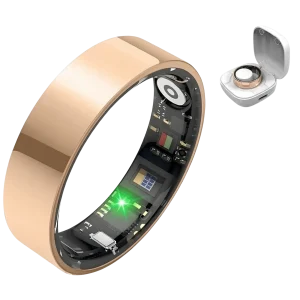
Beyond the wrist, the wearable technology category covers a growing range of form factors that address specific needs more discreetly or more precisely than a watch or band can. Smart rings offer continuous health monitoring in a form factor that is genuinely unobtrusive, with multi-day battery lives and sensor sets focused on recovery, readiness, and sleep quality rather than active workout tracking or notification display. For users who find a wrist device uncomfortable during sleep or certain activities, a ring form factor collects the same core biometric data without the bulk, and the models stocked here are specified with their sensor capabilities and companion app features so the comparison with wrist-worn alternatives is straightforward. Hearables, including open-ear sport earphones and earbuds with built-in fitness sensing, combine audio functionality with biometric monitoring in a way that removes the need for a separate wrist device during running and cycling. Posture correction wearables and light activity monitors for sedentary lifestyle management round out this section, covering the parts of the wearable technology space that address health concerns beyond athletic performance. Cy Deals updates this section regularly to reflect devices that have demonstrated genuine real-world utility rather than stocking products that have been superseded by meaningfully better alternatives at the same price point.