
Large Dog Cages
Finding the perfect large dog cages for your beloved pet is essential for their comfort, safety, and training. Whether you have a Labrador, German Shepherd, or Golden Retriever, our collection offers spacious, durable cages designed to give your dog room to move, rest, and feel secure. From heavy-duty metal crates to collapsible travel options, we stock a variety of styles suited to Cypriot homes and lifestyles. Every cage is built with your dog’s well-being in mind, ensuring they have a safe haven they can call their own.
Showing the single result
-
-50%IN STOCK
 IN STOCK
Dog Cages, Dog Furniture, Pet Supplies
Original price was: 139,99 €.69,99 €Current price is: 69,99 €. Add to basket
Showing the single result
Complete Guide to Choosing the Right Cage for Your Large Dog
A quality cage provides your large breed dog with a secure, personal space that serves multiple purposes. Beyond being a safe sleeping area, it becomes an invaluable tool for house training, travel, and managing anxiety. Large breeds such as Labradors, Golden Retrievers, German Shepherds, and Rottweilers need cages that accommodate their size while providing adequate ventilation, visibility, and comfort.
In Cyprus, where many families live in apartments or villas with limited indoor space, a well-chosen cage helps maintain order without compromising your dog’s quality of life. The right cage creates boundaries, reduces destructive behaviour when you’re away, and gives your pet a retreat during hot summer afternoons.
Types of Cages for Large Dogs
Wire Metal Crates
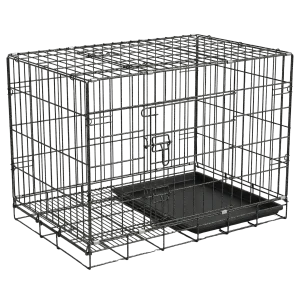
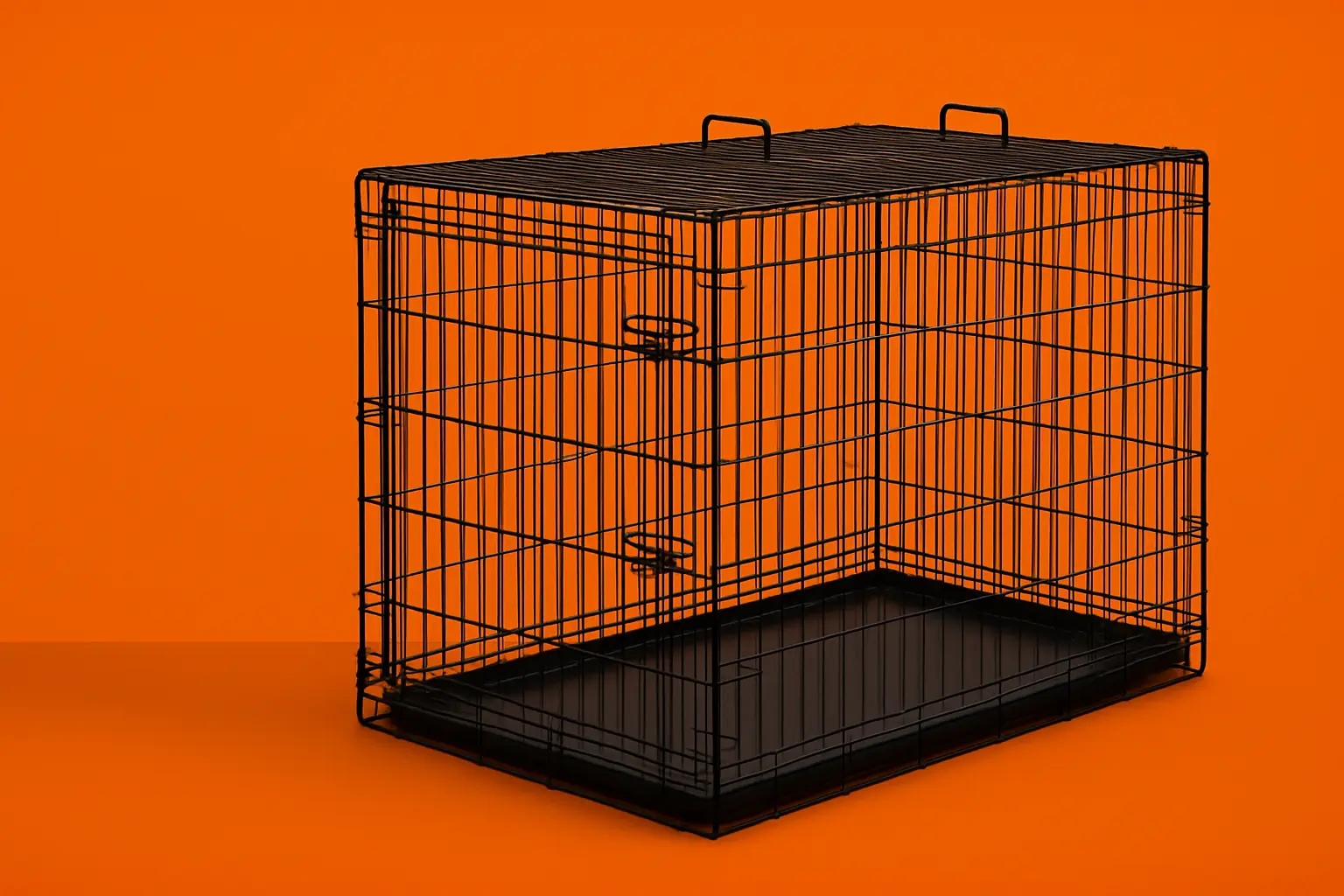
Wire crates are the most popular choice for large breeds. They offer excellent airflow, which is particularly important in Cyprus’s warm climate. Most models fold flat for storage and feature removable trays for easy cleaning. The open design allows your dog to see their surroundings, reducing feelings of isolation.
Heavy-Duty Cages
If you have a strong or anxious dog prone to escape attempts, heavy-duty options with reinforced bars and secure locking mechanisms provide extra security. These are ideal for breeds with powerful jaws or dogs still learning proper crate behaviour.
Soft-Sided Portable Crates
While less common for permanent use, soft-sided crates work well for travel or temporary accommodation. They’re lightweight and easy to transport, perfect for road trips to the Troodos Mountains or beach holidays in Ayia Napa.
Furniture-Style Cages
For those who prefer aesthetics alongside functionality, furniture-style cages double as end tables or decorative pieces. These wooden or composite designs blend seamlessly into your home décor while providing your dog with a comfortable den.
Key Benefits of Using a Cage
Safety and Security
A cage keeps your dog safe when you cannot supervise them directly. It prevents access to hazardous items, protects furniture from chewing, and ensures your pet doesn’t wander into dangerous situations.
House Training Support
Cages accelerate house training by leveraging your dog’s natural instinct to keep their sleeping area clean. Consistent crate training helps establish bathroom routines and reduces accidents indoors.
Anxiety Reduction
Many dogs find comfort in enclosed spaces. A cage becomes their sanctuary during thunderstorms, fireworks, or when household activity becomes overwhelming. This is especially valuable during summer festivals or New Year celebrations common throughout Cyprus.
Travel Convenience
A familiar cage makes travel less stressful. Whether visiting the vet in Limassol or taking a ferry trip, having a portable cage helps your dog feel secure in unfamiliar environments.
How to Choose the Right Cage for Your Large Dog
Measure Your Dog Properly
Your dog should be able to stand up without hunching, turn around comfortably, and lie down with legs extended. Measure your dog from nose to tail base, then add 10-15cm for length. For height, measure from floor to the top of their head when standing, adding 10cm clearance.
Consider Your Dog’s Adult Size
If you’re caging a puppy, account for their expected adult dimensions. Adjustable dividers let you modify internal space as your puppy grows, making one cage suitable from puppyhood through adulthood.
Assess Build Quality
Check for smooth edges, secure latches, and stable construction. Cheap cages may bend or break under pressure from large breeds. Look for powder-coated finishes that resist rust, important in Cyprus’s humid coastal areas.
Evaluate Door Configuration
Single-door cages work in corners, while double-door models offer flexible placement. Side and front access points make it easier to position the cage in various room layouts.
Think About Portability
If you travel frequently or move the cage between rooms, consider weight and folding capability. Some models include handles or wheels for easier transport.
Setting Up and Introducing the Cage
Place the cage in a family area where your dog can see and hear household activity. Avoid isolated spots like garages or distant bedrooms, which can increase anxiety. In Cyprus homes, consider cooler areas away from direct sunlight streaming through windows.
Make the space inviting with comfortable bedding, favourite toys, and perhaps an old t-shirt with your scent. Never use the cage as punishment. It should always represent a positive, safe space.
Introduce gradually. Start with short periods while you’re home, rewarding calm behaviour with treats and praise. Slowly extend duration as your dog becomes comfortable. Some dogs adapt within days; others need several weeks.
Care and Maintenance Tips
Regular Cleaning
Remove and wash bedding weekly. Wipe down bars and trays with pet-safe disinfectant. In dusty Cypriot conditions, cleaning prevents buildup that could irritate your dog’s respiratory system.
Inspect for Damage
Check latches, welds, and bars monthly. Repair or replace damaged components immediately to prevent escapes or injuries.
Manage Temperature
During hot months, position cages away from direct sunlight. Use cooling mats or frozen water bottles wrapped in towels to help your dog stay comfortable. Ensure constant access to fresh water.
Update Bedding Seasonally
Lighter bedding works better in summer; thicker options provide warmth during cooler winter nights, particularly in mountainous regions of Cyprus.
Common Mistakes to Avoid
Don’t choose a cage that’s too small to save money or space. Cramped conditions cause stress and physical discomfort. Avoid leaving dogs crated for excessive periods; adult dogs generally shouldn’t exceed 4-6 hours without breaks.
Never force your dog into the cage aggressively. This creates negative associations that undermine training efforts. Patience and positive reinforcement yield better long-term results.
Don’t place the cage in high-traffic areas where your dog cannot rest peacefully. Balance social inclusion with quiet retreat opportunities.
Frequently Asked Questions
What size cage does my large breed dog need?
Most large breeds like Labradors and German Shepherds need cages measuring 106-122cm in length. Measure your specific dog and add 10-15cm to their body length for proper sizing. The cage should allow standing, turning, and stretching comfortably.
How long can I leave my large dog in a cage?
Adult dogs can typically stay crated for 4-6 hours during the day. Puppies need more frequent breaks, roughly one hour per month of age. Always provide bathroom breaks, exercise, and social interaction before and after crating periods.
Are wire or plastic cages better for large dogs?
Wire cages generally suit large breeds better due to superior ventilation and visibility. They’re particularly practical in Cyprus’s warm climate. Plastic crates work well for air travel but can feel confining for daily use with bigger dogs.
Should I use a divider in my large dog cage?
Dividers are excellent for puppies, allowing you to adjust space as they grow. For house training, the divided area should only be large enough for sleeping, encouraging bathroom control. Remove dividers once your dog is fully grown and trained.
Can large dog cages be used outdoors in Cyprus?
While possible temporarily, outdoor use requires weather protection. Cyprus sun can overheat metal cages, and winter rain causes rust. If used outdoors, place in full shade with weather covers. Indoor placement is generally safer and more comfortable.
How do I stop my large dog from barking in the cage?
Ensure the cage isn’t associated with punishment or isolation. Cover partially with a blanket to create a den-like atmosphere. Provide engaging toys and ensure your dog is exercised before crating. Ignore attention-seeking barking but reward quiet behaviour.
Do I need a cage if my large dog is well-behaved?
Even well-trained dogs benefit from having a personal space. Cages provide security during stressful situations, safe containment during emergencies, and comfortable travel accommodation. Many dogs voluntarily use their cage as a preferred resting spot.
What’s the best cage for anxious large dogs?
Heavy-duty cages with reinforced construction prevent escape attempts. Add calming elements like covers for den-like security, familiar bedding, and anxiety-reducing toys. Gradual desensitization training helps anxious dogs view their cage positively.
How do I clean a large dog cage effectively?
Remove all bedding and toys. Spray bars and tray with pet-safe disinfectant, letting it sit for several minutes. Scrub with a brush, then rinse thoroughly. Dry completely before replacing clean bedding. Weekly deep cleaning prevents odour and bacteria buildup.
Are collapsible cages durable enough for large breeds?
Quality collapsible cages using thick gauge wire and secure latches handle large breeds well. Check weight ratings and read reviews specific to your breed size. These models balance portability with strength, ideal for Cypriot families who travel between cities or visit holiday homes.