
Indoor Bicycles
Shop high-quality indoor bicycles for effective home cardio workouts and cycling training. Our collection includes stationary bikes, spin bikes, and recumbent models designed for all fitness levels. Features include adjustable resistance, comfortable seats, digital displays tracking distance and calories, and sturdy frames supporting intensive training sessions. Perfect for weight loss, endurance building, and low-impact exercise from the comfort of your home. From compact foldable designs to professional-grade cycling bikes with magnetic resistance and app connectivity, find the ideal indoor bicycle for your fitness goals.
Showing all 2 resultsSorted by popularity
-
Exercise Bikes, Cardio Equipment, Home Gym Equipment
Original price was: 199,99 €.144,99 €Current price is: 144,99 €. Add to basket -
Exercise Bikes, Home Gym Equipment
Original price was: 339,99 €.299,99 €Current price is: 299,99 €. Add to basket


Showing all 2 resultsSorted by popularity
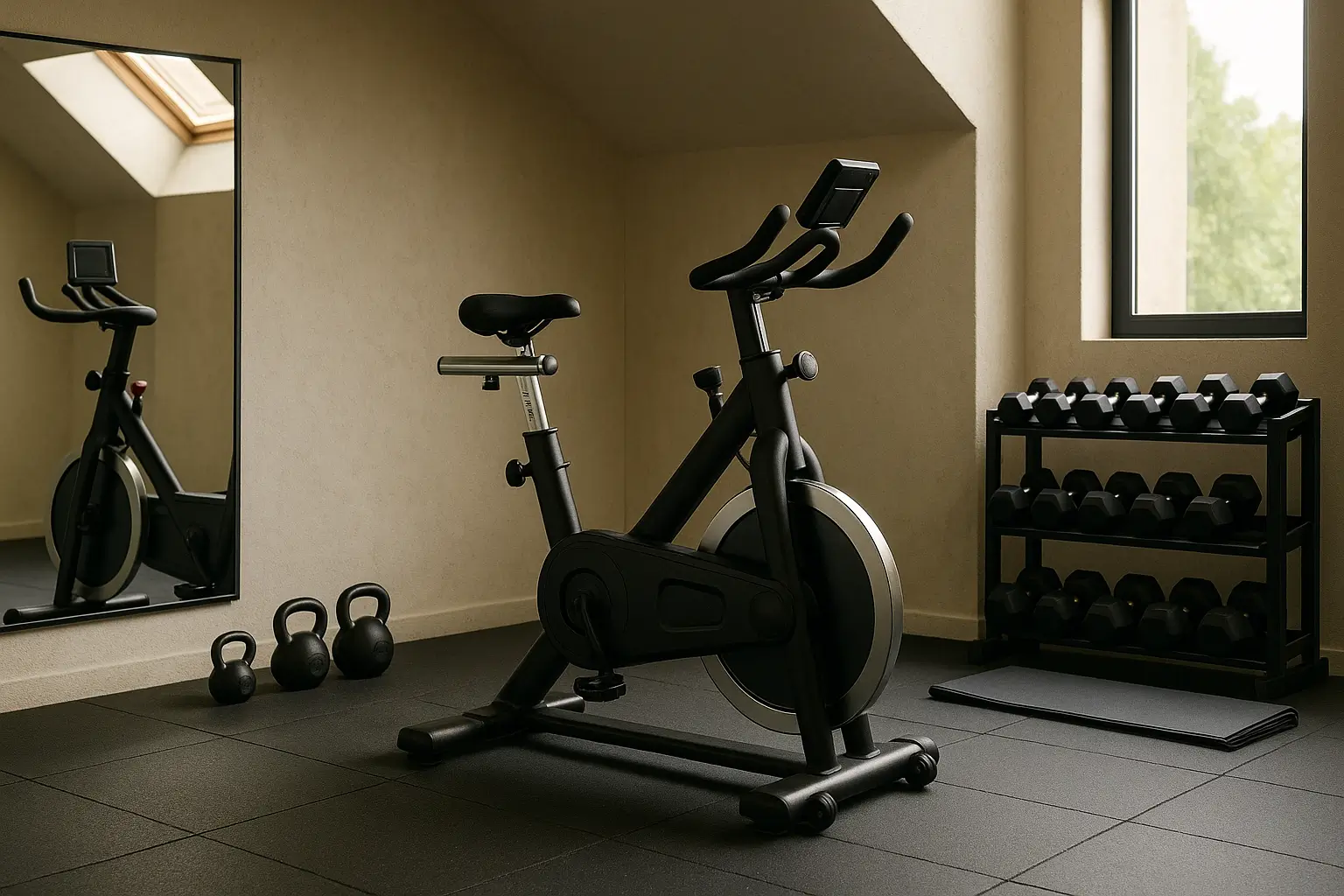
Indoor Bicycles: Your Complete Guide to Home Cycling in Cyprus
Cycling delivers one of the most efficient cardiovascular workouts available. It burns calories, strengthens legs, improves heart health, and protects your joints from impact stress. Indoor bicycles bring all these benefits into your home, eliminating weather concerns, traffic dangers, and time wasted commuting to gyms or outdoor routes.
What Indoor Bicycles Actually Are
The term “indoor bicycle” encompasses several distinct types of stationary cycling equipment. Understanding these differences helps you choose the right bike for your specific needs and training goals.
Upright exercise bikes replicate traditional bicycle positioning with vertical seating and standard handlebar placement. They’re comfortable, familiar, and what most people picture when thinking about home cardio equipment. The upright position engages your core moderately while focusing effort on your legs. These bikes suit general fitness, weight loss, and moderate cardio training.
Spin bikes take a more aggressive approach. Built for serious cycling workouts, they feature forward-leaning positions, heavy flywheels, and construction that mimics road cycling. The riding posture demands more core engagement and allows standing climbs and sprints. If you’re after intense cardio sessions that replicate studio cycling classes, spin bikes deliver that experience at home.
Recumbent bikes position you in a reclined seat with back support and pedals positioned forward rather than below. This design removes pressure from your lower back and distributes your weight across a larger seat area. People recovering from injuries, those with back problems, or anyone wanting comfortable long-duration cardio sessions often prefer recumbent designs.
Air bikes use fan resistance that increases proportionally with your effort. The harder you pedal, the more resistance you face. These bikes typically include moving handlebars for full-body engagement. They’re brutal for high-intensity interval training but less suitable for steady-state cardio due to the constantly variable resistance.
Understanding Your Training Goals
Your fitness objectives should drive your bicycle choice more than any other factor. Different bikes excel at different things.
For weight loss and general fitness, most exercise bikes work excellently. You need consistent cardio that you’ll actually do regularly. Comfort becomes crucial here because uncomfortable equipment gets abandoned. Look for adjustable seats, multiple resistance levels, and features that make 30-45 minute sessions enjoyable rather than torturous.
For serious cardiovascular training, you want bikes that handle intense effort. Heavy flywheels, robust frames, and precise resistance control let you execute structured workouts with interval training, threshold work, and progressive overload. These sessions push your limits, so equipment stability and adjustability become non-negotiable.
For rehabilitation or low-impact exercise, recumbent bikes provide the gentlest approach. The supported position eliminates balance concerns and reduces joint stress to absolute minimums. Physical therapists often recommend recumbent cycling for patients rebuilding strength after surgery or injury.
For space-constrained homes, foldable upright bikes offer the best compromise. They deliver legitimate workouts while collapsing to slim profiles that slide into closets or stand against walls. The folding mechanism does introduce a slight stability trade-off compared to fixed-frame bikes, but quality models minimize this concern.
Resistance Systems Explained
How a bike creates resistance fundamentally affects your riding experience and maintenance requirements.
Magnetic resistance uses magnets positioned near a metal flywheel. Adjusting resistance moves magnets closer to or farther from the flywheel, changing the magnetic field strength without any physical contact. This means zero maintenance, absolutely silent operation, and smooth resistance curves. For apartment living in Cyprus, magnetic systems prevent noise complaints and operate perfectly at any hour.
Friction resistance employs brake pads that press directly against the flywheel. Turning a resistance knob increases or decreases pad pressure, giving you direct control over workout intensity. These systems are simple, reliable, and what traditional spin bikes use. The trade-off is eventual brake pad replacement—usually after a year or more of heavy use—and slightly more operational noise than magnetic systems.
Air resistance relies on fan blades that spin as you pedal. The faster you pedal, the more air resistance you encounter. This creates a naturally progressive workout where your effort directly determines difficulty. Air bikes never need resistance adjustment because the system is inherently self-regulating. However, they’re considerably louder than magnetic or friction systems due to the fan noise.
Electronic resistance appears in premium bikes with motorized systems controlled via console buttons or app integration. These allow precise resistance changes and enable automatic adjustments during programmed workouts. Paired with cycling apps, electronic resistance creates immersive virtual riding experiences where the bike automatically increases resistance on virtual hills.
Key Features Worth Considering
Seat comfort determines whether you’ll actually use your bike consistently. Padded seats with adequate width prevent the discomfort that cuts workouts short. Many bikes include adjustable seats that move vertically and horizontally, letting you dial in proper fit. Some models accept standard bicycle saddles, allowing you to swap for your preferred seat if the included one doesn’t suit you.
Console displays range from basic LCD screens showing speed, time, and distance to advanced touchscreens running apps and streaming classes. Consider what information motivates you. Some people need minimal data and prefer focusing purely on effort. Others thrive with metrics, virtual environments, and structured programs guiding every session.
Handlebar adjustability affects both comfort and workout variety. Multi-position handlebars with various grip options let you change hand placement during long rides, reducing fatigue and allowing different riding postures. For spin bikes, this becomes particularly important since these bikes are designed for varied positions including standing efforts.
Heart rate monitoring adds valuable training data. Most mid-range and premium bikes include pulse sensors on handlebars or wireless connectivity for chest straps. Training within specific heart rate zones optimizes fat burning, builds endurance, or develops cardiovascular capacity depending on where you target your effort.
Transport wheels sound minor until you need to move a 40kg bike across a room. Quality bikes include wheels on one end, letting you tip and roll them rather than lifting their entire weight. This matters for people who can’t dedicate permanent floor space to equipment.
Build Quality and Durability
Cheap indoor bicycles disappoint quickly. Wobbly frames, squeaky resistance, uncomfortable seats, and failing electronics turn motivation into frustration within months.
Frame construction determines longevity. Look for steel frames with tube thickness of at least 2-3mm and solid welds at joints. Bikes rated for 110-130kg user weight typically have the structural integrity to handle daily use without developing annoying squeaks or dangerous instability.
Flywheel weight affects riding smoothness significantly. Heavier flywheels (6kg and up for standard exercise bikes, 13kg and up for spin bikes) create momentum that carries you through pedal strokes naturally. Lighter flywheels feel choppy and require more muscular effort to maintain steady cadence, which becomes fatiguing during longer sessions.
Pedal quality separates functional from frustrating. Pedals should include secure foot cages or straps at minimum. Better bikes offer dual-sided pedals with cages on one side and clip-in mechanisms on the other, accommodating both regular trainers and cycling shoes. Clip-in capability dramatically improves power transfer and pedaling efficiency for serious cyclists.
Crankset and drive systems need robust engineering to handle thousands of pedal revolutions weekly. Belt drives have become standard on quality bikes because they’re quiet, maintenance-free, and smooth. Chain drives work well too but require occasional lubrication. The critical factor is solid construction and proper engineering throughout the drivetrain.
Space Planning for Cyprus Homes
Most indoor bicycles occupy roughly 120-150cm length by 50-60cm width of floor space. That’s comparable to a small armchair, making them viable even in apartments with limited room.
Ceiling height rarely poses problems since you’re seated. Even standing efforts on spin bikes don’t require exceptional clearance. The bigger consideration is ventilation—cycling generates significant heat and sweat. Position your bike near windows or in well-ventilated spaces, especially important during Cyprus summers.
Permanent placement versus storage depends on your available space and usage patterns. If you’ll ride 4-5 times weekly, permanent placement makes sense because constant setup and breakdown creates friction that reduces consistency. For occasional users or very tight spaces, foldable bikes offer legitimate compromise between functionality and storage efficiency.
Consider flooring protection. Equipment mats beneath bikes prevent sweat damage to floors, reduce vibration transmission to lower apartments, and protect hard surfaces from scratches or indentations. These mats cost €20-40 but save significantly more in potential floor repairs.
The Price Reality
Budget indoor bicycles (€150-350) provide basic functionality. You’ll get cycling at home with adjustable resistance and simple consoles. Build quality and smoothness won’t match premium models, but for casual users or people testing whether indoor cycling suits them, these deliver adequate value.
Mid-range options (€350-700) represent the sweet spot for regular home use. You’ll get better flywheels, smoother resistance, comfortable seats, and features like bottle holders and device shelves. These bikes handle 4-5 weekly sessions and last for years with minimal maintenance. Most home cyclists find everything they need in this category.
Premium indoor bicycles (€700-1500+) approach or match commercial gym quality. Exceptional construction, precise engineering, advanced consoles with app integration, and components built for daily use. For dedicated cyclists training 6-7 days weekly, the enhanced experience and reliability justify the investment.
Why Indoor Cycling Works Long-Term
Cycling is remarkably joint-friendly. Unlike running, there’s no impact shock traveling through your ankles, knees, and hips. This makes indoor bicycles ideal for people with joint concerns, those recovering from injuries, or anyone wanting intense cardio without the wear and tear of high-impact exercise.
The calorie-burning efficiency is undeniable. Moderate cycling burns 400-500 calories hourly, while intense sessions can exceed 600-700 calories. You’re simultaneously building leg muscle, particularly quadriceps, hamstrings, and calves, while strengthening your cardiovascular system.
Weather independence matters enormously in Cyprus. Summer heat makes outdoor cycling uncomfortable or dangerous during midday hours. Winter rain creates unpleasant riding conditions. Indoor bicycles eliminate weather as a variable in your fitness routine. Consistency becomes easier when you can train comfortably regardless of conditions outside, and that consistency produces actual results over time.
The workout variety keeps training interesting. Steady endurance rides, high-intensity intervals, hill climbs, recovery sessions—indoor bicycles accommodate every cycling training methodology. You control intensity completely through resistance adjustment and pedaling effort, allowing progressive overload as your fitness improves.
Making the Right Decision
The bike that gets used consistently beats the perfect bike gathering dust. Consider your realistic training habits, available space, and actual fitness goals rather than aspirational plans.
Match features to personality. Tech-oriented people might thrive with app connectivity and virtual environments. Others prefer simple bikes with minimal distractions. Neither approach is superior—what matters is choosing equipment that sustains your motivation long-term.
Indoor bicycles represent one of the most reliable home fitness investments available. They’re mechanically simple, require minimal maintenance, and deliver proven results for cardiovascular health and weight management. For anyone serious about fitness in Cyprus, having a quality indoor bicycle removes every excuse between you and consistent training. That accessibility is worth far more than the initial investment.