
Spin Bikes
Transform your home into a professional cycling studio with our range of high-performance spin bikes. Built for intense cardio workouts and endurance training, these indoor cycling bikes feature heavy flywheels, adjustable resistance systems, and ergonomic designs that replicate outdoor cycling. Our collection includes models with magnetic resistance, belt drive systems, and digital consoles tracking speed, distance, and calories. Comfortable padded seats, multi-grip handlebars, and sturdy steel frames support riders of all fitness levels. Perfect for HIIT workouts, endurance rides, and low-impact cardio sessions at home.
Showing the single result
-
Exercise Bikes, Home Gym Equipment
Original price was: 339,99 €.299,99 €Current price is: 299,99 €. Add to basket

Showing the single result
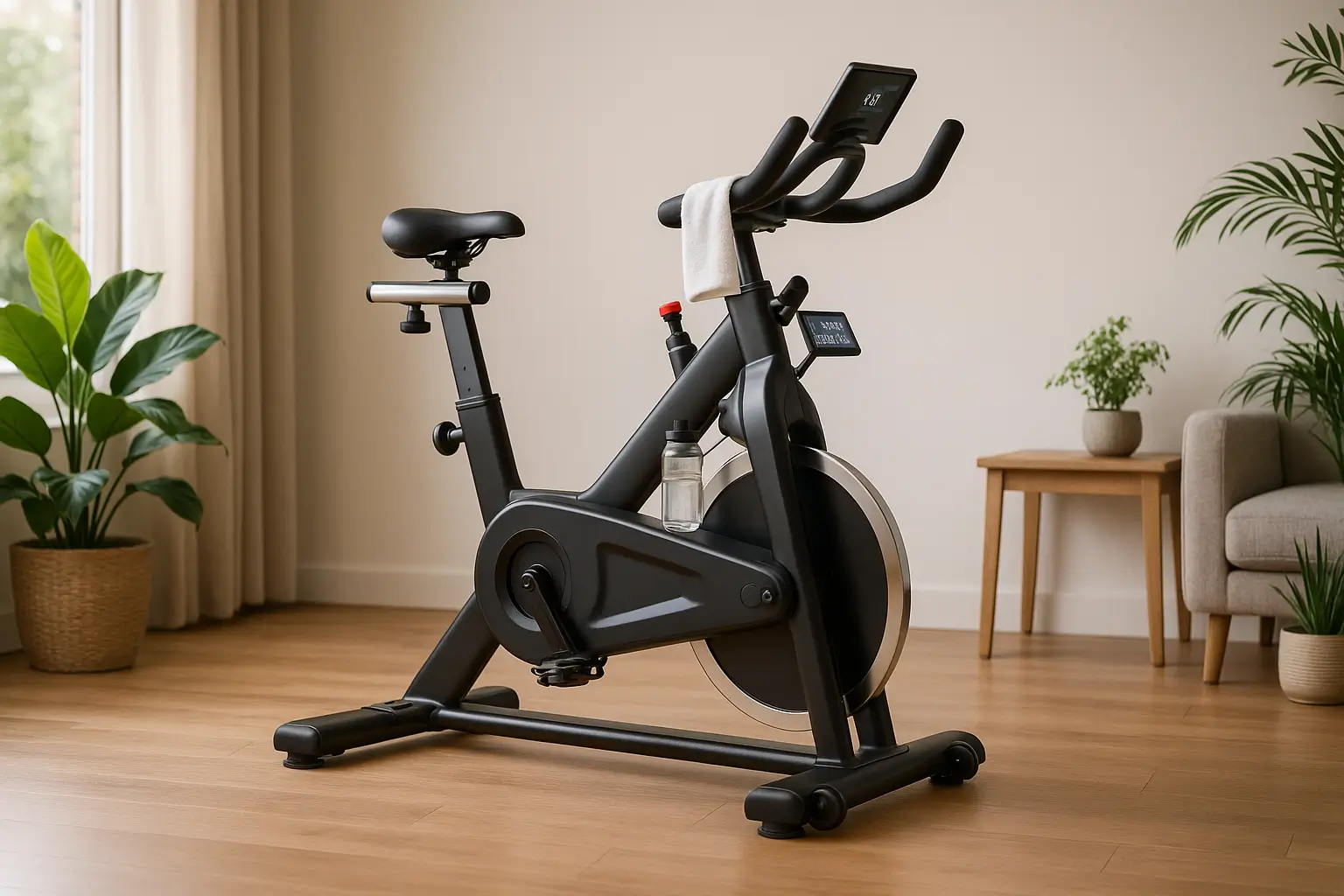
Spin Bikes: Bringing Studio Cycling Home to Cyprus
Indoor cycling has exploded in popularity over the past decade, and for good reason. Spin bikes deliver intense cardiovascular workouts that torch calories, build leg strength, and improve endurance—all without the joint impact of running. They’ve become the go-to cardio solution for people who want serious results without leaving home.
What Makes Spin Bikes Different
Regular exercise bikes are fine for gentle pedaling while watching TV. Spin bikes are built differently. Entirely.
The riding position mimics road bikes with forward-leaning posture and multiple hand positions on the handlebars. This engages your core throughout the workout and allows for standing climbs and sprints—movements impossible on traditional stationary bikes. The heavy flywheel creates momentum that feels like real outdoor cycling, where your legs maintain rhythm rather than fighting against choppy resistance.
That flywheel weight matters more than most people realize. Heavier flywheels (18kg and up) provide smoother, more natural pedaling that’s easier on your knees and feels closer to actual road cycling. Lighter flywheels work fine for beginners, but serious riders notice the difference immediately. The momentum carries you through each pedal stroke, reducing the muscular effort needed to maintain cadence while still delivering an intense workout.
Understanding Resistance Systems
Friction resistance uses felt pads that press against the flywheel. Simple, effective, and what most traditional spin bikes employ. You turn a knob to increase or decrease pressure, giving you complete control over workout intensity. These systems are nearly silent and require minimal maintenance beyond occasionally replacing the brake pad—usually after a year or more of heavy use.
Magnetic resistance relies on magnets positioned near the flywheel. No physical contact means zero maintenance and absolutely silent operation. The resistance adjustment is often more precise with magnetic systems, and some connect to apps or consoles for automatic resistance changes during programmed workouts. They cost more upfront but eliminate the ongoing expense of replacement pads.
For apartment living in Cyprus, magnetic resistance makes particular sense. Your downstairs neighbours won’t hear anything. Early morning or late-night workouts become viable without disturbing anyone. The trade-off is price—magnetic spin bikes typically run €100-200 more than comparable friction models.
Getting the Fit Right
An improperly adjusted spin bike causes knee pain, back discomfort, and shortened workouts. Proper fit is non-negotiable.
Seat height should position your knee at a slight bend (roughly 25-30 degrees) when the pedal reaches the bottom of its stroke. Too high and you’ll rock side to side, straining your hips. Too low and you’re putting excessive stress on knee joints with each revolution. Most spin bikes offer vertical seat adjustment across a 15-20cm range, accommodating riders from about 150cm to 195cm tall.
Fore-aft seat adjustment moves the saddle closer to or farther from the handlebars. This affects how much you lean forward and where you feel muscle engagement. Proper positioning places your knee directly over the pedal spindle when the crank arms are horizontal. Bikes with four-way adjustment (vertical, horizontal, and both handlebar adjustments) let you dial in the perfect fit for your body proportions.
Handlebar height influences riding posture and comfort. Lower positions are more aggressive, engaging your core more intensely but potentially uncomfortable for beginners or people with back issues. Higher handlebars offer a more upright position that’s gentler on the lower back. Quality spin bikes provide at least 8-10cm of handlebar height adjustment.
Console Features and Connectivity
Basic consoles track the essentials. Time, distance, speed, calories, RPM. That’s often enough for people who just want to ride hard and track their effort. No apps, no complexity, just clear numbers displaying your performance metrics throughout the workout.
Advanced consoles connect via Bluetooth to fitness apps like Zwift, Peloton Digital, or Kinomap. These platforms transform solo riding into engaging experiences with virtual routes, structured workouts, and even multiplayer racing. Your spin bike becomes a portal to group rides through scenic locations worldwide, making indoor training considerably less monotonous.
Heart rate monitoring adds another dimension to training. Most mid-range and premium spin bikes include wireless chest strap receivers or handlebar pulse sensors. Training within specific heart rate zones optimizes fat burning, builds endurance, or develops cardiovascular capacity depending on your goals. Without this data, you’re essentially guessing at workout intensity.
Consider what’ll actually keep you motivated. Some people thrive with minimal data and prefer focusing purely on the physical effort. Others need metrics, virtual environments, and structured programs to maintain consistency. Neither approach is wrong—match the technology level to your personality.
Build Quality Determines Everything
Spin bikes take serious abuse. You’re standing on pedals, throwing your weight around during sprints, sweating profusely onto the frame. Cheap construction fails quickly.
Steel frames are standard, but thickness matters. Look for main frame tubes of at least 2-3mm thickness with solid welds at connection points. Bikes rated for 120-150kg user weight typically have the structural integrity to handle intense use without developing squeaks, wobbles, or worse.
The drive system affects both performance and longevity. Belt drives have become increasingly popular because they’re maintenance-free, quiet, and smooth. Chain drives require periodic lubrication but many riders prefer their direct feel and mechanical simplicity. Both work well when properly engineered—the difference is largely personal preference unless you prioritize silence.
Pedals should accept standard cycling cleats. SPD-compatible pedals let you clip in with cycling shoes, dramatically improving power transfer and pedaling efficiency. Most quality spin bikes include dual-sided pedals with toe cages on one side for regular trainers and clip mechanisms on the other for cycling shoes. This versatility means everyone in your household can use the bike comfortably.
Space Planning for Cyprus Homes
Spin bikes have surprisingly small footprints. Most measure around 120cm long by 50cm wide—considerably more compact than treadmills or ellipticals. That’s roughly the floor space of a small armchair, making them viable even in apartments with limited room.
Transport wheels on the front stabilizer make repositioning easy. Tip the bike forward onto its wheels and roll it wherever needed. This matters for people who can’t dedicate permanent floor space to exercise equipment. Roll it out for workouts, then tuck it into a corner or spare room afterward.
Ceiling height rarely causes issues since you’re sitting. Even aggressive standing climbs don’t require more than standard ceiling clearance. The bigger consideration is ventilation—intense spin workouts generate significant heat and sweat. Position your bike near a window or in a well-ventilated space. Cyprus summers make this especially important for comfortable training.
The Investment Breakdown
Budget spin bikes (€200-400) get you cycling at home. They’ll have lighter flywheels, basic consoles, and simpler construction. For occasional use or beginners testing whether indoor cycling suits them, these deliver adequate value. Expect some compromises in smoothness and durability.
Mid-range options (€400-800) offer the sweet spot for serious home use. You’ll get heavier flywheels, better build quality, comfortable seats, and features like bottle holders and device shelves. These bikes handle daily workouts and last for years with minimal maintenance. Most home cyclists find everything they need in this category.
Premium spin bikes (€800+) approach commercial gym quality. Exceptional build, precise engineering, advanced consoles, and superior components throughout. For dedicated cyclists using their bike 5-7 days weekly, the enhanced experience and reliability justify the investment. These bikes often outlast their owners’ interest in cycling.
Why Spin Bikes Work
The cardiovascular benefits are undeniable. Regular cycling strengthens your heart, increases lung capacity, and improves circulation. It’s also remarkably efficient for calorie burning—a hard 45-minute spin session can torch 400-600 calories while building leg muscle simultaneously.
Low-impact nature protects your joints. Unlike running, there’s no pounding shock traveling through your ankles, knees, and hips with every stride. This makes spin bikes ideal for people with joint issues, those recovering from injuries, or anyone wanting intense cardio without the wear and tear of high-impact exercise.
The workout versatility keeps training interesting. Steady endurance rides, high-intensity intervals, hill climbs, sprint sessions—spin bikes accommodate every cycling training style. You control the intensity completely through resistance adjustment and pedaling effort. Easy recovery rides and lung-burning threshold efforts happen on the same machine.
Cyprus weather can make outdoor cycling challenging during summer heat or winter rain. Indoor cycling eliminates weather as a variable in your fitness routine. Consistency becomes easier when you can train comfortably regardless of conditions outside. That consistency is what produces actual results over time.
Making It Work Long-Term
The bike that gets used is infinitely better than the perfect bike gathering dust. Choose based on realistic assessment of your habits, space, and commitment level. A mid-range spin bike you’ll actually ride beats a premium model that intimidates you into avoidance.
Spin bikes offer something rare in home fitness equipment—professional-grade workouts without requiring professional-grade space or complexity. They’re straightforward, brutally effective, and built to last. For anyone serious about cardiovascular fitness and leg strength, they’re worth every euro invested.