
Showing the single result
-
-20%IN STOCK
 IN STOCK
Cat Wheels, Cat Furniture, Pet Supplies
Original price was: 149,99 €.119,99 €Current price is: 119,99 €. Add to basket

Showing the single result
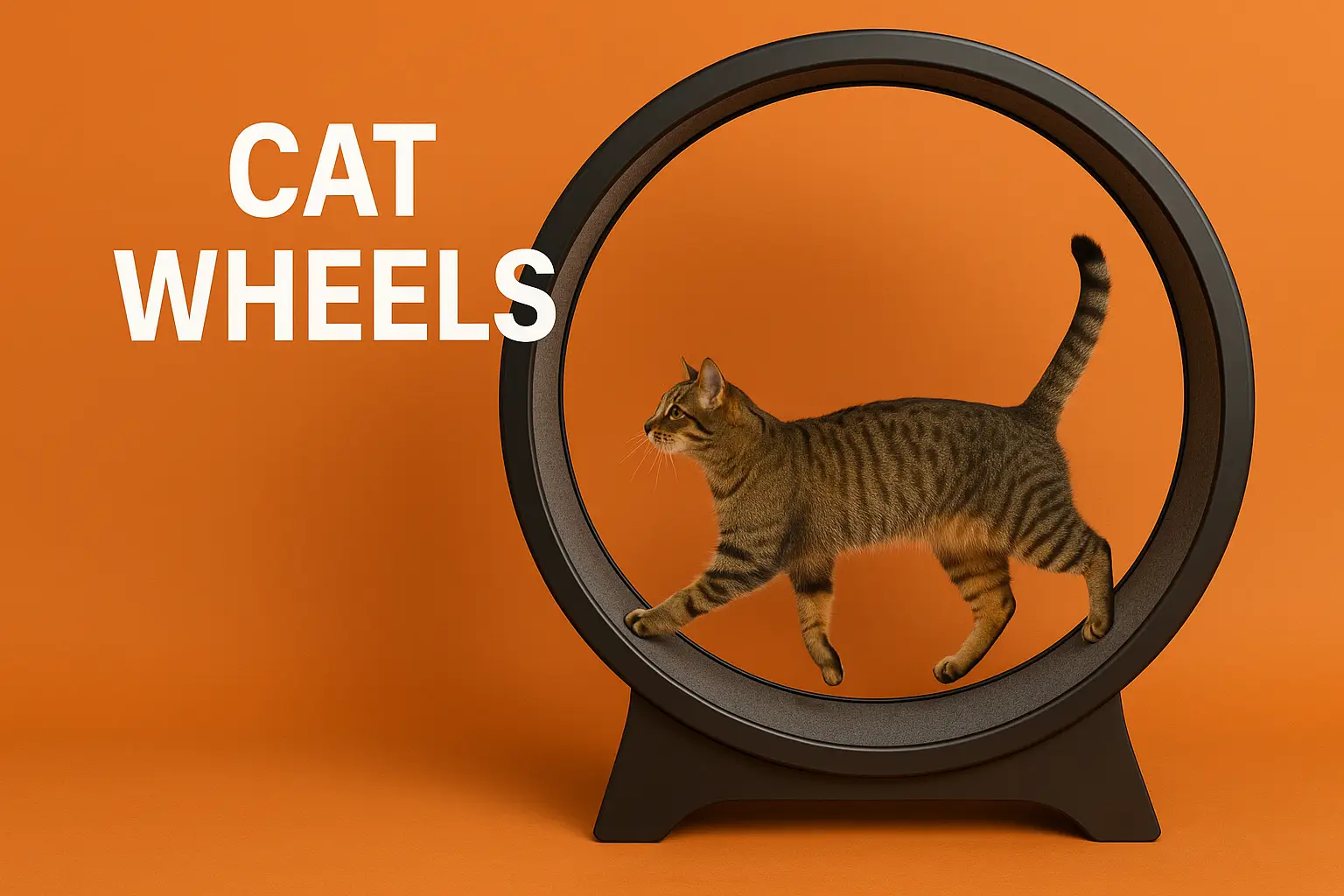
What Are Cat Wheels and Why Your Cat Needs One
A cat exercise wheel is a specially designed fitness device that allows your cat to walk, jog, or run indoors. Similar in concept to a hamster wheel but much larger and sturdier, these wheels provide an excellent way for cats to burn energy and satisfy their natural hunting and running instincts.
Indoor cats in Cyprus often face limited space for exercise, especially in apartments or smaller homes. Without adequate physical activity, cats can become overweight, bored, or develop behavioral problems like excessive meowing, scratching furniture, or nighttime zoomies. Cat wheels address these issues by offering a dedicated space for your pet to exercise whenever the mood strikes.
Key Benefits of Cat Exercise Wheels
Physical Health
Regular use of a cat wheel helps maintain a healthy weight, builds muscle tone, and improves cardiovascular fitness. This is particularly important for indoor cats who don’t have access to outdoor hunting and exploring. The consistent exercise can also help prevent obesity-related health issues like diabetes and joint problems.
Mental Stimulation
Beyond physical benefits, cat wheels provide crucial mental enrichment. The activity engages your cat’s predatory instincts and gives them a sense of purpose. Many cats become calmer and more content when they have regular access to vigorous exercise.
Behavioral Improvement
Cats with pent-up energy often display unwanted behaviors. A cat wheel can dramatically reduce nighttime activity, aggressive play, and destructive tendencies by providing a healthy outlet for excess energy.
Types of Cat Wheels Available
Traditional Open Wheel Design
The most common style features an open-sided design that allows easy entry and exit. These wheels are ideal for cats who are naturally curious and adventurous. The open design also makes it easier to train your cat to use the wheel.
Enclosed Safety Wheels
Some models feature partially enclosed sides, providing extra security for nervous cats or preventing cats from jumping off while running at high speed. These work well in households with multiple pets or young children.
Foldable and Compact Options
For homes with limited space, foldable cat wheels offer the same benefits but can be stored away when not in use. These are particularly popular in Cyprus apartments where space optimization is essential.
How to Choose the Right Cat Wheel
Consider Your Cat’s Size
Cat wheels typically range from 120cm to 150cm in diameter. Larger breeds like Maine Coons or Norwegian Forest Cats need bigger wheels to run comfortably, while standard domestic cats can use medium-sized options. Measure your cat from nose to tail base and ensure the wheel diameter is at least three times this length.
Weight Capacity
Check the maximum weight capacity of any wheel you’re considering. Most quality wheels support cats up to 10kg, but if you have a larger breed or multiple cats who might use it, opt for a sturdier model with higher weight limits.
Material and Construction
Look for wheels made from durable materials like solid wood, high-grade plastic, or metal frames. The running surface should provide good traction without being abrasive on paw pads. EVA foam or carpeted surfaces are excellent choices that balance grip and comfort.
Noise Level
Since cats often use their wheels during early morning or late evening hours, consider models with quiet bearings. Ball bearing systems tend to be quieter than basic plastic wheels.
Stability and Safety
The base should be wide and sturdy to prevent tipping. Look for non-slip feet and a balanced center of gravity. Safety features like smooth edges and secure construction are essential.
Training Your Cat to Use Their Wheel
Introducing a cat wheel requires patience and positive reinforcement. Start by placing the wheel in an area your cat frequents. Let them investigate it naturally without pressure. Use treats to encourage them to step onto the wheel, and reward any interaction.
Gently move the wheel while your cat is on it so they understand the motion. Never force your cat onto the wheel. Some cats take to it immediately, while others need weeks of gradual introduction. Play sessions near the wheel and placing favorite toys on it can speed up the training process.
Maintenance and Care Tips
Regular maintenance ensures your cat wheel remains safe and functional. Vacuum or wipe down the running surface weekly to remove fur and debris. Check the bearings monthly and apply lubricant if needed. Inspect the frame and base for any signs of wear or loosening parts.
In Cyprus’s warm climate, keep the wheel away from direct sunlight to prevent material degradation. If your home is humid, particularly in coastal areas, occasionally check for any moisture-related issues on wooden wheels.
Placement and Space Considerations
Choose a location with at least one meter of clearance around the wheel. Avoid placing it near fragile items or in high-traffic areas where people might accidentally bump into a running cat. Many cat owners in Cyprus place wheels in spare rooms, enclosed balconies, or corner living room spaces.
Ensure the floor surface is level and can support the wheel’s weight plus your running cat. Tile and hardwood floors work well, but you might want to place a mat underneath to reduce any residual noise and protect your flooring.
Frequently Asked Questions
What size cat wheel do I need for my cat?
For average-sized cats (3-6kg), a wheel with a 120-140cm diameter works well. Larger cats over 6kg should use wheels with at least 140-150cm diameter. The general rule is that the wheel diameter should be at least three times your cat’s body length for comfortable running.
How long does it take to train a cat to use a cat wheel?
Training time varies significantly between cats. Some take to cat wheels within days, while others may need 2-4 weeks of consistent, positive encouragement. High-energy breeds like Bengals, Abyssinians, and Savannah cats typically learn faster than more sedentary breeds.
Are cat wheels suitable for all cats?
Most healthy adult cats can use exercise wheels, but they’re especially beneficial for high-energy breeds and young cats under five years old. Senior cats or those with joint issues should be evaluated by a veterinarian first. Overweight cats can benefit greatly but may need gradual introduction to avoid strain.
How much space do I need for a cat wheel in my home?
Plan for approximately 2 square meters of floor space. The wheel itself takes up about 1.5 meters in diameter, but you need clearance around it for safe entry and exit. Many Cyprus apartments can accommodate cat wheels in living rooms, spare bedrooms, or large balconies.
Will a cat wheel help with my cat’s nighttime energy?
Yes, regular use of cat wheels often reduces nighttime hyperactivity. Encouraging your cat to use the wheel during evening hours can tire them out before bedtime, leading to calmer nights. Many owners report significant improvements in their cat’s sleep schedule after introducing a wheel.
How often should my cat use their exercise wheel?
There’s no fixed rule, as cats self-regulate their activity. Some cats use their wheels multiple times daily for 5-10 minute sessions, while others prefer one longer session. Aim for at least 15-20 minutes of total activity daily for optimal health benefits.
Can multiple cats share one wheel?
Yes, cats in the same household can share a wheel, though they typically prefer to use it individually. Ensure the wheel’s weight capacity accommodates your heaviest cat and clean it regularly when shared between multiple pets.
Do cat wheels require assembly?
Most cat wheels arrive partially assembled and require 30-60 minutes of setup. Basic tools are usually included. Instructions are straightforward, though having two people can make assembly easier for larger models.
Are cat wheels noisy?
Quality cat wheels with good bearing systems produce minimal noise, typically just a gentle rolling sound. Cheaper models may squeak or rumble. Regular maintenance and lubrication keep wheels running quietly, which is important for apartments and shared living spaces in Cyprus.
Where can I buy cat wheels in Cyprus and what’s the delivery time?
Cat wheels are available through specialized pet stores and online retailers serving Cyprus. Delivery times vary but typically range from 3-7 days for items in stock locally, or 1-3 weeks for imported models. Check with individual sellers for specific delivery information to your area.