
Showing all 2 resultsSorted by popularity
-
-23%IN STOCK
 IN STOCK
Cat Trees, Cat Furniture, Pet Supplies
Original price was: 129,99 €.99,99 €Current price is: 99,99 €. Add to basket -
-20%IN STOCKIN STOCK
Cat Wheels, Cat Furniture, Pet Supplies
Original price was: 149,99 €.119,99 €Current price is: 119,99 €. Add to basket


Showing all 2 resultsSorted by popularity
Why Every Cat Needs Dedicated Furniture
Cats are natural climbers, scratchers, and explorers. Without appropriate outlets for these instincts, they may turn to your sofa, curtains, or favorite chair. Investing in quality cat furniture protects your home while enriching your pet’s daily life. A well-chosen cat tree or scratching post gives your cat a sense of territory, reduces stress, and provides essential physical exercise.
In Cyprus, where many of us live in apartments or townhouses, creating vertical space for cats becomes even more important. Cat furniture allows your pet to climb, survey their domain from above, and enjoy a safe retreat when they need quiet time.
Types of Cat Furniture Available
Cat Trees and Towers
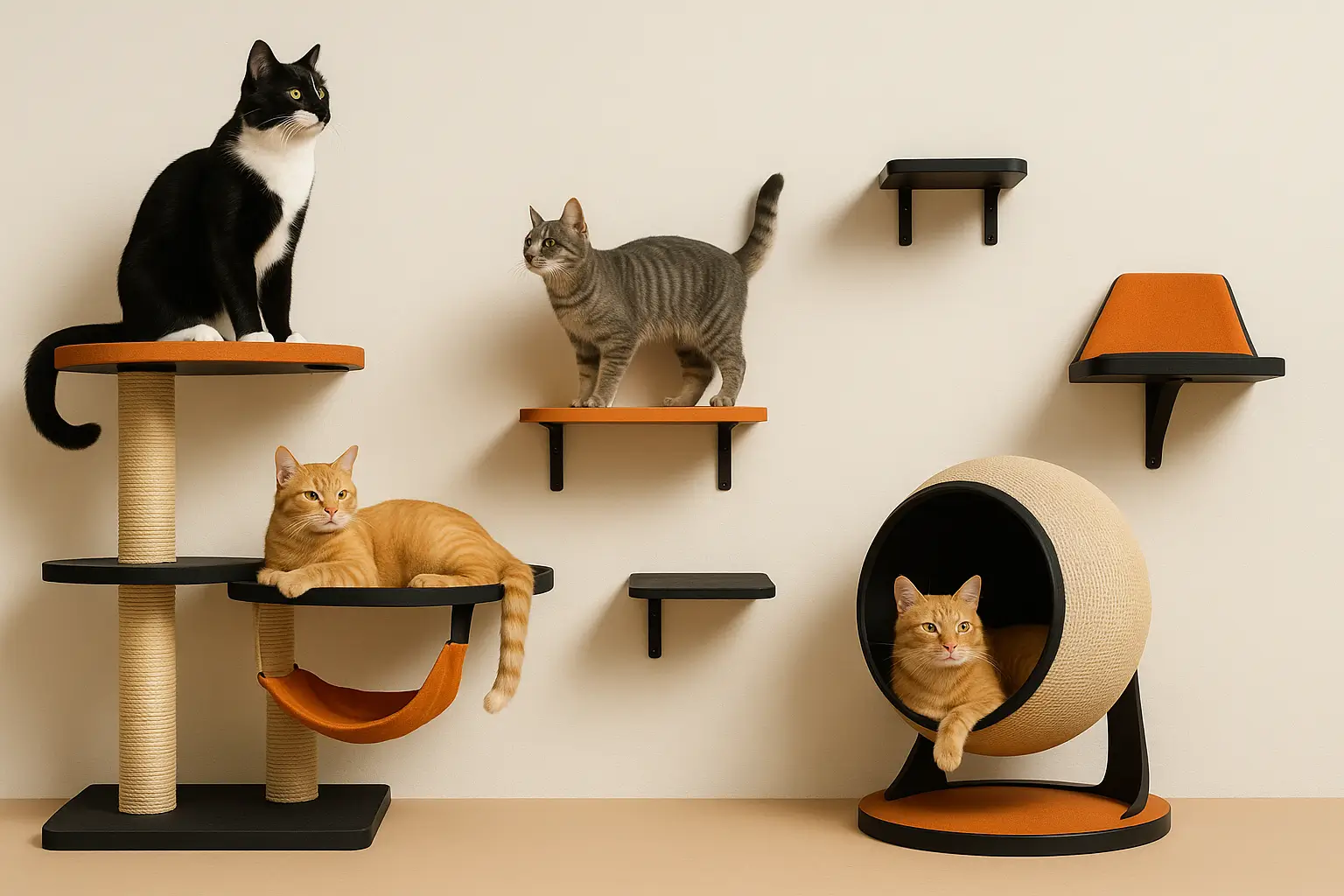
Multi-level cat trees are the ultimate playground for active cats. These structures typically feature platforms at different heights, enclosed hideaways, dangling toys, and scratching posts wrapped in sisal rope. Larger models can reach ceiling height, giving even indoor cats the climbing experience they crave.
For homes with multiple cats, choose a sturdy tower with several perches so each cat can claim their own spot. Look for wide bases and solid construction to prevent tipping, especially if you have a larger or particularly energetic cat.
Scratching Posts and Pads
Scratching is not just about keeping claws sharp. It’s how cats mark territory, stretch their muscles, and shed old claw sheaths. A dedicated scratching post saves your furniture while keeping your cat healthy and content.
Posts come in various heights and materials. Tall posts let cats stretch fully, while horizontal scratching pads appeal to cats who prefer to scratch flat surfaces. Sisal, carpet, and cardboard are the most common materials, each offering a different texture.
Cat Condos and Houses
Enclosed spaces give cats a sense of security. Cat condos feature cozy hideaways where shy or anxious cats can retreat. These enclosed areas are perfect for napping, especially during Cyprus’s hot summer afternoons when your cat wants a cool, dark place to rest.
Many condos integrate with larger cat tree systems, but standalone options work beautifully in bedrooms or quiet corners.
Window Perches and Shelves
Cats love watching the world go by. Window perches attach directly to windows or walls, creating a comfortable spot where your cat can bask in sunlight and observe birds, passing pedestrians, or neighborhood activities.
Wall-mounted cat shelves create climbing pathways around your room, turning empty wall space into an adventure zone. These work particularly well in modern Cyprus homes where floor space may be limited.
Cat Beds and Loungers
While not traditional “furniture,” cat beds deserve mention. Hammocks that attach to cat trees, elevated loungers, and cushioned platforms give your cat comfortable resting spots at various heights. Some cats prefer sleeping high up, while others like ground-level beds tucked in quiet corners.
Benefits of Quality Cat Furniture
Physical Health and Exercise
Indoor cats need opportunities to jump, climb, and stretch. Cat furniture provides essential physical activity that maintains muscle tone, supports healthy weight, and prevents boredom-related behavioral issues. Regular climbing and scratching also promote joint flexibility, particularly important as cats age.
Mental Stimulation and Stress Relief
Environmental enrichment keeps your cat mentally sharp and emotionally balanced. Having their own furniture gives cats choices throughout the day: where to nap, which height to observe from, or when to engage in active play. This autonomy reduces anxiety and promotes overall wellbeing.
Territory and Security
Cats are territorial creatures. Designated furniture establishes clear boundaries and gives your cat confidence in their environment. In multi-pet households, having multiple pieces of cat furniture prevents competition and reduces conflict.
Protection for Your Home
Perhaps the most practical benefit is furniture protection. When cats have appealing alternatives, they’re far less likely to scratch sofas, climb curtains, or knock over decorative items. The investment in cat furniture often pays for itself in prevented damage.
How to Choose the Right Cat Furniture
Consider Your Cat’s Age and Personality
Kittens need sturdy structures with easy-to-reach lower levels. Senior cats benefit from furniture with gentle slopes or steps rather than high jumps. Timid cats prefer enclosed spaces, while confident, active cats want tall towers with multiple platforms.
Observe your cat’s habits. Do they scratch vertically or horizontally? Do they prefer high perches or ground-level hiding spots? Choose furniture that matches their natural preferences.
Measure Your Space
Before purchasing, measure the intended location carefully. Consider ceiling height for tall cat trees and ensure there’s adequate clearance around the furniture so your cat can easily access all sides.
In Cyprus apartments, look for space-efficient designs that maximize vertical space without overwhelming your floor plan. Corner cat trees utilize otherwise unused areas effectively.
Check Stability and Construction
Safety comes first. Look for wide, heavy bases that won’t tip, even with multiple cats playing simultaneously. Read reviews about stability, particularly for taller structures.
Examine materials closely. Pressed wood with quality laminate resists wear better than cheap particleboard. Sisal rope should be tightly wound and securely attached. Platforms need adequate weight capacity.
Choose Appropriate Materials
Natural sisal rope is ideal for scratching surfaces. Soft plush or fleece works well for resting areas. Avoid materials that might irritate sensitive paws or that will deteriorate quickly in Cyprus’s climate.
Consider maintenance too. Removable, washable cushions keep furniture hygienic. Replaceable scratching sections extend the life of your investment.
Think Long-Term
Quality cat furniture represents a significant investment, but durable pieces last for years. Consider whether the design will work as your cat ages or if you add more cats to your family. Modular systems that allow additions or reconfigurations offer excellent long-term value.
Care and Maintenance Tips
Regular Cleaning
Vacuum or brush cat furniture weekly to remove loose fur and debris. Spot-clean any accidents immediately with pet-safe cleaners. Many cushions and covers are machine washable; check labels before purchasing.
In Cyprus’s dusty environment, especially during warmer months, regular cleaning prevents buildup that could affect your cat’s respiratory health.
Inspect for Damage
Check regularly for loose screws, fraying rope, or unstable platforms. Tighten hardware as needed and replace worn scratching surfaces before they become completely shredded. This prevents injuries and keeps furniture functional longer.
Refresh and Rotate
Sprinkle catnip on platforms occasionally to renew your cat’s interest. Rotate toys attached to the furniture or add new ones periodically. Move the furniture to different locations occasionally for variety, though most cats prefer consistency.
Address Wear Strategically
When scratching posts wear down, consider wrapping them with new sisal rope rather than replacing the entire unit. Replace individual platform cushions instead of discarding the whole structure. These small repairs extend furniture life significantly.
Frequently Asked Questions
What size cat tree do I need for my home in Cyprus?
Choose based on available space and your cat’s activity level. For apartments, a 120-150cm tall tree provides good climbing opportunities without overwhelming the room. Larger homes can accommodate floor-to-ceiling models. Measure your space carefully and ensure the base fits comfortably with clearance on all sides.
How do I get my cat to use their new furniture?
Place the furniture in areas where your cat already spends time. Sprinkle catnip on platforms and scratching surfaces. Use treats and toys to encourage exploration. Be patient; some cats investigate new items immediately while others need a few days to adjust. Never force your cat onto the furniture.
Is cat furniture safe for kittens?
Yes, but choose age-appropriate designs. Kittens need lower platforms they can reach easily and sturdy construction that supports energetic play. Avoid furniture with small parts that could become choking hazards. Supervise young kittens initially to ensure they navigate safely.
How often should I replace cat furniture?
Quality pieces can last 5-10 years with proper maintenance. Replace individual components like scratching posts or cushions as they wear rather than discarding the entire structure. If the furniture becomes unstable, shows significant structural damage, or poses safety risks, it’s time for replacement.
Can I use cat furniture outdoors in Cyprus?
Most cat furniture is designed for indoor use. Cyprus’s sun, humidity, and temperature fluctuations will deteriorate materials quickly. If you want outdoor climbing options, look specifically for weather-resistant cat furniture or create a covered catio space that protects furniture from the elements.
What’s the difference between sisal rope and carpet scratching surfaces?
Sisal rope is more durable and provides excellent texture for scratching. It lasts longer than carpet and doesn’t snag claws. Carpet offers a different sensation some cats prefer. Many quality pieces include both options, letting your cat choose their preference.
Do I need multiple pieces of cat furniture for one cat?
One well-designed piece often suffices for a single cat, but having options in different rooms can be beneficial. Place a scratching post near where your cat wakes up (cats often scratch after sleeping) and perhaps a window perch in a sunny spot. Multiple cats definitely need multiple pieces to prevent territorial disputes.
How do I prevent cat furniture from tipping over?
Choose models with wide, heavy bases. Some manufacturers offer wall-mounting brackets for extra stability; use these for very tall structures or in homes with particularly active cats. Place furniture against walls rather than in open spaces for additional support. Never compromise on stability, especially with large or multi-cat households.