
Showing the single result
-
-23%IN STOCK
 IN STOCK
Cat Trees, Cat Furniture, Pet Supplies
Original price was: 129,99 €.99,99 €Current price is: 99,99 €. Add to basket

Showing the single result
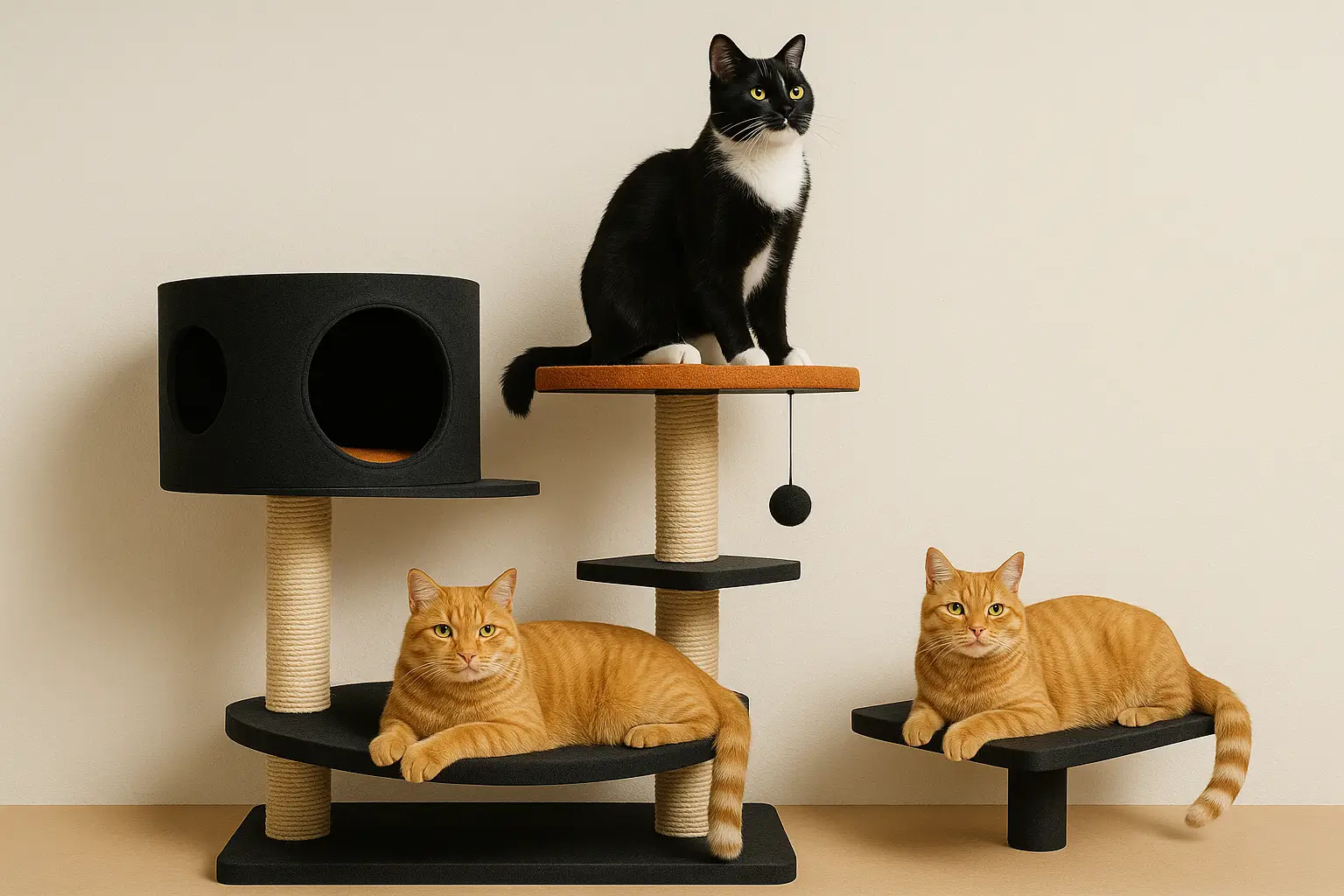
Why Every Cat Needs a Climbing Structure
Cats are natural climbers and explorers. In the wild, they scale trees to survey their territory, escape predators, and find comfortable resting spots. Indoor cats retain these instincts, which is why a well-designed cat tree becomes an essential piece of furniture in any home. These structures provide physical exercise, mental stimulation, and a sense of security that helps reduce stress and behavioural issues.
A quality climbing tower gives your cat multiple benefits in one compact footprint. The vertical design maximises space, making it ideal for apartments and homes where floor space is precious. In Cyprus, where many families live in flats or townhouses, a cat tree offers an efficient way to enrich your pet’s environment without cluttering your living area.
Types of Cat Trees and Climbing Structures
Compact Scratching Posts
Perfect for kittens or single cats in smaller spaces, these simplified designs typically feature one or two levels with a sisal-wrapped post. They’re affordable, easy to move, and provide the essentials: a scratching surface and a perch.
Mid-Height Activity Towers
These popular options stand between 80-120cm tall and include multiple platforms, hanging toys, and enclosed hideaways. They suit most adult cats and fit comfortably in living rooms or bedrooms without dominating the space.
Large Multi-Level Complexes
For homes with multiple cats or particularly active felines, these impressive structures reach heights of 150cm or more. They feature numerous platforms at varying heights, multiple scratching posts, hammocks, tunnels, and spacious condos. These create a complete adventure park for your pets.
Wall-Mounted Climbing Systems
An increasingly popular alternative, these modular systems attach to your walls and create vertical pathways without taking up floor space. They’re excellent for creating custom climbing routes and work particularly well in modern apartments.
Key Benefits for Your Cat and Your Home
Physical Health and Exercise
Climbing, jumping, and stretching on different levels provides cardiovascular exercise and helps maintain healthy muscle tone. This is especially important for indoor cats who may not get as much activity as their outdoor counterparts. Regular use helps prevent obesity, a growing concern for house cats.
Mental Stimulation
The varied textures, heights, and hiding spots create an engaging environment that fights boredom. Cats can patrol their territory from elevated vantage points, satisfying their instinct to survey their domain. This mental engagement reduces stress and anxiety.
Furniture Protection
Perhaps the most appreciated benefit for owners: a dedicated scratching surface saves your sofas, curtains, and door frames. Cats need to scratch to maintain their claws and mark territory. Providing appropriate surfaces redirects this natural behaviour away from your belongings.
Territory and Security
In multi-cat households, vertical space reduces conflict by allowing each cat to claim their own level. Height equals status in feline social structures, so multiple elevated spots help cats coexist peacefully. Even single cats feel more secure when they can retreat to a high perch.
How to Choose the Right Cat Tree
Consider Your Cat’s Age and Mobility
Kittens and young cats love tall structures with challenging jumps between levels. Senior cats or those with mobility issues need closer platforms and easier access. Look for designs with ramps or gradual step heights if your cat is older or recovering from injury.
Match Size to Your Space
Measure your available area before purchasing. Remember that cats need space to jump on and off, so allow clearance around the structure. For Cyprus apartments, consider corner designs that utilise unused space efficiently.
Assess Stability and Weight Capacity
A wobbly tree will frighten your cat and may become dangerous. Look for wide bases, quality construction, and weight limits that exceed your cat’s size (especially if you have large breeds like Maine Coons). Heavier bases provide better stability.
Material Quality Matters
Sisal rope offers the best scratching surface, lasting far longer than carpet or cardboard. Plush covering provides comfort for resting areas. Check that platforms are made from solid wood or sturdy engineered board, not thin particle board that may sag.
Platform Size and Number
Your cat should be able to stretch out fully on at least one platform. Multiple cats need enough perches that they can avoid direct contact when desired. Count one main perch per cat, plus extras for choice.
Climate Considerations for Cyprus Homes
Cyprus summers can be warm, so consider designs with breathable platforms rather than only enclosed condos. Some cats prefer open perches where air circulates. However, cosy hideaways remain popular year-round for security-seeking cats.
Placement Tips for Maximum Use
Position your cat tree near a window if possible. Cats love watching outdoor activity, birds, and passing traffic. This entertainment value dramatically increases usage. However, ensure the structure won’t overheat in direct summer sun.
Place it in a room where your family spends time. Cats are social creatures who want to be near their humans while maintaining their independence. A tree in a busy living area gets more use than one isolated in a spare room.
Allow enough clearance for your cat to jump safely on and off. Avoid placing it too close to ceiling fans or delicate items that might get knocked during enthusiastic play sessions.
Maintenance and Care
Regular Cleaning
Vacuum platforms weekly to remove fur and debris. Spot-clean any accidents or spills immediately. Most plush surfaces can be wiped with a damp cloth and pet-safe cleaner.
Inspect for Wear
Check stability monthly by gently shaking the structure. Tighten any loose screws or bolts. Examine sisal rope for significant wear; some models allow you to replace individual posts rather than the entire unit.
Refresh the Appeal
Sprinkle catnip on platforms occasionally to renew interest. Rotate hanging toys or add new ones to keep the environment stimulating. If your cat loses interest, try moving the tree to a new location for novelty.
Replace When Necessary
Most quality cat trees last 2-5 years depending on use intensity. Replace when the structure becomes unstable, posts are completely shredded, or platforms show significant wear. Your cat’s safety should always come first.
Making the Investment Worthwhile
A good cat tree represents an investment in your pet’s wellbeing and your home’s condition. While prices vary, remember that quality construction lasts longer and provides better value than cheap alternatives that need frequent replacement.
Consider your cat tree as essential furniture, not an optional luxury. The physical and mental health benefits, combined with furniture protection, typically offset the initial cost within the first year. Many cat owners report that their pets use their climbing structure daily for years.
For multi-cat households, the territorial benefits alone can prevent behavioural issues that might otherwise require veterinary consultation or behaviorist intervention.
Frequently Asked Questions
What size cat tree should I buy for my apartment in Cyprus?
For most Cyprus apartments, a mid-height tower (80-120cm) offers the best balance of functionality and space efficiency. Measure your available floor space and ceiling height before purchasing. Corner designs work particularly well in compact living areas, while still providing multiple levels for your cat to enjoy.
How do I know if a cat tree is stable enough?
Look for models with wide, heavy bases (at least 40cm x 40cm for mid-sized trees). The weight capacity should exceed your cat’s weight by at least 30%. Read reviews specifically mentioning stability, especially from owners of large or active cats. Once assembled, you should be unable to tip the structure easily by pushing on the highest platform.
Will my cat actually use a cat tree?
Most cats naturally gravitate to vertical spaces and scratching opportunities. To encourage use, place the tree near windows or in frequently used rooms. Sprinkle catnip on platforms initially and use toys to create positive associations. If your cat seems hesitant, place treats on lower levels first, then gradually higher as confidence builds.
How often should I replace sisal scratching posts?
This depends on your cat’s scratching habits. Active scratchers may wear through sisal in 12-18 months, while gentle users might take several years. Replace when rope becomes significantly frayed or loose, or when underlying material shows through. Some designs allow individual post replacement without buying an entire new structure.
Can I use a cat tree for multiple cats?
Absolutely. In fact, cat trees help reduce territorial conflicts in multi-cat homes by providing vertical space for each cat. Choose a larger model with multiple platforms at different heights. A good rule is one main perch per cat, plus at least two extras. Ensure the base can handle the combined weight of all your cats using it simultaneously.
Do kittens and senior cats need different types of structures?
Yes. Kittens benefit from tall structures with challenging jumps that encourage activity and development. Senior cats need closer platform spacing (30cm or less), gentle ramps, and easily accessible hideaways. Consider your cat’s life stage and any mobility issues when selecting a design.
How do I clean and maintain a cat tree?
Vacuum platforms weekly to remove fur. Spot-clean with pet-safe cleaners as needed. Check and tighten bolts monthly. Inspect sisal posts for excessive wear and replace when necessary. Deep clean plush surfaces every few months using a handheld vacuum and upholstery cleaner, allowing it to dry completely before use.
Where should I position a cat tree in my home?
The best locations are near windows (for entertainment) and in rooms where your family spends time (for social interaction). Avoid direct sunlight that might overheat the structure during Cyprus summers. Ensure sufficient clearance around the tree for safe jumping on and off, and keep it away from ceiling fans or fragile items.