
Showing all 2 resultsSorted by popularity
-
-10%IN STOCK
 IN STOCK
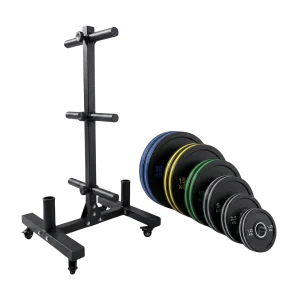
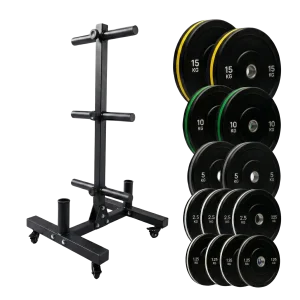
Weight Plates, Gym Accessories, Home Gym Equipment
Original price was: 499,99 €.449,99 €Current price is: 449,99 €. Add to cart -
-13%IN STOCK
IN STOCK
Weight Plates, Gym Accessories, Home Gym Equipment
Original price was: 399,99 €.349,99 €Current price is: 349,99 €. Add to cart
Showing all 2 resultsSorted by popularity
Everything You Need to Know About Weight Plates for Your Home Gym
Strength training at home has never been more popular, and at the heart of every effective setup lies a solid collection of weight plates. Whether you’re pressing, pulling, squatting, or carrying, these simple yet essential tools allow you to progressively challenge your body and build real, lasting strength. For fitness enthusiasts in Cyprus looking to create a personal training space, understanding the different types, materials, and sizing options available will help you make smarter purchasing decisions.
This guide covers everything you need to know before buying, from plate types and compatibility to care tips that will keep your equipment performing for years.
Types of Weight Plates Explained
Not all plates are created equal. The right choice depends on your training style, the barbell you own, and your lifting environment.
Cast Iron Plates
Cast iron plates are the classic choice for home gyms. They’re affordable, incredibly durable, and available in a wide range of weights. Their compact size makes them ideal for racks and storage trees. However, they can be noisy when dropped and may damage flooring, so they work best with controlled lifting movements.
Bumper Plates
Made from dense rubber, bumper plates are designed to be dropped from overhead without damaging floors or the plates themselves. They’re the go-to option for Olympic lifting movements like cleans, snatches, and jerks. If your training involves dynamic lifts or you’re working out in an apartment or shared space in Cyprus, bumper plates offer both safety and noise reduction.
Rubber-Coated Plates
These plates combine an iron core with a rubber exterior. They offer a quieter experience than bare cast iron and provide some floor protection. They’re a popular middle-ground option for lifters who want durability without the full bulk of bumper plates.
Fractional and Change Plates
Small increment plates, often ranging from 0.25kg to 2.5kg, allow for micro-loading. These are essential for progressive overload when you’re working through strength plateaus or fine-tuning your lifts.
Olympic vs Standard: Which Size Do You Need?
One of the most important considerations when shopping for weight plates is hole size. This determines compatibility with your barbell.
Olympic Plates (50mm / 2-inch hole)
Olympic plates fit Olympic barbells, which are the standard in commercial gyms and serious home setups. These bars are 2.2 metres long with rotating sleeves, making them ideal for compound lifts. Most high-quality plates, including competition bumper plates, come in Olympic sizing.
Standard Plates (25mm / 1-inch hole)
Standard plates are designed for lighter, shorter bars typically used in basic home gyms or for isolation exercises. They’re more affordable but offer less versatility as your training advances.
If you’re building a long-term home gym in Cyprus, investing in Olympic-sized equipment from the start is generally the wiser path.
Key Benefits of Training with Weight Plates
Adding plate-loaded exercises to your routine offers distinct advantages over machines or fixed-weight equipment.
Progressive Overload Made Simple
By gradually increasing the weight on your bar, you can continuously challenge your muscles. This principle is the cornerstone of strength development, and plates make it easy to scale in small or large increments.
Versatility Across Movements
From barbell lifts to plate-loaded machines, landmine presses, and even plate carries, your collection can support dozens of exercises. A few well-chosen plates unlock an enormous range of training possibilities.
Space Efficiency
Compared to bulky machines, a barbell and a set of plates take up minimal floor space. For homes and apartments across Cyprus where space may be limited, this compact setup delivers maximum training value.
Long-Term Investment
Quality plates last a lifetime with minimal care. Unlike cardio machines with electronics and moving parts, a solid iron or rubber plate simply does its job decade after decade.
How to Choose the Right Weight Plates
Selecting the right plates depends on several factors. Here’s a quick buying guide to help you decide.
Consider Your Training Style
Olympic lifters and CrossFit enthusiasts benefit from bumper plates. Powerlifters and general strength trainers often prefer cast iron or rubber-coated options for their compact profile.
Think About Your Environment
Training in a garage or dedicated gym room? Cast iron works great. Exercising in an upstairs flat or shared building? Bumper plates reduce noise and protect your flooring.
Start with Essential Weights
A practical starter set might include pairs of 5kg, 10kg, 15kg, and 20kg plates. This gives you enough range to load a barbell from 20kg up to 120kg or more, covering most beginner and intermediate needs.
Plan for Progression
Buy with the future in mind. Ensure the plates you choose are from a brand or line you can expand later. Mismatched plates work fine functionally, but uniform sets are easier to load and look better on the bar.
Caring for Your Weight Plates
Proper maintenance extends the life of your equipment and keeps your gym looking sharp.
Cleaning
Wipe down rubber and coated plates regularly with a damp cloth. For cast iron, use a dry cloth to prevent rust. If surface rust appears, a light scrub with steel wool and a thin coat of oil will restore them.
Storage
Store plates on a weight tree, horizontal rack, or wall-mounted holder. Keeping them off the floor prevents moisture damage and makes your space safer and more organised.
Flooring Protection
Even with bumper plates, using rubber gym flooring or horse stall mats protects both your plates and your floor. This is especially important for home gyms in Cyprus where tile or concrete surfaces are common.
Frequently Asked Questions
What weight plates should I buy for a home gym?
For most home gyms, a set of Olympic bumper plates or rubber-coated iron plates offers the best balance of durability, versatility, and value. Start with a range from 5kg to 20kg pairs and expand as needed.
Are bumper plates better than iron plates?
It depends on your training. Bumper plates are better for Olympic lifts and noisy environments because they can be safely dropped. Iron plates are more compact and affordable, making them ideal for controlled lifts like squats and presses.
Can I mix different brands of weight plates?
Yes, as long as the hole diameter matches your barbell (Olympic or standard), you can mix brands. Just be aware that plate thickness may vary, which can affect how many fit on your bar.
How many weight plates do I need to start?
A good starting set includes two plates each of 5kg, 10kg, 15kg, and 20kg. This allows you to load between 20kg and 120kg, which covers most foundational strength exercises.
Do weight plates damage floors?
Cast iron plates can crack tiles or dent wood if dropped. Bumper plates are designed to minimise floor damage. Using rubber gym flooring adds an extra layer of protection regardless of plate type.
What is the difference between Olympic and standard weight plates?
Olympic plates have a 50mm (2-inch) centre hole and fit Olympic barbells. Standard plates have a 25mm (1-inch) hole for lighter, standard bars. Olympic equipment is more versatile and widely used.
How do I prevent rust on cast iron plates?
Keep them dry, store them off the floor, and wipe them down after use. If rust appears, clean it with steel wool and apply a thin layer of 3-in-1 oil or similar protectant.