
Wall Mounted Pull Up Bars
Build serious upper body strength with professional wall mounted pull up bars designed for home gyms and training spaces. Our collection features heavy-duty steel construction, multiple grip positions, and secure mounting systems supporting intense bodyweight training. From compact single bars to multi-grip stations with neutral and wide grips, these pull up bars handle pull-ups, chin-ups, hanging leg raises, and muscle-ups. Each unit includes all necessary mounting hardware and supports high weight capacities for safe, stable training. Space-efficient designs perfect for home workouts, garage gyms, and CrossFit training.
Showing the single result
-
-18%PRE-ORDER
 PRE-ORDER
Pull Up Bars, Home Gym Equipment
Original price was: 109,99 €.89,99 €Current price is: 89,99 €. Pre Order Now!

Showing the single result
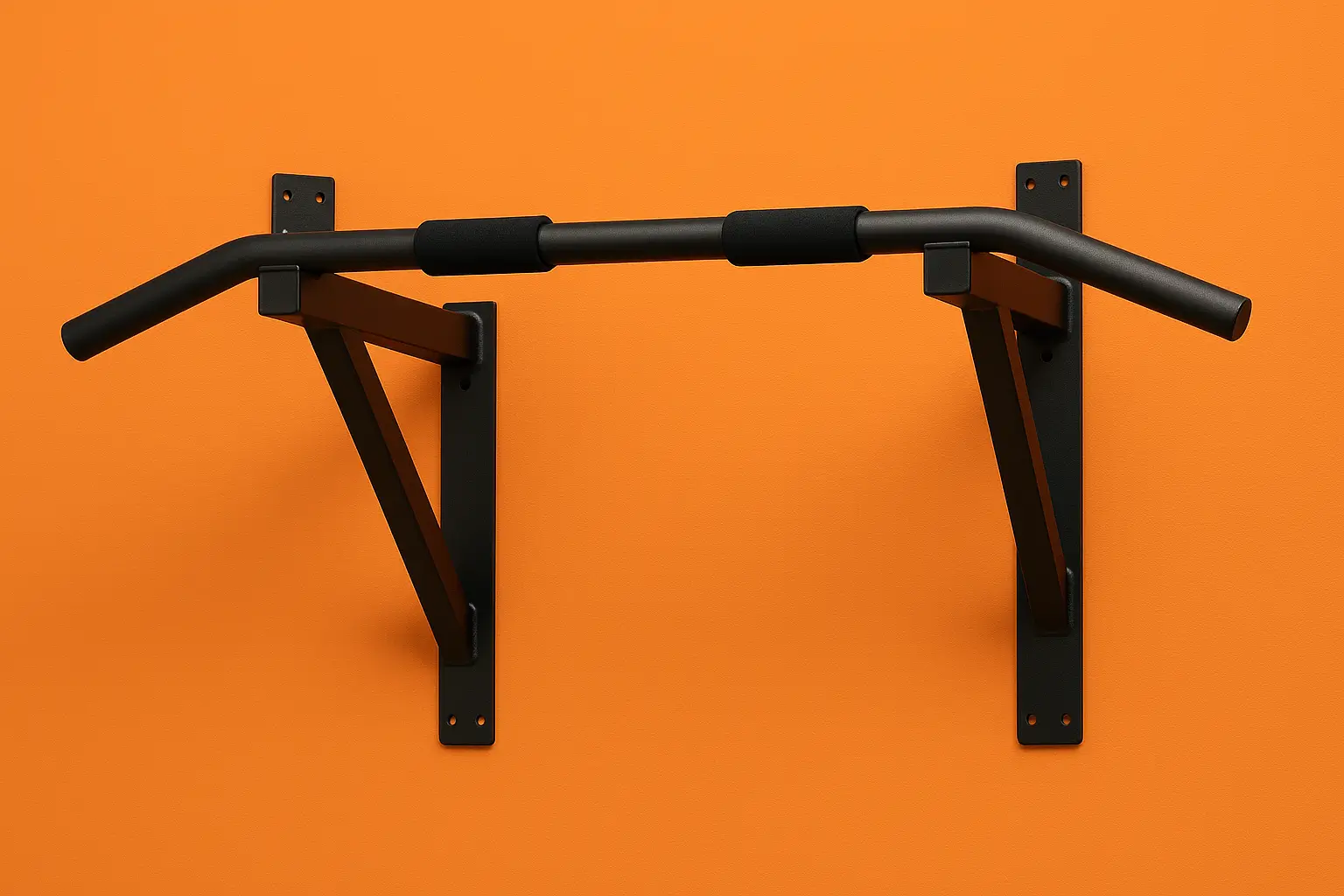
Wall Mounted Pull Up Bars: Maximum Strength Training, Minimum Space
Pull-ups remain one of the most effective upper body exercises ever invented. They build back width, strengthen shoulders, develop grip, and engage your core throughout every rep. Wall mounted pull up bars bring this fundamental movement into your home without sacrificing floor space or requiring bulky power racks.
Why Wall Mounting Makes Sense
Doorway pull up bars have limitations. They can’t handle heavy loads safely, they damage door frames over time, and they restrict grip width options. Wall mounted systems attach directly to studs or concrete, creating a permanent training station that won’t budge under your heaviest sets.
The stability difference is immediately noticeable. When you’re doing explosive pull-ups or kipping movements, you need equipment that stays absolutely solid. Wall mounted bars don’t flex, swing, or shift because they’re anchored into structural elements of your home. This isn’t just about comfort—it’s about safety during dynamic movements where instability could cause serious injury.
Installation requires planning but isn’t complicated. You’re drilling into wall studs (for drywall installations) or directly into concrete (for garage or basement setups). Most bars include heavy-duty lag bolts, wall plates, and detailed instructions. If you can use a drill and level, you can install a pull up bar. Takes about 30-45 minutes.
For Cyprus homes with concrete walls, installation is actually simpler in some ways. Concrete anchors distribute load across a broader area and you’re not limited to stud spacing. Masonry bits and appropriate anchors (usually included) let you position the bar exactly where you want it.
Understanding Grip Options
Single straight bars offer one grip width. Simple, effective, and what most people think of when they picture pull up bars. The standard grip width is typically 90-110cm, accommodating most shoulder widths comfortably. These bars work perfectly for strict pull-ups, chin-ups, and hanging core work.
Multi-grip bars provide several hand positions on a single unit. You’ll get wide grip options for lat emphasis, narrow grips for bicep focus, and neutral (parallel) grips that are easier on shoulders and wrists. This versatility means one bar can target your back and arms from multiple angles, essentially giving you several pieces of equipment in one installation.
Neutral grips deserve special mention. Many people find traditional overhand pull-ups aggravate their shoulders or elbows. Neutral grip positions reduce joint stress while still delivering an excellent workout. For anyone with previous shoulder injuries or joint sensitivity, having neutral grip options makes the difference between training consistently and avoiding pull-ups altogether.
Angled grips add another dimension. Some advanced bars include grips positioned at 45-degree angles, which many athletes find most natural for their shoulder mechanics. These aren’t essential, but they’re valuable for people who do high-volume pull-up training and want to minimize repetitive stress.
Build Quality Separates Good from Dangerous
Steel thickness matters critically here. You’re trusting this bar with your full bodyweight plus the dynamic forces generated during actual pulling movements. Look for bars made from steel tubing at least 3-4cm in diameter with 2-3mm wall thickness. Anything thinner will flex under load, creating an unstable and potentially unsafe training environment.
Weight capacity should exceed 150kg minimum for serious home use. This accounts for heavier athletes, weighted pull-ups with additional resistance, and the dynamic loading that occurs during explosive movements. Commercial-grade bars often support 200-250kg, which provides a substantial safety margin and indicates robust construction throughout.
Powder coating protects the steel from rust and provides grip texture. In Cyprus, where humidity can be significant, corrosion resistance becomes essential for longevity. Quality powder coating also prevents the bar from becoming slippery when your hands sweat during intense sets.
Mounting plates and hardware determine whether your installation stays secure for years or gradually loosens over time. Look for reinforced steel mounting plates at least 3-4mm thick with multiple mounting points. The included bolts should be industrial-grade lag bolts or concrete anchors rated for the bar’s maximum capacity.
Space and Clearance Requirements
You need more space than you might think. The bar itself requires about 120-150cm of horizontal wall space, but that’s just the starting point. You also need clearance above (at least 30cm), below (enough for your full hanging height plus a few centimeters), and in front (60-80cm minimum) for your body to move through the full range of motion.
Calculate your hanging height carefully. Measure from your fingertips with arms fully extended overhead to the floor. Most people need 220-250cm of vertical clearance from the floor to comfortably perform pull-ups without their feet dragging. Standard Cyprus ceiling heights of 270-300cm usually provide adequate room, but verify before drilling.
Wall strength matters as much as space. Drywall alone cannot support pull up bars safely—you must anchor into studs or use concrete walls. For concrete installations, you’re good to go anywhere. For stud-mounted installations, you may need to adjust your planned position slightly to align with stud locations, typically spaced 40-60cm apart.
Corner installations can be brilliant space savers. Some bars are designed specifically for corner mounting, using two walls for support and often requiring less clearance than standard wall-mounted options. This works particularly well in garage gyms or dedicated training areas where corner space would otherwise go unused.
Exercise Variety Beyond Pull-Ups
Pull-ups are the obvious choice, but wall mounted bars enable dozens of exercises. Chin-ups shift emphasis to biceps. Wide-grip pull-ups target outer lats. Neutral grip variations reduce joint stress while maintaining effectiveness.
Hanging leg raises become possible, delivering core training that rivals any ab machine. Hang from the bar and raise your legs to horizontal, or go advanced with toes-to-bar movements that build incredible midsection strength. The static hanging position alone improves grip strength and decompresses the spine.
Muscle-ups are the ultimate expression of pull-up bar mastery. This explosive movement transitions from a pull-up into a dip position above the bar, combining pulling and pushing strength in one fluid motion. Wall mounted bars provide the stability necessary for learning and practicing muscle-ups safely.
Even if you can’t do a full pull-up yet, these bars have value. Hang from the bar to build grip strength. Practice dead hangs to develop shoulder stability. Use resistance bands looped over the bar to assist your pull-ups while you build strength. The bar grows with your fitness level.
The Investment Range
Basic single bars (€40-80) get you pulling at home. They’re straightforward, functional, and adequate for anyone who just wants to do standard pull-ups without extra features. Construction quality varies at this price point, so verify steel thickness and mounting hardware before buying.
Mid-range multi-grip bars (€80-150) deliver excellent value. You’ll get multiple hand positions, robust construction, and mounting systems designed for long-term security. Most home athletes find these provide everything they need for comprehensive upper body training. The additional grip options justify the modest price increase.
Premium commercial-grade bars (€150-300+) approach professional gym standards. Exceptional build quality, multiple grip options, often powder-coated in various colors, and hardware that could probably support a small vehicle. For serious athletes or anyone planning decades of heavy use, these represent the last pull up bar you’ll ever need to buy.
Why Pull Up Bars Are Essential
Few exercises match pull-ups for functional upper body strength. They build your back, shoulders, arms, and core simultaneously while teaching your body to move as an integrated unit. This translates directly to real-world strength in ways that isolation exercises simply can’t replicate.
The convenience factor can’t be overstated. Your pull up bar is always available. No commute, no waiting for equipment, no gym fees. Walk past it during your day and bang out a quick set. This spontaneous training accumulates significantly over weeks and months.
Pull-ups are also completely scalable. Too easy? Add weight with a dip belt or weighted vest. Too difficult? Use resistance bands for assistance or practice negative reps by jumping up and slowly lowering yourself down. The same piece of equipment serves absolute beginners and advanced athletes equally well.
For home gyms in Cyprus, where space often comes at a premium, wall mounted pull up bars deliver maximum training value from minimal footprint. They don’t occupy floor space, they don’t require electricity, and they never need maintenance beyond occasionally tightening mounting bolts.
Making the Right Choice
Consider how you’ll actually use the bar. Planning to do strict pull-ups and chin-ups only? A quality single bar handles this perfectly. Want to work different muscle angles and include neutral grip work? Multi-grip options become worth the investment.
Installation location shapes your decision too. Garage gym with exposed concrete or studs? Installation becomes straightforward. Indoor living space with finished walls? You’ll want to be more careful about placement and ensure you’re comfortable with the visual presence of the bar.
Think about progression. If you’re just starting out but plan to train seriously long-term, buying quality equipment initially saves money over replacing cheaper gear that can’t handle your advancing strength. A solid wall mounted pull up bar will outlast your interest in training—which is to say, it’ll last indefinitely.
Pull-ups build the kind of strength that actually matters. Not just muscles, but the ability to move your body through space with power and control. Wall mounted pull up bars make this training accessible, safe, and permanent. That’s worth far more than the modest investment required.