
Walking Treadmills
Walking treadmills offer a convenient way to stay active without the high impact of running. Designed for comfortable, steady-paced movement, these compact machines are ideal for home offices, living spaces, or anyone looking to incorporate more movement into their daily routine. Whether you’re working from home and want to walk while you work, recovering from an injury, or simply prefer a gentler workout, walking treadmills provide an effective low-impact cardio solution. Browse our selection to find models with features like quiet motors, space-saving designs, adjustable speeds, and desk-friendly configurations that fit seamlessly into your lifestyle.
Showing all 4 resultsSorted by popularity
-
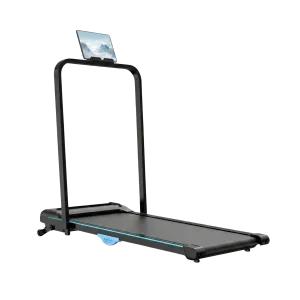
-29%IN STOCK
 IN STOCK
Treadmills, Cardio Equipment, Home Gym Equipment
Original price was: 349,99 €.249,99 €Current price is: 249,99 €. Add to basket -
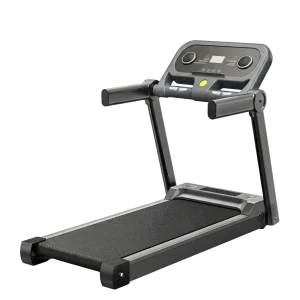
-25%IN STOCK
IN STOCK
Treadmills, Cardio Equipment, Home Gym Equipment
Original price was: 399,99 €.299,99 €Current price is: 299,99 €. Add to basket -
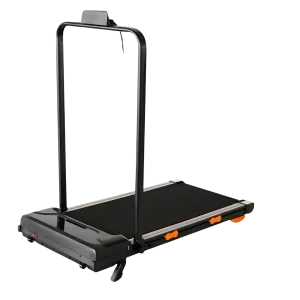
-30%IN STOCK
IN STOCK
Treadmills, Cardio Equipment, Home Gym Equipment
Original price was: 329,99 €.229,99 €Current price is: 229,99 €. Add to basket -
-17%IN STOCK
IN STOCK
Treadmills, Cardio Equipment, Home Gym Equipment
Original price was: 299,99 €.249,99 €Current price is: 249,99 €. Add to basket

Showing all 4 resultsSorted by popularity
Walking Treadmills: Your Complete Guide to Finding the Perfect Fit
Walking is simple. Yet somehow, we’ve forgotten how to do it enough.
Between desk jobs, long commutes, and the endless scroll through our devices, most of us barely hit half the steps we need each day. Walking treadmills are changing that equation entirely, bringing movement back into spaces where we spend most of our time. Not the gym. Your home office, your living room, even under your standing desk at work.
What Makes Walking Treadmills Different?
Unlike their high-powered cousins at the gym, walking treadmills are designed specifically for walking speeds—typically maxing out around 4 mph. They’re not built for running. That’s the point. These machines prioritize a compact footprint, quieter operation, and seamless integration into your daily routine over raw power and speed.
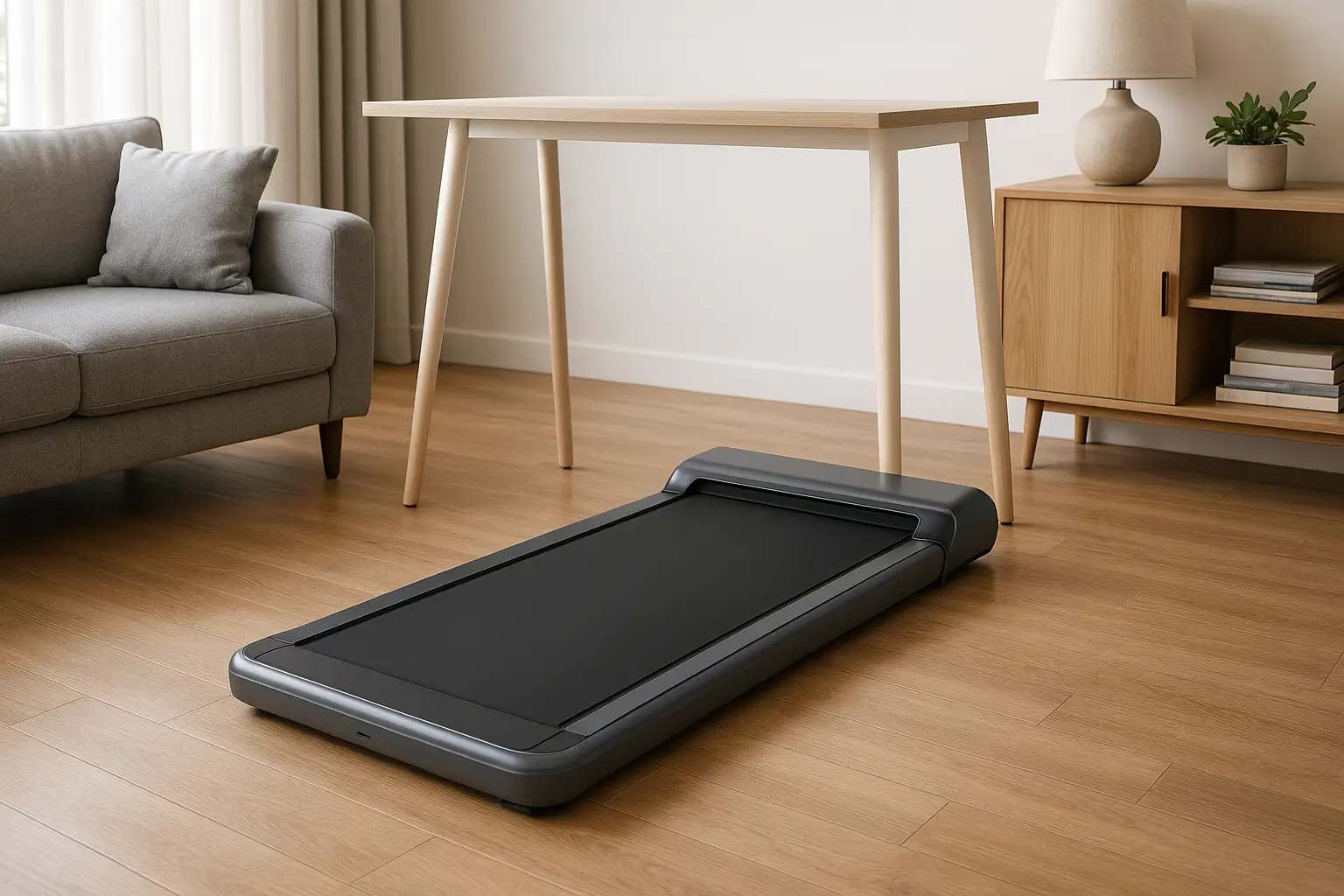
Most walking treadmills feature a lower profile without those towering handrails and bulky consoles. Some models eliminate the rails entirely, creating a sleeker design that can slide under a desk or tuck against a wall when you’re done. The focus shifts from intense cardio sessions to consistent, sustainable movement throughout your day.
Why Walking Treadmills Have Exploded in Popularity
The pandemic changed everything. Remote work became the norm, and suddenly people realized they weren’t moving at all. No walk to the car, no trek across the office, no lunch runs to the sandwich shop down the street.
Walking treadmills offered a solution. A practical one.
You could take calls while walking. Review documents while moving. Answer emails without sitting for another hour. The concept of “deskercise” went from quirky to essential, and walking treadmills became the centerpiece of healthier home offices.
But there’s more to it than just work-from-home culture. Studies consistently show that sitting for prolonged periods damages our health in ways that even regular exercise can’t fully offset. Your evening workout doesn’t cancel out eight hours of sitting. Walking treadmills let you interrupt that sitting pattern naturally, keeping your body in gentle motion without disrupting your productivity.
The Real Benefits You’ll Actually Feel
Numbers on a scale? Sure, walking burns calories. But that’s honestly not the most compelling reason to invest in walking treadmills.
Energy levels skyrocket. When you’re moving steadily at 2 mph while working, your blood circulates better. Your brain gets more oxygen. That 3 PM crash? It diminishes or disappears entirely. You’ll feel more alert, more focused, and less likely to reach for your fourth coffee.
Your back will thank you. Sitting compresses your spine and weakens your core. Walking engages your postural muscles, strengthens your lower back, and takes pressure off those lumbar discs that hate your desk chair.
Mental clarity improves dramatically. There’s something about walking that helps your brain process information differently. Problem-solving becomes easier. Creative ideas flow more readily. Many users report their best thinking happens during those slow walks while working.
Joint health stays better. Low-impact, consistent movement keeps joints lubricated and mobile. Unlike running, which can stress knees and ankles, walking at moderate speeds is gentle enough for daily use while still providing significant benefits.
Who Should Consider Walking Treadmills?
Remote workers and hybrid employees make up the obvious market. If you spend hours at a desk, walking treadmills transform that time from sedentary to active.
But they’re also perfect for:
Anyone recovering from injury. The controlled environment and low speeds make walking treadmills ideal for rehabilitation. You set the exact pace you need without weather concerns or uneven terrain complicating your recovery.
Seniors seeking safe exercise. The stability and adjustability of walking treadmills provide a secure way to maintain fitness. No ice, no curbs, no unexpected obstacles. Just smooth, predictable movement.
People with joint issues. Whether it’s arthritis, past injuries, or simply aging knees, the low-impact nature of walking at controlled speeds reduces pain while maintaining mobility.
Urban dwellers with limited outdoor access. Living on the tenth floor of an apartment building makes casual walks less appealing. Rain, cold, heat, or safety concerns can all interfere. Walking treadmills eliminate every excuse.
Key Features That Actually Matter
When you’re shopping for walking treadmills, certain features separate the worthwhile from the waste of money.
Speed range matters less than you’d think. Most walking happens between 1.5 and 3 mph. If you occasionally want a brisk 4 mph pace, fine. But don’t pay extra for speeds you’ll never use.
Belt dimensions are critical. You need enough width (at least 16 inches) to walk naturally without your feet hitting the sides. Length should be at least 40 inches, preferably longer. Too short, and you’ll feel cramped. Too narrow, and you’ll constantly correct your stride.
Noise levels determine whether you’ll actually use it. If your walking treadmill sounds like a freight train, you won’t take calls on it. You won’t use it while others are home. Look for models specifically designed for quiet operation, usually around 50 decibels or less.
Motor power needs balance. Too weak, and the belt stutters or struggles. Too powerful, and you’re paying for unnecessary capability. For walking-only models, 1.0 to 2.5 HP is typically adequate.
Height matters if you’re using it with a desk. Under-desk walking treadmills should be low enough that you can comfortably reach your keyboard without hunching. Generally, 5 inches or less in height works best.
Weight capacity tells you about build quality. Even if you’re well within the limit, higher weight capacities usually indicate sturdier construction and more durable components.
Under-Desk vs. Traditional Walking Treadmills
The walking treadmill market splits into two distinct categories, and choosing the right style depends entirely on how you plan to use it.
Under-desk models are compact, rail-free, and designed to disappear under your standing desk. They’re perfect for multitasking—walking while you work, literally. The trade-off? Less stability and fewer features. You won’t have handrails to grab if you stumble, and speed controls might be limited to a remote control.
Traditional walking treadmills look more like regular treadmills but cap out at walking speeds. They include handrails, more substantial consoles, and often better cushioning systems. You can’t work at a desk while using them, but they provide a more traditional workout experience with added stability.
Some people buy both. Sounds excessive, but think about it: one for working, one for dedicated walking sessions while watching TV or listening to podcasts. Different tools for different purposes.
Making Walking Treadmills Work in Real Life
Buying one is easy. Using it consistently? That takes strategy.
Start slower than you think you need to. Most people hop on and immediately walk at 2.5 or 3 mph. Then they’re exhausted after 20 minutes. Begin at 1.5 mph. Your body needs time to adjust to working while moving. Speed comes later.
Don’t try to multitask everything. Typing while walking takes practice. Video calls are easier than writing reports. Reviewing documents beats writing them. Start with simpler tasks and gradually work up to more complex activities.
Invest in a good anti-fatigue mat. Place one at your desk for when you’re not walking. The contrast helps, and your feet will appreciate the cushioning during standing breaks.
Set reasonable goals. Don’t aim for eight hours of walking immediately. Start with 30 minutes, then an hour, gradually increasing as your endurance builds. Walking treadmills are about sustainable daily movement, not heroic efforts.
Maintain your machine. Lubricate the belt regularly. Keep it clean. Tighten loose bolts. A well-maintained walking treadmill lasts for years. A neglected one becomes an expensive clothes rack.
The Investment Perspective
Walking treadmills range from around $200 for basic models to over $1,500 for premium options. What’s worth it?
Budget models work if you’re testing the concept. They’ll get you walking. But they often sacrifice build quality, noise levels, and durability. Great for trying out the idea, less great for years of daily use.
Mid-range options ($500-$800) typically offer the best value. You get decent motors, quieter operation, better warranties, and construction that holds up to regular use. This is the sweet spot for most buyers.
Premium walking treadmills provide top-tier components, exceptional noise reduction, advanced features, and typically longer warranties. Worth it if you’ll use it daily and want something that lasts a decade.
Your Health Deserves Movement
We’ve engineered movement out of modern life. Cars, elevators, delivery services, desk jobs—everything conspires to keep us stationary. Walking treadmills aren’t a complete solution to this problem, but they’re a remarkably effective tool.
Every step counts. Every minute of gentle movement helps. When you choose walking treadmills that fit your space, your budget, and your lifestyle, you’re not just buying exercise equipment. You’re reclaiming movement that humans are designed to do.
The best walking treadmill is the one you’ll actually use. Consider your space, your budget, and your goals. Then start walking. Your body already knows how. It’s just been waiting for you to remember.