
Cat Trees for Large Cats
Welcome to our selection of Cat Trees for Large Cats, specially designed to support the weight and size of bigger breeds like Maine Coons, Ragdolls, Norwegian Forest Cats, and other hefty felines. Standard cat trees simply aren’t built for larger cats, but our reinforced structures feature extra-wide platforms, sturdy bases, thicker posts, and higher weight capacities to ensure your big cat can climb, play, and rest safely. Each tree combines durability with comfort, giving your gentle giant the perfect space to satisfy their natural instincts without compromising on stability or safety.
Showing the single result
-
-38%IN STOCK
 IN STOCK
Cat Trees, Cat Furniture, Pet Supplies
Original price was: 129,99 €.79,99 €Current price is: 79,99 €. Add to basket

Showing the single result
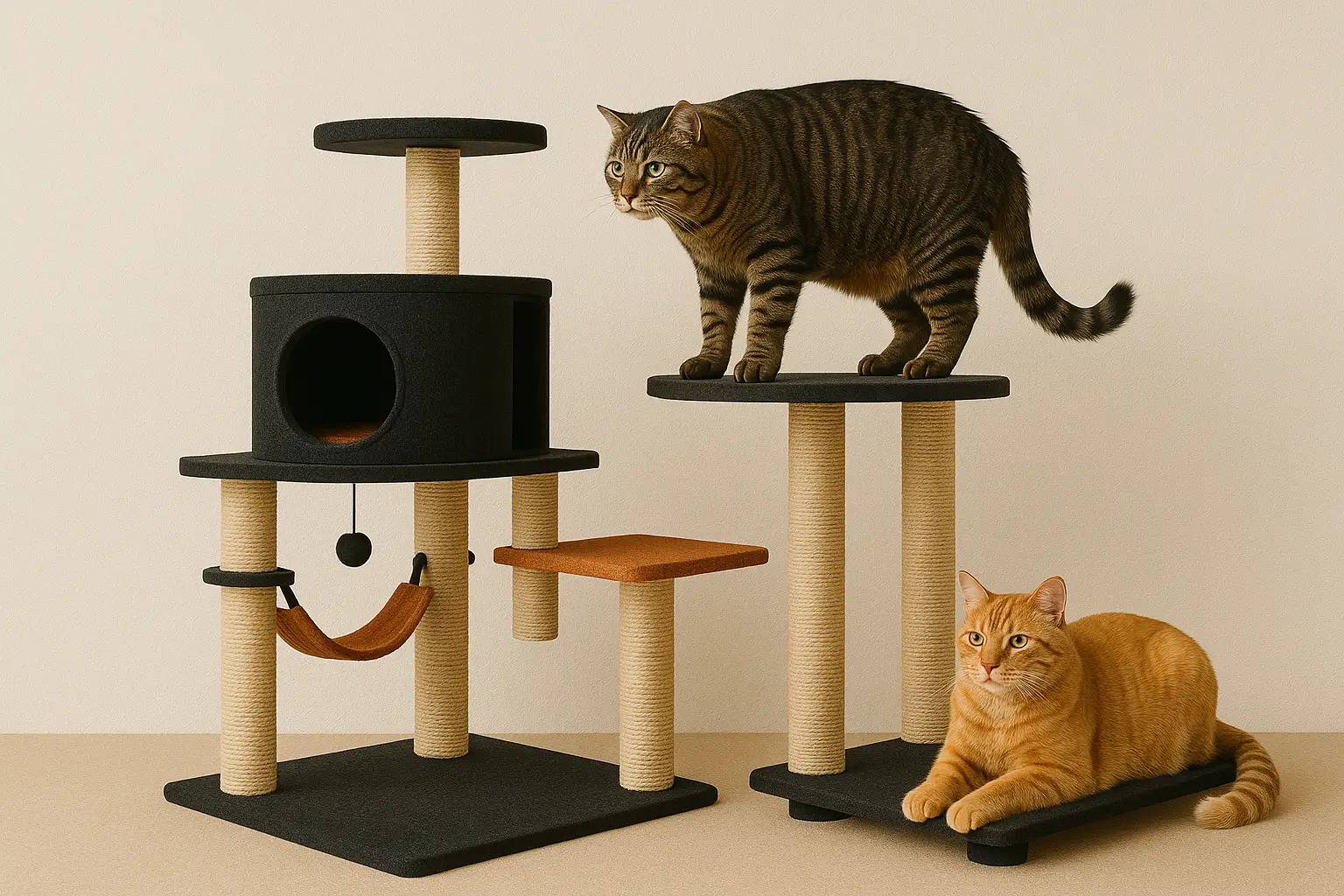
The Essential Guide to Cat Trees for Large Cats
Large cats deserve furniture that matches their magnificent size. Standard cat trees often fail to accommodate bigger breeds, leaving platforms too small, structures too wobbly, and weight limits too restrictive. Specialized cat trees for large cats solve these problems with reinforced engineering, spacious resting areas, and construction that can handle 9 kg and beyond without tipping or breaking.
If you share your home with a Maine Coon, Ragdoll, British Shorthair, Savannah, or any substantial feline, investing in a properly sized cat tree isn’t just about comfort. It’s about safety, longevity, and giving your cat the enrichment they need to thrive indoors.
Why Large Cats Need Specialized Trees
The difference between standard and large cat trees goes far beyond marketing. These specialized structures address the unique challenges that come with bigger, heavier cats.
Weight Capacity: Regular cat trees typically support 7-9 kg per platform. Large breed cats often weigh 7-11 kg, with some males reaching 14 kg or more. Trees designed for large cats feature reinforced platforms rated for 14-18 kg each, with overall structures supporting 23-32 kg total.
Platform Size: A 25 cm diameter perch might work for a petite tabby but leaves a large cat hanging over the edges or unable to lie down comfortably. Large cat trees provide platforms measuring 38-51 cm or more, giving your big cat room to stretch out fully.
Structural Stability: Heavier cats create more momentum when jumping and climbing. Without a wide, heavy base and thick support posts, the entire structure becomes dangerous. Quality large cat trees use thicker wood, reinforced joints, and bases that prevent tipping even during enthusiastic play.
Condo Dimensions: Enclosed hideaways on standard trees can trap larger cats or force them into uncomfortable positions. Trees for big cats feature spacious condos with wide entry holes and ample interior space.
Benefits of Providing the Right Cat Tree
When you give your large cat a properly sized tree, you’re investing in their physical and mental wellbeing.
Safe Vertical Space: Large cats still have climbing instincts. Denying them vertical territory because standard furniture can’t support them leads to frustration and potential injuries from attempting to climb inappropriate surfaces. A sturdy tree satisfies this need safely.
Joint Health: Jumping down from high furniture puts stress on joints, particularly problematic for heavy cats prone to arthritis or hip issues. Trees designed for large cats often include gradual steps or closer platform spacing, reducing impact on joints.
Proper Scratching: Thick, tall scratching posts covered in durable sisal give large cats the resistance they need when scratching. Their powerful claws and strength require more substantial posts than smaller cats need.
Confidence and Comfort: Cats know when furniture feels unstable. A wobbly tree will be ignored, but a rock-solid structure becomes a beloved retreat. Large cats deserve the confidence of knowing their tree won’t collapse.
Territory Management: In multi-cat homes, large cats need their own space. A tree scaled to their size ensures they aren’t displaced by smaller, more agile cats who claim standard-sized perches first.
Key Features to Look for in Large Cat Trees
Not all trees marketed for large cats actually meet the requirements. Here’s what truly matters when shopping.
Base Dimensions and Weight: The base should be at least 61 cm square, preferably larger. Heavy bases (18+ kg for the complete tree) provide essential stability. Some manufacturers add weight plates or recommend anchoring to walls for extra security.
Post Thickness: Look for posts at least 10 cm in diameter, made from solid wood or thick particle board, not hollow cardboard tubes. These resist bending and provide adequate surface area for scratching.
Platform Specifications: Each resting platform should measure at least 38×38 cm, with 46×46 cm or larger being ideal. Check stated weight limits for individual platforms, not just the overall tree.
Quality Materials: Premium carpet or plush fabric should be thick and tightly attached. Sisal rope must be tightly wound with no gaps. Avoid synthetic materials that shed easily or create static.
Height Considerations: While tall trees are impressive, stability matters more. A 1.5 metre tree with a solid base serves your cat better than a 2.1 metre tree that wobbles. For Cyprus homes with standard ceiling heights, 1.5-1.8 metres typically provides excellent climbing without structural compromise.
Condo Size: Entry holes should be at least 20-25 cm in diameter. Interior space needs to accommodate a large cat lying down and turning around comfortably.
Choosing the Perfect Tree for Your Large Cat
Your specific situation determines the ideal tree for your home and cat.
Measure Your Cat: Weigh your cat and add 2-4.5 kg to account for growth or future weight. Measure their length when stretched out. This helps you assess whether platforms and condos will actually fit.
Assess Activity Level: Young, active large cats need multiple levels and play features. Senior or less active cats benefit from fewer, larger platforms with easier access.
Consider Your Space: Measure your available area. Remember that large cat trees have bigger footprints, typically 76×76 cm minimum. Account for space cats need to jump onto and off the tree.
Multi-Cat Households: If you have multiple large cats or a mix of sizes, choose trees with varied platform heights and multiple resting spots. Calculate at least two comfortable spots per cat.
Indoor Climate: Cyprus enjoys pleasant weather year-round, but indoor temperatures still matter. Plush trees provide warmth in air-conditioned spaces during summer, while some cats prefer simpler designs that don’t trap heat.
Maintaining Your Large Cat Tree
Proper care ensures your investment lasts years despite heavy use.
Weekly Cleaning: Vacuum all surfaces to remove fur, dust, and dander. Large cats shed substantially, especially long-haired breeds, making regular cleaning essential.
Monthly Inspections: Check all screws, bolts, and connections. The weight and force of large cats gradually loosens hardware. Tighten everything during monthly checks to maintain stability.
Sisal Maintenance: Large cats shred sisal faster than smaller cats. When posts become too worn, replace them or wrap fresh sisal rope yourself. This prevents your cat from seeking alternative scratching surfaces.
Platform Rotation: If your tree allows, occasionally rotate which platforms you enhance with catnip or treats. This keeps your cat interested and prevents excessive wear on favourite spots.
Deep Cleaning: Every few months, use pet-safe fabric cleaner on carpeted areas. Spot treat any accidents immediately to prevent odours from setting.
Installation and Placement Tips
Where and how you set up the tree significantly impacts your cat’s usage.
Choose locations with solid, level flooring. Carpeted areas provide natural grip, but hard floors work well with properly weighted bases. Avoid placing trees on uneven surfaces that compromise stability.
Position near windows where possible. Large cats enjoy watching outdoor activity, and the natural light in Cyprus homes makes window spots particularly appealing.
Ensure adequate ceiling clearance. Tall trees need several centimetres of space above the highest perch to prevent your cat from hitting the ceiling when jumping.
For extra security with very tall or top-heavy trees, use the provided wall anchors. This simple step prevents tipping if multiple cats use the tree simultaneously or if your cat launches off enthusiastically.
Frequently Asked Questions
What weight capacity should I look for in cat trees for large cats?
Individual platforms should support at least 14 kg, with total tree capacity of 23-32 kg. For cats over 9 kg, choose trees specifically rated for their weight plus a safety margin. Always check manufacturer specifications rather than relying on marketing terms like “large cat tree.”
Are Maine Coon cat trees different from other large cat trees?
Maine Coons are among the largest domestic cats, often reaching 11 kg. Trees marketed for Maine Coons typically feature the most robust construction available: thickest posts, widest platforms, and highest weight ratings. These work excellently for any large breed, not just Maine Coons.
How much space do I need for a large cat tree?
Expect a footprint of at least 76×76 cm, with some reaching 102×102 cm. Add 30-46 cm on all sides for jump clearance. Measure your space carefully, as large cat trees cannot be squeezed into corners designed for standard furniture.
Can I use a large cat tree for multiple smaller cats?
Absolutely. Trees built for large cats easily accommodate several smaller cats. The extra-sturdy construction and spacious platforms mean multiple cats can use different levels simultaneously without stability issues. This makes them excellent for multi-cat households of any size mix.
Do large cat trees last longer than standard trees?
Generally yes, due to superior construction quality. The reinforced materials, thicker posts, and stronger joints withstand heavy use better than standard trees. With proper maintenance, expect 7-10 years of use, compared to 3-5 years for budget standard trees.
My large cat ignores the tree. How do I encourage use?
Place high-value treats on various levels. Use catnip to make platforms appealing. Position the tree where your family spends time, as cats want to be near their people. Ensure the tree doesn’t wobble, which discourages confident use. Some cats need weeks to fully explore and claim their tree.
Should I choose a tall tree or a wide tree for my large cat?
Prioritize width and stability over height. A wide, stable tree with 4-5 levels serves your cat better than a towering but wobbly structure. Large cats create significant force when jumping, so a stable base matters more than impressive height.
What’s the best material for scratching posts on large cat trees?
Natural sisal rope remains the gold standard. It’s durable, provides excellent texture, and withstands the powerful scratching of large cats. Look for tightly wound sisal on thick posts. Avoid carpet-covered posts, which don’t satisfy scratching instincts as well and wear out faster.
Do I need to anchor large cat trees to the wall?
It depends on the specific tree and your cat. Trees with wide, heavy bases often don’t require anchoring. However, if your tree is particularly tall (over 1.8 metres), has a smaller footprint relative to its height, or your cat is extremely active, wall anchoring provides extra security and peace of mind.