
Adjustable Decline Benches
Transform your home gym with one of these adjustable decline benches designed for serious strength training and core development. Whether you’re targeting your lower chest, building powerful abs, or adding variety to your workout routine, these versatile benches provide the stability and adjustability you need. Perfect for fitness enthusiasts across Cyprus looking to elevate their training without compromising on space or quality, our selection offers professional-grade equipment that fits seamlessly into any home or commercial gym setup.
Showing the single result
-
-31%IN STOCK
 IN STOCK
Weight Benches, Home Gym Equipment
Original price was: 129,99 €.89,99 €Current price is: 89,99 €. Add to basket
Showing the single result
Build Strength from Every Angle
Training your body effectively requires more than just standard flat exercises. An adjustable decline bench opens up a complete new dimension to your strength training routine, allowing you to target muscle groups from angles that flat benches simply can’t reach. From sculpting a powerful lower chest to developing rock-solid abs, these specialized benches have become essential equipment for anyone serious about their fitness journey.
For gym enthusiasts in Cyprus, having versatile equipment at home means you can maintain your training consistency regardless of your schedule or the summer heat that might make outdoor workouts challenging. With the right decline bench, you bring professional gym capabilities right into your personal space.
Understanding Adjustable Decline Benches
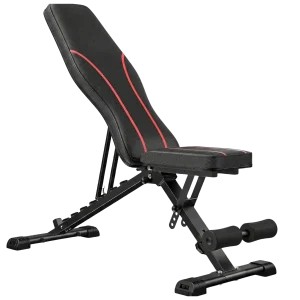
An adjustable decline bench is a specialized piece of fitness equipment designed with an angled platform that positions your head lower than your hips during exercise. Unlike fixed decline benches, adjustable models give you the flexibility to change the angle of decline, typically ranging from flat (0 degrees) to steep decline positions (usually -20 to -40 degrees).
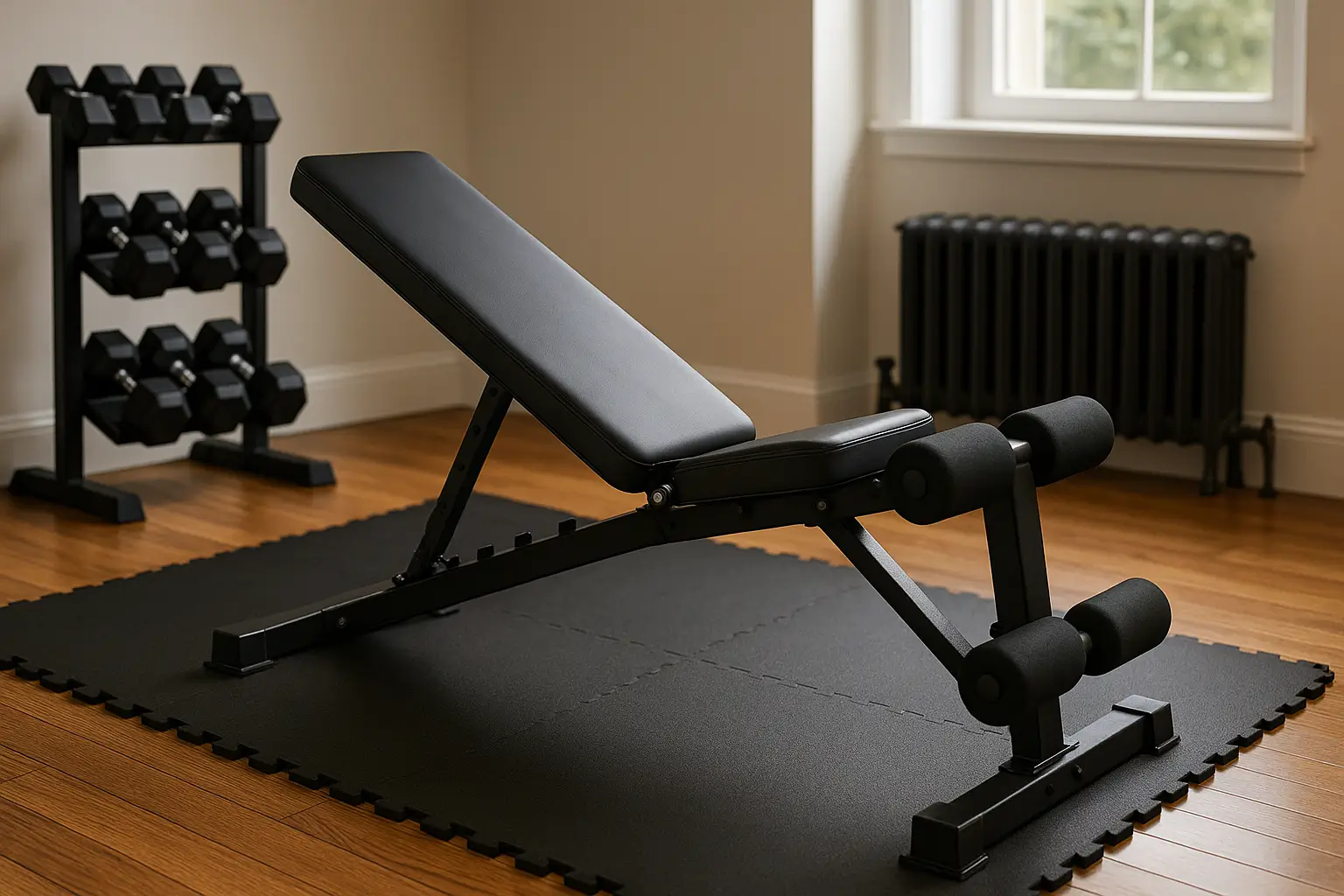
This adjustability is what sets these benches apart. You’re not locked into a single angle – instead, you can customize your workout intensity and target different muscle fibers by making simple adjustments. Most quality benches feature secure locking mechanisms that keep the bench stable at your chosen angle, along with padded ankle rollers or leg supports that keep you safely in position during intense exercises.
The construction typically includes a heavy-duty steel frame, high-density padding for comfort during extended workouts, and non-slip feet to keep the bench stable on various floor surfaces. Many modern designs also fold for storage, making them ideal for home gyms where space is at a premium.
Key Benefits of Training with a Decline Bench
Lower Chest Development
When you perform exercises on a decline angle, particularly decline bench presses, you shift the emphasis to your lower pectoral muscles. This lower chest region is often underdeveloped with standard flat bench work alone. The decline angle changes the biomechanics of the movement, creating a fuller, more complete chest appearance.
Superior Core Strengthening
Decline sit-ups and crunches performed on an adjustable decline bench are significantly more challenging than their flat-surface counterparts. The steeper the angle, the more resistance you face from gravity, leading to greater core muscle activation. This makes decline training one of the most effective ways to build genuine functional core strength.
Versatility for Complete Workouts
Beyond chest and abs, these benches support dozens of exercises. You can perform decline dumbbell flies, decline skull crushers for triceps, decline dumbbell presses with various grips, and even use the bench for creative variations of rows and other exercises. This versatility means one piece of equipment serves multiple training goals.
Space-Efficient Home Training
For those in Cyprus managing limited space in apartments or villas, an adjustable decline bench offers exceptional value. Rather than needing separate benches for flat, incline, and decline work, many adjustable models combine all three functions in one compact unit that can be folded away when not in use.
Choosing the Right Adjustable Decline Bench
Weight Capacity and Build Quality
The first consideration should always be weight capacity. Look for benches rated well above your body weight plus the weight you’ll be lifting. A quality adjustable decline bench should support at least 300-400 kg total load. Check that the frame is constructed from commercial-grade steel with reinforced welding at stress points.
The stability of the bench directly impacts your safety and performance. Wider bases with rubber-capped feet prevent wobbling during intense exercises. If you’re training in a home with tile or marble floors common in Cyprus homes, non-slip feet become even more important.
Adjustment Mechanism
Examine how the bench adjusts between angles. The best systems use pin-and-hole mechanisms with clearly marked positions, allowing you to quickly and securely lock into your desired angle. Avoid benches with complicated adjustment systems that slow down your workout flow.
Consider how many decline positions are offered. While you might think more is better, having 3-4 well-spaced decline options (plus flat and incline positions if it’s a multi-purpose bench) is usually sufficient and more practical than overly complex systems.
Padding and Comfort
You’ll be spending significant time on this equipment, so comfort matters. Look for high-density foam padding at least 5cm thick, covered in durable, sweat-resistant vinyl or leather. The padding should be firm enough to provide support but comfortable enough for extended training sessions.
The ankle support system is crucial for decline work. Padded rollers that adjust to accommodate different leg thicknesses ensure you stay secure without causing discomfort behind your ankles during inverted exercises.
Size and Storage
Measure your available space carefully before purchasing. While you need the bench extended during use, consider where you’ll store it. Many adjustable decline benches fold to a compact profile – some as narrow as 30cm wide – making them easy to slide under a bed or stand upright in a closet.
Additional Features
Some premium benches include built-in resistance band pegs, transport wheels for easy movement, or even attached weight storage. While these aren’t essential, they can add convenience to your training experience. Consider whether these extras justify any additional cost.
Maximizing Your Decline Bench Training
Proper Form and Safety
When using a decline bench, always secure your feet properly in the ankle supports before leaning back. Start with lighter weights than you’d use on a flat bench until you’re comfortable with the different biomechanics. The decline angle changes your leverage and can feel awkward initially.